PRIDE Partners of Progress | Nissan USA - Ad Analysis

AI Editor notes
Straight from the gut!!
“This feels like a standard, safe Pride month execution. It ticks all the boxes: real people, talk of 'chosen family,' sunny visuals. But it’s also pretty generic. You could swap the Nissan logo for Subaru, Chevy, or any other automaker aiming for this audience and it would work just as well. What does this have to do with Nissan, specifically? It feels more like a required gesture than a deeply-held brand conviction.”
Quick Summary
Nissan is using Pride month to align itself with the values of acceptance and chosen family, aiming to build brand affinity with the LGBTQ+ community and its allies by showing up as a supporter, not just a seller. The entire strategy is to borrow the emotional equity of the 'chosen family' concept and attach it to the brand, using their cars as the vehicles that literally and figuratively bring these families together.
Executive Summary
Nissan's 'Partners of Progress' is a textbook example of modern corporate social responsibility advertising, specifically tailored for Pride Month. The ad operates less as a commercial for cars and more as a 30-second piece of brand-building content designed to signal allyship. Its core strategy is to associate the Nissan brand with the powerful and deeply personal concept of 'chosen family' within the LGBTQ+ community. By doing so, Nissan aims to generate goodwill and emotional resonance, positioning itself as a brand that understands and supports this demographic.
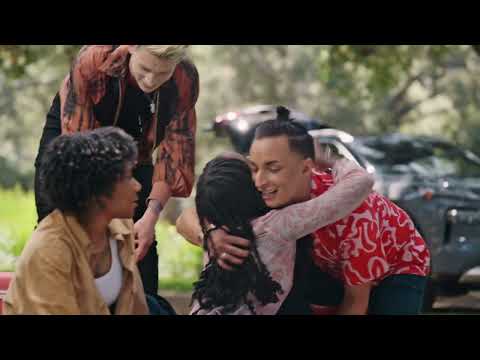
The creative approach is a mini-documentary or testimonial montage. It opens by framing the entire ad as an answer to a question: 'We asked people in the LGBTQ+ community about the impact of their chosen family.' [4] This setup immediately positions Nissan as a listener and an amplifier of community voices, rather than an authority dictating a message. The execution unfolds with a series of short, authentic-sounding vignettes where unseen individuals define what chosen family and equality mean to them. These soundbites—'love,' 'no judgment,' 'acceptance'—are positive, universal, and emotionally resonant. [4] Visually, the ad is drenched in warm, sunny light, depicting diverse friends loading up their Nissans (a Kicks and a Rogue) for a joyful picnic in the park. The cars are presented as the enablers of these community gatherings, the vessels that physically connect the chosen family. The ad culminates with the group declaring, 'I'm living my truth with my chosen family,' tying the personal affirmations directly back to the central theme. [4] The final call to action, 'Visit NissanUSA.com/pride,' reinforces that this is part of a larger corporate initiative, inviting the audience to engage further with the brand's commitment. [4]
From a debrief perspective, the team successfully created an affirming and inclusive piece of content that avoids controversy. The choice to use unscripted-sounding testimonials from real people adds a layer of authenticity that a traditional, actor-driven spot might lack. However, the debrief should also acknowledge the ad's primary vulnerability: its lack of brand distinction. The creative concept is so broadly applicable to Pride messaging that it could have been produced by almost any competitor in the automotive space, or even in other industries. While the ad effectively communicates a supportive message, it does little to build a unique identity for Nissan itself. The key learning is that while safety and affirmation are important in this space, the next step is to find a way to tie these universal values back to something uniquely ownable by the Nissan brand.
Theme Keywords
Brand Position
The brand that enables and supports your journey toward living authentically with your community.
Brand Archetype
The Everyman
Creative Game Plan
Associate Nissan with the joy and support of the LGBTQ+ community's 'chosen family' to build brand affinity.
Diagnosis: Issues & Solutions
Primary Issue: Strategic Sense
The Problem:
The biggest missed opportunity is the lack of a distinct brand link. The ad successfully communicates a pro-LGBTQ+ message but fails to answer the question 'Why Nissan?' The creative could be used by any other car brand, making it feel more like a category obligation than a unique brand statement.
The Solution:
Future campaigns should connect the message of progress or chosen family to a specific Nissan brand pillar. For example, connect 'progress' to Nissan's history of innovation (like the EV Leaf) or tie the idea of a 'thrilling journey' not just to driving, but to the personal journey of living authentically.
Secondary Issue: Emotional Connection
The Problem:
While the ad is warm and positive, the emotion feels broad and somewhat superficial. By using quick soundbites from many people, it doesn't allow the viewer to connect deeply with any single story or individual.
The Solution:
Instead of a montage, focus the next execution on a single, compelling story of a chosen family. A 30-second micro-story with a beginning, middle, and end would create a more potent and memorable emotional impact than the current collection of pleasant but fleeting moments.