Goodnight Light: Overcoming the Fear of the Dark - Ad Analysis

AI Editor notes
Straight from the gut!!
“Energy ads usually put everyone straight to sleep with boring green turbine footage. This is totally different. Tying kilowatt conservation to kids demanding the hallway light stay on is sharp behavioral strategy. The glowing book gives the brand something physical and delightful to anchor the message on, rather than preaching about efficiency.”
Quick Summary
Plenitude bypasses dry corporate sustainability messaging by solving a universal household pain point: reframing nighttime darkness from a childhood fear into an enchanting, glow-in-the-dark storytelling ritual that naturally reduces energy consumption.
Executive Summary
The Core Insight: Energy providers consistently face the same marketing dilemma: energy is an invisible utility, and sustainability lectures rarely change household behavior. Plenitude and TBWA\Italia identified a micro-behavioral habit shared by millions of families across Europe: leaving nightlights, hallway fixtures, and bedroom lamps burning all night because young children are terrified of the dark. Instead of guilt-tripping parents about baseline electricity waste, the campaign identifies a clean emotional truth—children don't need lectures on conservation; they need darkness to feel safe.
The Execution: The film uses a Problem-Solution narrative structure built in three clear beats.
-
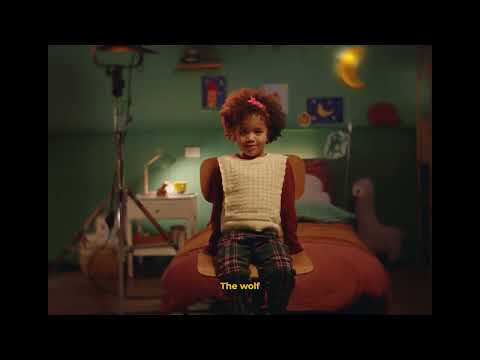
The Problem Setup (0:00–0:32): The ad opens on a soundstage bedroom where a diverse group of young children are interviewed on a central stool. They list standard childhood phobias—sharks, dinosaurs, medical visits, and predatory animals—before coalescing around the universal consensus: fear of the night. The documentary realism keeps the emotion grounded and relatable.
-
The Turn (0:33–0:46): The production lights abruptly cut, plunging the frame into darkness. In that immediate tension, 'Ombro'—a cuddly green shadow monster—is introduced as a playful guide who reframes the dark from an empty threat to an active canvas for magic.
-
The Solution & Payoff (0:47–1:01): The commercial demonstrates the tangible innovation: a children's book silkscreened with luminescent pigment that only reveals its story and artwork once lights are extinguished. We see children captivated in bed, following along with the soft glow, and happily jumping under the covers in the dark. The final frame connects this bedtime ritual to Plenitude's broader brand purpose: 'Learn how to use less energy and use it better'.
The Debrief: The lesson here is about using product invention to make brand purpose tangible. Rather than producing another glossy commercial about renewable infrastructure, Plenitude engineered a functional tool that embeds the brand into a family's daily bedtime routine. By providing a physical, interactive answer to a real psychological friction, the campaign earns attention and drives brand warmth far more effectively than traditional corporate social responsibility advertising.
Theme Keywords
Brand Position
The forward-thinking energy partner that helps households consume less energy through smart, human-centered solutions.
Brand Archetype
Caregiver / Magician (Empathetic, Inventive, Gentle)
Creative Game Plan
Turn bedtime electricity conservation into an interactive children's reward by creating a storybook that only functions in the dark.
Diagnosis: Issues & Solutions
Primary Issue: Clarity of "What's Next?"
The Problem:
The film fails to clarify how a consumer can actually obtain the physical book, leaving viewers wondering whether it is a retail purchase, a free customer perk, or an exclusive giveaway.
The Solution:
Add a brief on-screen indicator or voiceover cue explaining access (e.g., 'Claim your free copy at Plenitude stores or download the interactive story online').
Secondary Issue: Emotional Connection
The Problem:
The opening interview sequence uses a conventional children-on-a-stool trope that delays the narrative hook and unique product reveal for over 30 seconds.
The Solution:
Tighten the first act to 15 seconds, creating more room to showcase the parent-child bedtime reading dynamic and the book's physical transformation.