Plato's Closet: Back to School Simulator - Ad Analysis

AI Editor notes
Straight from the gut!!
“This is clever and disarmingly wholesome. Stunt ads often reek of manufactured drama, but the reaction on these kids' faces when an entire hallway hypes their outfit is genuine. It taps straight into that raw Gen Z fear of being judged and solves it with supportive peer affirmation. It makes secondhand clothes feel triumphant rather than compromise shopping.”
Quick Summary
Plato's Closet tackles the acute social anxiety of the first day of high school by creating a literal validation chamber that turns clothes shopping into an immediate boost in self-confidence.
Executive Summary
Back-to-school fashion advertising has historically relied on polished montages of effortlessly stylish teenagers walking down sunny school corridors. The underlying human reality, however, is that picking a first-day outfit is an agonizing exercise in risk assessment for most adolescents. Plato's Closet and agency Tombras bypass conventional retail tropes by anchoring their campaign in this simple psychological truth: teens do not just buy clothes for school; they buy social armor and peer acceptance.
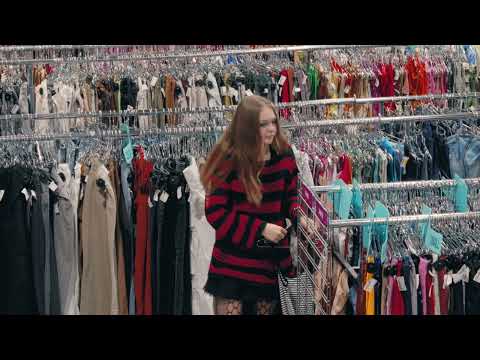
The execution follows an effective Setup–Turn–Payoff experiential narrative structure. In the setup (0:00–0:22), the film establishes the low-stakes environment of a Plato's Closet store, where shoppers encounter clothes that stretch their comfort zone but are hesitant to commit. The turn occurs at 0:43 when shoppers are directed toward a mysterious door labeled 'Back to School Simulator.' Stepping across the threshold reveals a fully constructed high school hallway populated by peers. The payoff unfolds from 0:49 through 1:40, as the hallway erupts in genuine compliments, validating each shopper's stylistic choices and noticeably transforming their body language from tentative self-consciousness to energetic confidence.
The strategic lesson here is how experiential marketing can reframe category perception. For resale and thrift retail, the historical consumer hurdle has been the stigma of buying used garments. By shifting the conversation away from discounts and sustainability and onto personal confidence and peer validation, Plato's Closet elevates its merchandise from 'budget secondhand' to curated, expressive fashion. The ad demonstrates that when brands address the emotional stakes behind a purchase rather than just the transactional mechanics, they build lasting brand equity during critical seasonal buying cycles.
Theme Keywords
Brand Position
The accessible resale store where young people discover affordable, on-trend style that gives them the confidence to be themselves.
Brand Archetype
The Everyman / Companion (Supportive, Accessible, Empathetic)
Creative Game Plan
Construct a live-action school hallway simulator inside a thrift store to offer immediate social validation for back-to-school apparel choices.
Diagnosis: Issues & Solutions
Primary Issue: Strategic Sense
The Problem:
The film neglects to mention the core functional advantages of Plato's Closet—specifically price point, brand-name inventory, and trade-in economics.
The Solution:
Introduce subtle graphic callouts or brief dialogue acknowledging that these hype-worthy looks cost a fraction of traditional mall retail.
Secondary Issue: Clarity of 'What's Next?'
The Problem:
The closing call to action relies on a generic website URL without providing a compelling promotional incentive or digital engagement mechanism for viewers.
The Solution:
Pair the store locator with an interactive social challenge, such as a #FitCheck tag on TikTok or a limited-time student discount code.