Persil: Free the kids - Ad Analysis

AI Editor notes
Straight from the gut!!
“This is a gutsy, intelligent piece of work. Using prisoners to talk about childhood freedom is a massive creative gamble that pays off spectacularly. The setup is so convincing you forget you're watching an ad. The reveal is a genuine gut-punch. It doesn't sell detergent; it sells a philosophy, and in doing so, makes the brand feel vital and important. This is how a market leader should behave.”
Quick Summary
By contrasting the guaranteed two hours of outdoor time for maximum-security prisoners with the single hour most children get, Persil delivers a shocking, unforgettable message: outdoor play isn't just a fun activity, it's a fundamental human need we are denying our kids. This powerfully elevates the brand's 'Dirt is Good' philosophy from a simple product benefit to an urgent social mission.
Executive Summary
Persil’s 'Free the Kids' is a landmark piece of brand-purpose advertising that operates on a simple, devastating insight: in our quest to keep children safe, we have inadvertently made their lives more confined than those of maximum-security prisoners. This film doesn't sell laundry detergent; it sells a philosophy. By taking a significant creative risk, the campaign elevates Persil from a household cleaning product to a cultural advocate for childhood itself.
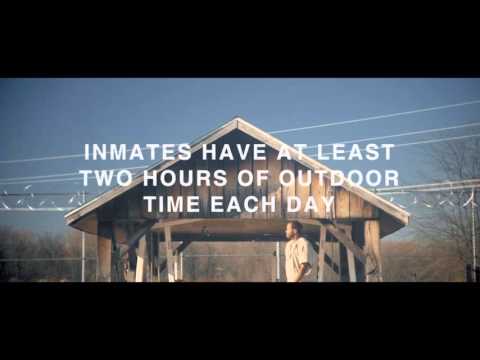
The execution uses a classic 'Setup-Turn-Payoff' structure, executed with documentary-level precision. The Setup (0:00-1:03) immerses us in the grim reality of Wabash Correctional Facility. [6, 12] Through the authentic testimony of real inmates, we are led to believe this is a film about prison reform. We feel empathy for these men who cherish their two hours of daily outdoor time as a vital lifeline. This patient world-building is crucial; it establishes the value of something we take for granted—time outside. The Turn (1:04-1:57) is a moment of pure strategic brilliance. An interviewer poses a hypothetical: what if their time was cut to one hour? The inmates' reactions of anger and disbelief prime the audience. Then, the interviewer delivers the pivotal line: 'Do you know who does have only one hour outdoors per day? Children.' This is the twist that re-contextualizes the entire film. The camera lingers on the prisoners' shocked faces, allowing their genuine reactions to validate the gravity of the situation. The Payoff (1:58-2:38) drives the point home with a stark title card: 'On average, children now spend less time outdoors than a prison inmate.' The sound of a slamming cell door creates a powerful, chilling metaphor. The final shot transitions from the bleak prison to a sun-drenched yard with a tire swing, connecting the abstract problem to the solution Persil advocates for: unstructured outdoor play. The '#dirtisgood' tagline, once a simple marketing slogan, is now imbued with profound meaning. [2, 9]
The debrief from this campaign is clear: true brand purpose requires courage. Persil and MullenLowe London took a massive risk by associating their family-friendly brand with a maximum-security prison. [1, 12] However, this risk is precisely what gives the campaign its power. It breaks through the clutter not with a louder jingle or a brighter graphic, but with a genuinely shocking and thought-provoking idea. It proves that a brand in even the most mundane of categories can lead a meaningful cultural conversation if it is willing to ground its message in a powerful, uncomfortable human truth.
Theme Keywords
Brand Position
Persil is the brand that champions real-world childhood experiences, believing that dirt is the mark of a life fully lived.
Brand Archetype
The Caregiver
Creative Game Plan
Juxtapose the universally understood lack of freedom in a prison with the unrecognized confinement of modern children to create a shocking cultural statement about the importance of outdoor play.
Diagnosis: Issues & Solutions
Primary Issue: Clarity of "What's Next?"
The Problem:
The campaign's biggest missed opportunity is its passive call-to-action. After delivering a powerful emotional blow, the ad directs viewers to 'dirtisgood.com' without a clear promise of what they will find or do there. This soft landing risks squandering the potent motivation the film creates.
The Solution:
Strengthen the CTA with a tangible offer. Instead of just a URL, use a more directive line like, 'Find 50 ways to get your kids outside at dirtisgood.com' or 'Join the movement and pledge an extra hour of outdoor play'. This gives motivated parents a clear, immediate action to take.
Secondary Issue: Strategic Sense
The Problem:
The ad's long format (2:38) is perfect for generating PR and for viewers who are already engaged, but it's a liability in a media environment dominated by skippable ads. A significant portion of the audience may never reach the crucial reveal and brand payoff.
The Solution:
Develop a suite of shorter assets (6 and 15 seconds) that leverage the core shocking statistic ('Did you know prisoners get more outdoor time than kids?') to drive curiosity and traffic to the main hero film, ensuring the core message lands even with shorter attention spans.
Additional Notes
Related Links
Credits
Share this Analysis
More Persil ad breakdowns
- Persil: Breakdancing girlPersil
- Persil presents “Monster Stains” - The Art of Stain RemovalPersil
- New Surf Excel Matic Express- Expert Clean now Express!Surf Excel
- Tide Loads of Hope x Ronald McDonald House CanadaTide
- Tide | Laundry QuestionsTide
- Lit Day ft Nancy Isime - Viva Commercial 2023Viva Plus
- Tide | Loads of HopeTide
- OMO Car wash commercialOMO