Perfect Day By BBC Three - Ad Analysis

AI Editor notes
Straight from the gut!!
“This is a gutsy move. Relying on a 20-year-old reference is risky for a youth brand, but the execution makes it work. The casting feels incredibly real because it *is* real—these are people from their shows. That authenticity is the ad's saving grace. It subverts the polished, saccharine meaning of 'perfect day' and makes it about resilience and finding beauty in the grit. It feels less like an ad and more like a statement of purpose.”
Quick Summary
This is a strategically clever reboot of the BBC's own iconic 1997 'Perfect Day' promo, repurposed to relaunch the BBC Three brand. By swapping music superstars for the real, diverse, and sometimes struggling faces from its own programming, the ad powerfully argues that BBC Three is the only channel that reflects the authentic, 'perfectly imperfect' reality of modern British youth.
Executive Summary
BBC Three’s 'Perfect Day' is not just an advertisement; it's a declaration of identity. It achieves this by taking one of the most celebrated assets in the BBC's archive—the 1997 'Perfect Day' musical montage—and completely subverting its meaning to fit a new, younger, and more cynical audience. Where the original was a grand, unifying showcase of world-famous musicians, this 2018 version is an intimate, gritty, and deeply human portrait of the channel's own subjects. This is its core strategic strength: it uses the shell of a nostalgic classic to deliver a message of modern, raw authenticity.
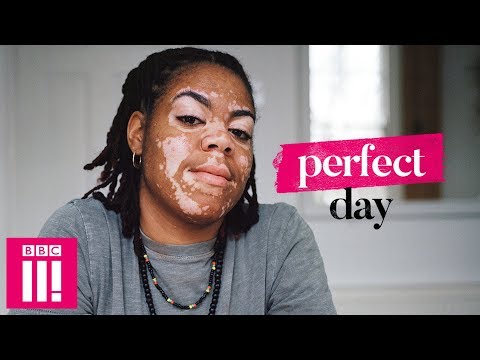
The core insight is that for today's youth, 'perfection' isn't an aspirational fantasy; it’s found in the acceptance of imperfection. The ad understands that its audience is wary of polished, corporate messaging and instead craves representation that feels real. This insight dictates the entire execution. The use of real people from BBC Three’s documentaries and comedies—a woman with vitiligo, an amputee veteran, a burn survivor, the awkward stars of 'This Country'—lends the film an unimpeachable credibility. [4] These aren't actors playing a role; they are the very stories the channel exists to tell.
The execution is a masterclass in juxtaposition. The ad uses a Lifestyle/Aspirational montage format, but the lifestyle it presents is not one of wealth or glamour. The power comes from the friction between Lou Reed's melancholic lyrics and the visuals. A line like 'You made me forget myself' is sung by a mother who survived a fire, giving it a profound depth the original never intended. 'I thought I was someone else, someone good' is delivered by someone with their face blurred, hinting at a criminal past. This re-contextualization is the creative engine of the spot. The final, anthemic swell of the chorus over shots of kids playing basketball and lads in a takeaway shop transforms the song from a personal reflection into a collective anthem of belonging.
The debrief for any brand team watching is twofold. First, understand your heritage. The BBC knew it was sitting on a powerful, ownable asset and found a brilliant way to reactivate it. Second, authenticity is non-negotiable, especially with younger audiences. By grounding the campaign in the real people and stories from its platform, BBC Three created something that feels less like marketing and more like a mirror held up to its audience, telling them, 'We see you, in all your imperfect glory.'
Theme Keywords
Brand Position
The home of authentic, diverse, and unapologetically real stories about being young in the UK today.
Brand Archetype
The Everyman
Creative Game Plan
Reinvent an iconic piece of our own brand heritage to prove our unique understanding of modern British youth.
Diagnosis: Issues & Solutions
Primary Issue: Clarity of "What's Next?"
The Problem:
The ad does a phenomenal job of selling the BBC Three brand ethos but a poor job of selling any specific BBC Three show. A viewer is left feeling connected to the brand but has no clear idea of what to watch next on iPlayer, creating friction in the journey from awareness to consumption.
The Solution:
Strengthen the content bridge. While the film runs, use subtle, well-designed lower-third supers to identify the person and the show they're from (e.g., 'Kerry & Kurtan, This Country'). End with a rapid-fire slate of the key show titles featured, giving viewers concrete entry points.
Secondary Issue: Strategic Sense
The Problem:
The campaign's success leans heavily on the audience's familiarity with or appreciation for the 1997 original. For the core Gen Z target who may have no memory of it, the ad still works emotionally but loses a significant layer of its strategic cleverness and self-referential weight.
The Solution:
Launch a parallel social media component explicitly about the legacy. Create short-form content comparing the 1997 and 2018 versions, explaining why the BBC was remaking its own classic. This would turn the historical context into a feature, not a potential barrier, for a new generation.