Oreo x Game of Thrones Title Sequence - Ad Analysis

AI Editor notes
Straight from the gut!!
“This is a masterstroke. It's the kind of idea you wish you'd had. Instead of a lazy logo slap, they invested in world-class craft that celebrated the source material. Hiring Elastic is the key detail—it turns a clever parody into a genuine, authorized homage. [1, 2, 3] It's confident, smart, and perfectly targeted. It's not trying to be funny or playful; it's matching the epic tone of the show, which is exactly the right call.”
Quick Summary
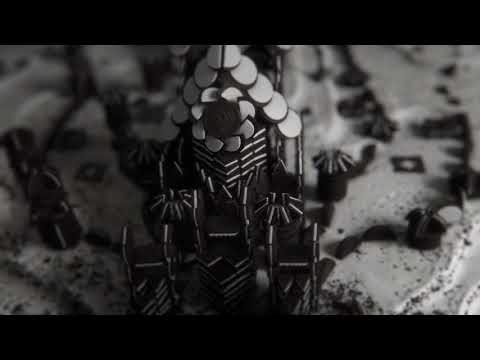
Oreo hijacked the biggest cultural conversation on the planet by not just borrowing from 'Game of Thrones,' but by adding to its lore. They hired the show's actual title sequence creators, Elastic, to meticulously rebuild the iconic opening with thousands of cookies. [1, 2, 3] This move from simple sponsorship to authentic contribution showed deep respect for the fandom, earning massive credibility and making a box of cookies feel like a collectible piece of the event.
Executive Summary
This Oreo campaign is a textbook example of how to execute a cultural partnership with intelligence and respect. At its core, the work operates on a simple human insight: when people love a piece of culture, they don't just want to consume it, they want to participate in it. Oreo's job wasn't to interrupt the 'Game of Thrones' conversation, but to become a valuable part of it.
The execution, a shot-for-shot remake of the show's iconic title sequence using cookies, is where the strategy comes to life. The hook is immediate for any fan—the unmistakable theme music. This is followed by the slow reveal that the intricate, mechanical world of Westeros is made of Oreo cookies and creme. The sheer craft is the ad's sustaining power. This isn't a quick gag; it's a meticulously built world, created with an estimated 2,750 cookies. [2] The payoff arrives with the reveal of the four limited-edition cookie designs and the final co-branded packaging. The ad effectively transforms a simple snack into a collectible artifact, a token of fandom.
Crucially, this wasn't just a clever imitation. Oreo and its agency, 360i, collaborated with Elastic, the very studio that designed the original 'Game of Thrones' opening. [1, 2, 3] This single decision elevates the entire campaign. It's no longer a parody; it's an authentic, authorized extension of the 'Game of Thrones' universe. This demonstrates a deep understanding of the audience; fans can spot a cheap cash-in from a mile away. By investing in this level of authenticity, Oreo earned the right to play in this space. The debrief for any brand team watching is clear: if you're going to enter a beloved cultural space, you must do it with respect and add value. Don't just slap your logo on it—show you're a fan, too, and invest in craft that honors the source material.
Theme Keywords
Brand Position
The world's most playfully imaginative cookie.
Brand Archetype
Innocent/Jester
Creative Game Plan
Become an unmissable part of the 'Game of Thrones' final season conversation by authentically recreating its most iconic asset using only our product.
Diagnosis: Issues & Solutions
Primary Issue: Emotional Connection
The Problem:
The ad masterfully captures the epic, serious tone of 'Game of Thrones,' but in doing so, it momentarily sacrifices Oreo's core brand personality of 'playfulness.' The ad is impressive and delightful, but it doesn't connect back to the simple, playful ritual of eating an Oreo.
The Solution:
A final, 2-second scene after the hashtag could have shown two of the embossed cookies being twisted apart. This would have provided a satisfying bookend, connecting the epic scale of the partnership back to the simple, ownable, and playful act that defines the Oreo brand.
Secondary Issue: Clarity of "What's Next?"
The Problem:
The ad does an incredible job of generating desire for the product but is slightly vague on the 'how-to-get.' It relies entirely on the viewer's motivation to find the product in stores without giving them a concrete push.
The Solution:
A simple, unobtrusive super on the final pack shot reading 'In stores for a limited time' would have introduced a touch of urgency and clarified availability, nudging motivated viewers more firmly toward a purchase.