Only switching vibes, not apps thanks to Circle to Search 💅🪄 #ad #Android #GeminiLive - Ad Analysis

AI Editor notes
Straight from the gut!!
“Is this an ad for Google, or for the show 'Call Me Bae'? [4] For the first 20 seconds, I have no idea this is for Android. The branding is dangerously late. While the celebrity tie-in is a smart way to get attention, the ad risks the viewer remembering the funny owls and Ananya Panday, but completely forgetting the product that paid for it all. It's a classic case of the creative concept potentially overshadowing the brand message.”
Quick Summary
This ad cleverly embeds a product demonstration for 'Circle to Search' into the world of a popular streaming show, using its celebrity cast and 'deleted scene' format to feel less like an ad and more like bonus content for fans. It's a targeted strike to make a tech feature culturally relevant and discoverable for a Gen Z audience without the friction of a traditional commercial.
Executive Summary
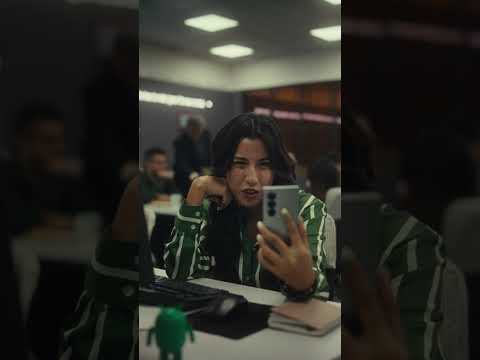
This campaign for Android's 'Circle to Search' feature is a sharp example of content-style advertising, where the lines between promotion and entertainment are deliberately blurred. By partnering with the Amazon Prime series 'Call Me Bae', Google and its agency FCB India crafted a piece that doesn't feel like a commercial. [11] Instead, it presents itself as a 'deleted scene', a piece of bonus content for the show's existing fanbase. This approach is a strategic choice designed to bypass the cynicism of a Gen Z audience that is notoriously difficult to reach with traditional advertising.
The core insight driving this work is simple: the most effective technology is that which integrates seamlessly into our lives and social interactions. The ad doesn't sell tech specs; it sells a solution to a relatable, albeit heightened, social problem: how to cheer up a friend in a creative way. The narrative follows a simple Problem-Solution format. The problem is established in the first few seconds via a video call—a friend is down, and a quick fix is needed. The solution is whimsical and over-the-top: the friends decide to dress up as owls. The 'how' becomes the critical link to the product. Ananya Panday's character, Bae, sees a video of her friends in the owl costumes and is bewildered. This moment of curiosity is the pivot point. The payoff is the demonstration of 'Circle to Search'. By simply circling the image on her screen, she instantly gets search results for the costumes. The feature is positioned not as a tool for productivity, but as a tool for social connection and spontaneity.
The execution is optimized for its intended platform: mobile social media. The vertical 9:16 aspect ratio, rapid cuts, and use of on-screen text mimic the visual language of TikTok and Instagram Reels. The casting of Ananya Panday and her co-stars provides an immediate cultural shorthand, tapping into their existing follower base. [2] However, the strategic trade-off is significant. The Android and 'Circle to Search' branding is held back until the final moments. For the majority of its runtime, the ad functions as a promotion for 'Call Me Bae'. While this increases the likelihood of being watched without being skipped, it risks poor brand attribution. The team is betting that the novelty of the feature and the cleverness of the integration will be strong enough to leave a lasting brand impression. It's a gamble that prioritizes engagement over overt branding, a modern and often necessary approach for this audience.
Theme Keywords
Brand Position
The effortlessly smart and helpful companion for modern life.
Brand Archetype
Magician
Creative Game Plan
Demonstrate the magic of Circle to Search by embedding it as the solution to a problem within a popular youth-focused entertainment property.
Diagnosis: Issues & Solutions
Primary Issue: Strategic Sense
The Problem:
The primary weakness is delayed brand attribution. By positioning itself as content from another media property ('Call Me Bae') for the first 75% of its runtime, the ad risks viewers remembering the celebrity and the gag, but not the brand (Android) or the feature (Circle to Search).
The Solution:
Integrate a subtle, non-intrusive brand cue earlier in the spot. This could be a custom Android notification sound when the friend receives the message, or a brief glimpse of the Android UI on the phone screen before the final demo, reinforcing the ecosystem without breaking the narrative.
Secondary Issue: Clarity of "What's Next?"
The Problem:
The ad effectively demonstrates what the feature does but offers no path for adoption for interested viewers who don't have a compatible device. The 'Only on Android' message is a dead end.
The Solution:
A simple, non-obtrusive text overlay or end-card element could add a soft call-to-action, such as 'Available on the latest Android phones' or linking to a landing page that lists compatible devices, converting interest into a tangible next step.