On | Tri-Kings - Ad Analysis

AI Editor notes
Straight from the gut!!
“This is a pure Red Bull strategy: ignore the product, build the myth. The animation is top-tier, but who is this for? It feels like an ad made for other ad people and hardcore triathlon fans. It's beautiful, but it might be too abstract for the casual runner who just wants to know if the shoes are comfortable. It's a flex, and a confident one, but it risks feeling cold and distant.”
Quick Summary
On positions itself as a brand for legends, moving beyond product specs to create a mythological universe around its elite athletes. By turning a real-world rivalry into an epic animated saga, the brand argues its gear isn't just for competing; it's for conquering.
Executive Summary
On’s “Tri-Kings” is less an advertisement and more a declaration of intent. It’s a challenger brand eschewing the typical product-focused or celebrity-testimonial playbook in favor of creating its own mythology. The film is a confident, if risky, piece of brand building that aims to elevate not just its sponsored athletes, but the entire brand, into a legendary space.
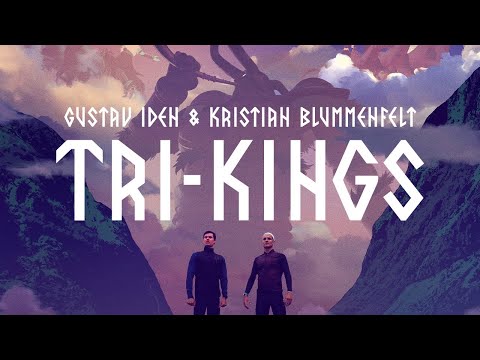
The core insight is a classic sports trope: the greatest rival is often your closest training partner. [2] The narrative takes this simple human truth and explodes it to a mythological scale. The execution uses a clear Setup-Turn-Payoff structure. The Setup grounds the story in reality with stunning live-action shots of triathletes Gustav Iden and Kristian Blummenfelt against an epic Norwegian fjord backdrop. A deep voiceover frames them as modern-day conquerors. The Turn happens at 0:48, when the narrator poses the central conflict: what happens when your best friend becomes your greatest rival? This question triggers a visual transformation from live-action to a vibrant, stylized animation. The athletes become Viking warriors, and their triathlon becomes a fantastical quest. This is the film's masterstroke, signaling that we are leaving the world of sports documentary and entering the realm of legend. The Payoff is the animated race itself—a series of beautifully rendered sequences where swimming, biking, and running are re-contextualized as battles against sea monsters, phantom charioteers, and treacherous, living landscapes. [3] The brand’s tagline, 'Run on Clouds,' is visualized literally as the athletes race across the sky. The story concludes not with a winner, but with a mutual understanding and the decision to 'go again,' perfectly teeing up their real-world journey to the Paris Olympics. [11]
The debrief for this campaign is that distinctiveness is a powerful weapon. While competitors focus on gritty realism or inspirational montages, On has carved out a unique aesthetic that feels more like a video game cutscene or an anime film than a traditional ad. [2] This approach builds significant brand cachet and appeals to an audience that values artistry and storytelling alongside performance. The risk is that in reaching for the epic, it may alienate the everyday athlete who can't see themselves in these superhuman figures. However, as a halo project designed to build brand mystique, it’s a remarkably effective and well-crafted piece of communication.
Theme Keywords
Brand Position
The high-performance athletic brand that merges Swiss engineering with sophisticated, design-led storytelling.
Brand Archetype
The Magician/Hero
Creative Game Plan
Transform our world-class triathletes into legendary Viking warriors to frame their real-world rivalry as a modern myth.
Diagnosis: Issues & Solutions
Primary Issue: Emotional Connection
The Problem:
The film's commitment to creating mythic, superhuman characters keeps the audience at arm's length. While visually stunning, it lacks the raw, relatable humanity that forges a deep emotional bond. We admire the Viking warriors, but we don't necessarily feel their struggle personally.
The Solution:
In future installments, intersperse the epic animation with brief, live-action flashes of the real athletes' faces showing strain, exhaustion, or the quiet moment of mutual respect before the race. Ground the myth in just a bit more humanity.
Secondary Issue: Clarity of "What's Next?"
The Problem:
The 'To be continued...' ending and the generic URL are effective for building anticipation but represent a missed opportunity for immediate engagement. The audience is hyped up by the film but is then dropped onto a standard landing page with no clear narrative continuation.
The Solution:
The URL should have led to an interactive experience that continues the story—a digital comic, a behind-the-scenes on the motion capture process, or exclusive interviews with the athletes about their rivalry. This would convert passive viewing into active brand exploration.