O Neend | Curse of Sleeplessness ft: @iamarunkushwah @stanboss1 @Namastejuli - Ad Analysis

AI Editor notes
Straight from the gut!!
“This is a smart play. Instead of the typical, boring shot of a smiling person on a mattress, they made a mini horror-comedy spoofing films like 'Stree'. [9] It's long for an ad, but it works as shareable content. The 'Sarphira' monster being a former 'corporate slave' is a direct, funny nod to their target audience. It’s a good example of understanding that your ad has to compete with entertainment, not just other ads.”
Quick Summary
Wakefit transforms a simple product demonstration into a memorable piece of entertainment by reframing the modern affliction of sleeplessness and back pain as a literal monster from Indian folklore. The ad cleverly positions the Wakefit orthopedic mattress not just as a comfortable product, but as the heroic, almost magical, cure to a curse plaguing its target audience of overworked millennials.
Executive Summary
Wakefit's "O Neend" campaign is a solid piece of strategic storytelling that understands a fundamental truth of modern advertising: to earn attention, you must entertain. In a category dominated by forgettable claims of comfort and technical jargon, Wakefit has opted to create a mini-movie, a horror-comedy that positions its mattress as the hero in a battle against the curse of modern work culture.
The Core Insight here is potent and painfully relatable for its target audience of Indian millennials: the relentless grind of 'hustle culture' is physically and mentally exhausting, turning us into pained, sleepless monsters. The ad brilliantly personifies this feeling in the character of 'Sarphira,' a ghost created from a 'corporate slave' who suffered from back pain and insomnia. This isn't just a monster; it's a metaphor for the audience's own suffering, making the conflict deeply personal.
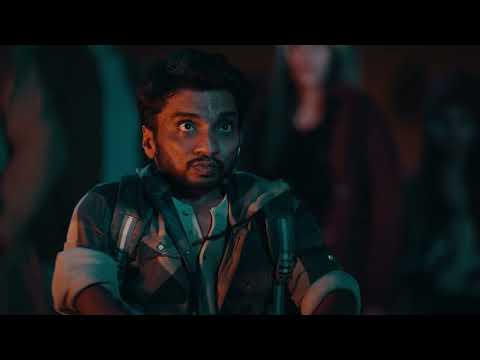
The execution follows a classic Problem-Solution narrative structure, cleverly wrapped in the tropes of a Bollywood horror-comedy. The setup is a familiar one: a campfire tale that establishes the stakes and introduces the monster, Sarphira (0:07-0:47). The problem is externalized—it’s not just 'your' back pain, it's a village-wide curse. The turn happens when the hero, played by influencer Arun Kushwah, reveals the solution is not to fight the monster, but to soothe it (1:27). This is where the ad lands its strategic masterstroke. The Wakefit Orthopedic Mattress is introduced not as a piece of furniture, but as a legendary artifact, 'The Messiah' for the spine (1:34). The payoff is the humorous and satisfying resolution where the tormented monster lies on the mattress and is immediately lulled to sleep, breaking the curse (2:10-2:18). This visual serves as an effective, if exaggerated, product demo.
The debrief for the team that created this is largely positive. They successfully identified a strong cultural insight and paired it with a distinctive creative format that breaks category conventions. The use of popular digital influencers ensures it connects with its intended online audience. The only significant missed opportunity is the lack of a stronger commercial hook at the end. After investing 2.5 minutes in an engaging story, the brand could have provided a clearer path to purchase. However, as a pure brand-building exercise designed for memorability and organic social sharing, the campaign is highly effective. It makes the brand feel clever, culturally aware, and empathetic to the very real pains of its customers.
Theme Keywords
Brand Position
The empathetic problem-solver that offers restful sleep as the antidote to the pains of modern life.
Brand Archetype
Hero
Creative Game Plan
Personify the pain of modern work-induced sleeplessness as a monster from Indian folklore, and position the mattress as the heroic solution that breaks the curse.
Diagnosis: Issues & Solutions
Primary Issue: Clarity of "What's Next?"
The Problem:
The ad does a fantastic job of building a narrative and solving the story's problem, but it fails to give the engaged viewer a clear, immediate action to take. The film ends, and the spell is broken, but there's no nudge towards a website, a special offer, or a call to 'end your own curse'.
The Solution:
Incorporate a simple, non-intrusive end card or on-screen text in the final 5 seconds. A line like 'End your curse. Visit Wakefit.co' or a QR code would bridge the gap between entertainment and commerce without undermining the creative.
Secondary Issue: Strategic Sense
The Problem:
The ad's runtime of 2:37 makes it an excellent piece for organic YouTube or social media, but it's completely unsuited for broader, high-reach platforms like television or as a standard pre-roll ad. This limits its audience to those who are already actively engaged online.
The Solution:
Create shorter, 15 and 30-second cutdowns that focus on the core conflict and resolution (Sarphira appears -> mattress is presented -> monster sleeps). These could be used in paid media to amplify the campaign's reach and drive traffic to the main long-form video.