NTUC Income – Future You Kicks You (30s) - Ad Analysis

AI Editor notes
Straight from the gut!!
“Well, you can't say it's boring. This is the kind of ad that makes you sit up straight. It’s aggressive, and frankly, a little weird. Having your future self beat you up in a department store is a bold, almost unhinged, choice for an insurance company. But in a sea of feel-good family montages, it’s impossible to ignore. It gets the point across with the subtlety of a sledgehammer, which, in this case, actually works.”
Quick Summary
By literally personifying the abstract phrase 'kick yourself later,' this ad transforms the distant, vague consequence of poor financial planning into an immediate, memorable, and darkly humorous physical assault. It breaks through the category's typically boring or sentimental messaging with a jolt of unexpected, slapstick violence, making the need to save for the future feel tangible and urgent.
Executive Summary
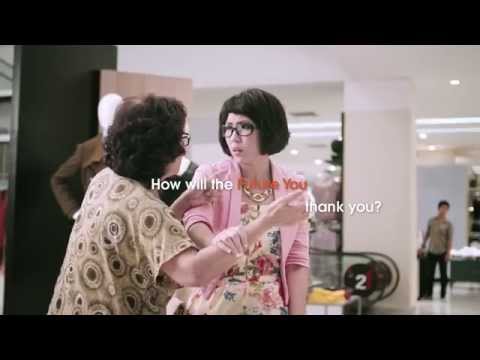
This NTUC Income spot from BBH Singapore is a masterclass in making an abstract concept brutally concrete. The core challenge for any financial services brand, especially when targeting younger consumers, is overcoming inertia. The future is distant; the desire for a new handbag is immediate. This ad doesn't try to reason with the viewer or show them a glossy, aspirational future. Instead, it weaponizes a common idiom—'I could just kick myself'—and brings it to life with alarming, comedic force.
The Core Insight here is that we are our own worst enemies when it comes to long-term planning. We know what we should do, but our present self often sabotages our future self for immediate gratification. The ad cleverly frames this internal conflict as an external one, staging a literal fight between the impulsive present and the resentful future.
The execution follows a classic Setup-Turn-Payoff structure. The Setup is a familiar scene: a young woman shopping, bathed in the bright, clean aesthetic of modern retail. It feels like any other lifestyle ad. The Turn is the arrival of her older self. The shift in tone is immediate and jarring. This isn't a wise, benevolent guide from the future; it's an angry, broke, and violent version of herself, weighed down by what looks like medical bills. The Payoff is the physical altercation, which is played for slapstick humor but carries a threatening undertone. The reveal of the matching tattoos is a smart, quick way to confirm the connection without dialogue. The final voiceover, 'How will the Future You thank you?', reframes the violence as a form of 'thanks,' a darkly ironic twist that cements the core message. The tagline 'made different' feels earned; this is genuinely a different way to advertise insurance.
The debrief for the team that created this should be centered on the power of creative risk in a conservative category. They successfully gambled that a humorous, high-concept idea would be more effective than another earnest, forgettable spot about retirement. They proved that you can talk about a serious subject without being somber, and that a jolt of surprise is more powerful than a gentle reminder. The key learning is that when you have a simple, universal human insight, you can afford to execute it in a bold, unconventional way.
Theme Keywords
Brand Position
The refreshingly direct and honest financial partner that tells you the hard truths you need to hear.
Brand Archetype
The Sage, speaking with the disruptive voice of the Jester.
Creative Game Plan
We will visualize the abstract pain of future regret as a literal, physical, and humorous assault to shock young people into considering financial planning now.
Diagnosis: Issues & Solutions
Primary Issue: Emotional Connection
The Problem:
The ad's greatest strength—its aggressive humor—could also be a limitation. By framing the message entirely through negative reinforcement (avoid this painful future), it risks leaving the viewer feeling anxious but without a positive vision to aspire to. The solution feels like a chore to avoid punishment, not an opportunity to build a better life.
The Solution:
Complement this ad with another in the same campaign that shows the flip side. For example, have the 'Future You' show up to give the 'Present You' a high-five or a hug for making a smart choice, demonstrating the positive emotional reward of planning ahead.
Secondary Issue: Strategic Sense
The Problem:
The ad is so memorable for its creative concept that the brand could get lost. Viewers might recall the 'crazy old lady attacking her younger self' ad but forget it was for NTUC Income. This is a common risk with high-concept humor.
The Solution:
Ensure stronger brand integration earlier in the spot. While the late branding adds to the surprise, a subtle environmental cue—perhaps the NTUC Income logo on a shopping bag in the background—could help cement the brand link without spoiling the punchline.