Nestlé Munch Max: #HackTheCrunch Gaming Campaign - Ad Analysis

AI Editor notes
Straight from the gut!!
“This ad knows exactly who it wants to talk to and speaks their language without feeling like a corporate suit trying too hard. Using top-tier BGMI and gaming influencers like Jonathan and Mythpat to invent ridiculous hands-free snacking hacks is smart internet fodder. The AI-generated gameplay assets look slightly cheap in spots, but for a high-energy social challenge reel driving UGC entries, it gets the job done cleanly.”
Quick Summary
Nestlé Munch Max successfully bridges confectionery into Indian esports culture by isolating a legitimate micro-pain point—losing a match because your hands are busy snacking—and turning hands-free snacking into a participatory UGC meme challenge.
Executive Summary
Nestlé Munch's 'Hack The Crunch' campaign operates on a textbook Problem-Solution narrative tailored specifically for the hyper-focused Gen Z gaming audience.
The Core Insight
Gamers face a friction point: snacking during intense gameplay often leads to controller fumbles, grease-stained peripherals, missed reactions, and in-game defeat. Food breaks usually require hitting pause—an impossibility in multiplayer live matches. Nestlé identifies this moment of friction and positions Munch Max not merely as a confectionery snack, but as an interactive gaming accessory that fits into play sessions.
The Execution
Framed through a Problem–Solution–Proof structure, the 60-second video establishes tension instantly.
-
The Problem (0:00 - 0:17): The ad kicks off with synthetic gameplay where a combat driver wipes out, directly tied to an on-screen streamer letting go of their controls. The voiceover hammers home the stakes with rhythmic repetition: 'You eat, you lose.'
-
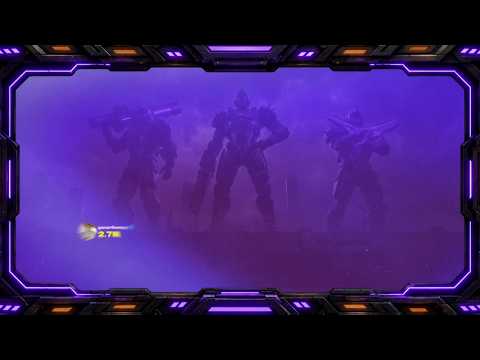
The Solution (0:18 - 0:22): Transitioning abruptly from defeat to empowerment, a CGI warrior presents the Munch Max bar, repositioning the product as the solution to uninterrupted gaming.
-
The Proof and Creator Demonstration (0:23 - 0:43): Rather than delivering a conventional product demo, the brand hands the premise over to established Indian gaming creators—Jonathan Gaming, Mythpat, and GamerFleet. Each creator presents an exaggerated 'crunch hack'—from wrist-taping to robotic grabbers and drone delivery—validating the concept through authentic creator humor.
-
The Social Cascade & Payoff (0:44 - 1:00): The film showcases a montage of community UGC adaptations, proving cultural traction before closing with an AI soldier presenting a loot crate reward, driving viewers to submit their own entries under #HackTheCrunch.
The Debrief
For modern brand teams targeting youth demographics, this spot demonstrates the value of friction-based utility over traditional product attributes. Instead of simply highlighting chocolate flavor or wafer crunch in isolation, Nestlé embeds the product into a specific lifestyle occasion with participatory social mechanics.
Theme Keywords
Brand Position
The light, crunchy chocolate snack that fuels non-stop youth energy without slowing you down.
Brand Archetype
The Jester (Playful, energetic, irreverent)
Creative Game Plan
Turn a common gamer annoyance into a creative social challenge by enlisting prominent streamers to invent absurd hands-free snacking hacks.
Diagnosis: Issues & Solutions
Primary Issue: Strategic Sense
The Problem:
The transition between obvious AI-generated video game cutscenes and authentic creator-shot phone reels creates a slight visual dissonance that can dilute brand premiumness.
The Solution:
Blend the AI/CGI gaming elements directly into recognizable game UI environments or in-game branded mods to make the esports connection feel entirely native.
Secondary Issue: Brand Distinctiveness
The Problem:
The 'eating while gaming' hack concept is broad enough that rival wafer and snack brands could easily replicate the exact same mechanic.
The Solution:
Tether the hack directly to Munch Max's unique physical attributes (e.g., bar length, rigid structural crunch, or crumb-free claim) to make the mechanic exclusively ownable.