Monster Factory - Princess - Ad Analysis

AI Editor notes
Straight from the gut!!
“Okay, this is smart. For a small, niche brand, they didn't have the budget to out-shout Mattel. So they went for wit. The toilet brush gag is solid—it's that perfect kind of 'oh no' humor that every parent recognizes. It's memorable and tells you everything about the brand's slightly subversive, clever personality without a single feature list. A good, lean piece of creative.”
Quick Summary
This ad works by flipping the classic 'monster in the closet' trope on its head. It uses a charming, slice-of-life setup to create a disarming sense of innocence before delivering a punchline that reveals the child, not the toy, is the mischievous 'monster.' This simple, humorous twist perfectly encapsulates the brand's quirky personality and the insight that kids' playtime isn't always as sweet as it seems. [2]
Executive Summary
This spot from Monster Factory is a sharp piece of challenger brand advertising that understands its limitations and turns them into a strength. Lacking the budget for a media blitz, it relies entirely on the strength of its creative idea to earn attention and create a lasting brand impression. The campaign ran on targeted social channels, including mommy blogger sites, showing a clear understanding of where to find its audience. [2]
The Core Insight: The ad is built on a simple, relatable human truth: kids aren't always the innocent angels they appear to be. Parents, the primary purchasers of toys, are acutely aware of their children's capacity for mischievous, sometimes questionable, behavior. The ad taps into this shared secret, creating a moment of comedic recognition. The brand positions its toys not as passive playthings, but as accomplices or partners-in-crime for imaginative, slightly unruly kids. [10] The client, Monster Factory, even told the agency to go a bit darker, wanting the ad to be self-aware about kids' naughty behavior. [2]
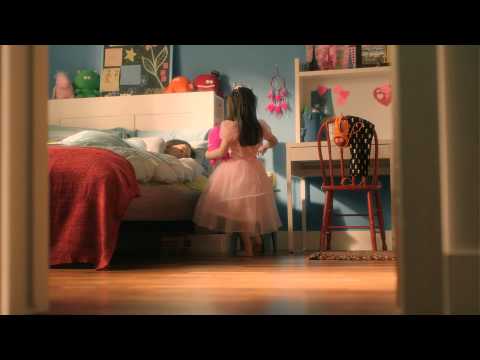
The Execution: The ad follows a classic Setup-Turn-Payoff structure. The Setup (0:00-0:26) is pure misdirection. We see a little girl in a princess costume, bathed in warm, gentle light, speaking lovingly to her plush toy. Everything from the soft focus to the sweet dialogue establishes a classic, innocent playtime narrative. The Turn (0:27-0:36) happens the moment she calls her sleeping sister 'Sleeping Beauty' and the toilet brush is revealed. This visual gag is the pivot point, instantly subverting our expectations. The dialogue shift from 'Sleeping Beauty' to 'stinky face' reinforces the turn from sweet to mischievous. The Payoff (0:37-0:47) is the tagline, 'WHO'S THE REAL MONSTER?'. This line doesn't just cap the joke; it delivers the entire brand strategy. It reframes the word 'monster' from something scary to something endearingly naughty, aligning the brand with the spirit of the child herself. The final animated product showcase feels like a celebration of this idea.
The Debrief: The key lesson here is the power of a simple, subversive idea. Monster Factory couldn't compete on volume or features, so they competed on personality. By leaning into a slightly darker, more honest portrayal of childhood, they created something far more distinctive and memorable than a typical, sanitized toy commercial. The work demonstrates that a deep understanding of your audience's reality (parenting is messy and funny) is more powerful than a generic, aspirational message.
Theme Keywords
Brand Position
The toy brand for clever, quirky, and mischievous kids (and the parents who get it).
Brand Archetype
Jester
Creative Game Plan
Reveal that the true 'monster' isn't the toy, but the charmingly mischievous child who owns it.
Diagnosis: Issues & Solutions
Primary Issue: Strategic Sense
The Problem:
The campaign is effective at building brand personality, but it stops short of building out the world of the characters. The pink monster is named 'Clementine' by the girl, but we don't learn anything else about her. Since the brand's core concept is that each monster has a unique personality, this was a missed opportunity to build equity in a specific character.
The Solution:
Incorporate a line of dialogue or a visual cue that hints at the specific monster's official personality. For example, if Clementine's official trait is being 'daring,' the girl could have said, 'Clementine, you always have the best ideas!' This would connect the ad's narrative to the product's collectible lore.
Secondary Issue: Clarity of "What's Next?"
The Problem:
The ad successfully drives curiosity but provides a very generic destination. Landing on the homepage of MonsterFactory.net leaves it up to the user to figure out what to do next. The path from seeing a funny ad to making a purchase or learning more is not optimized.
The Solution:
Create a dedicated landing page for the campaign (e.g., monsterfactory.net/realmonster). This page could feature the video, introduce the specific 'monster' characters from the ads, and provide a clear path to the online store, strengthening the connection between the creative and commerce.