Mercedes-Benz Thailand: The Reinvention of Pretty - Ad Analysis

AI Editor notes
Straight from the gut!!
“This is a bold, confident move from a market leader. Instead of just making another slick car ad, they took on a problematic piece of the industry's culture. It feels less like marketing and more like a public policy change, which gives it weight. It's a bit self-congratulatory, sure, but it's earned. In a category defined by performance and luxury clichés, this work makes Mercedes-Benz feel intelligent and, frankly, more respectable.”
Quick Summary
This isn't an ad about a car; it's a corporate action disguised as a film. Mercedes-Benz positions itself as a progressive cultural leader by dismantling an outdated and objectifying industry tradition—the 'Pretty' or booth babe—and replacing it with a professional, knowledge-first 'Digital Guide'. The entire strategy is to sell a modern ideology to elevate the brand, making the car a symbol of that forward-thinking mindset.
Executive Summary
This campaign from Mercedes-Benz Thailand is a prime example of a brand moving beyond advertising and into activism. The core insight is potent: in a modern, progressive society, using female objectification to sell products is not just outdated, it’s a liability that alienates the very customers a luxury brand wants to attract. The brand recognized that the decades-old tradition of the auto show 'Pretty' (or 'booth babe') was fundamentally misaligned with its own image of forward-thinking innovation and class.
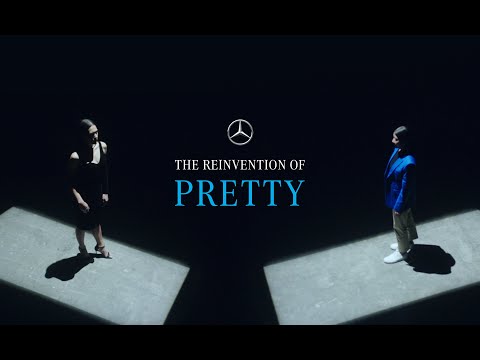
The execution follows a classic Problem-Solution narrative, delivered with the gravitas of a documentary. The setup masterfully establishes the problem from the perspective of the women themselves. Through a somber voiceover and visuals of anxious preparation, the film frames the 'Pretties' not as glamorous icons, but as individuals trapped in a role that invites disrespect and objectification. The jarring sound of camera flashes and close-ups on uncomfortable faces effectively communicates their plight. This isn't a celebration; it's an exposé.
The turn is a decisive, branded action. The on-screen text, "Mercedes Benz will be the first brand to officially stop using Pretty," acts as the thesis statement. The film then introduces the solution: the 'Digital Guide.' The visual shift is stark and immediate—the dark, form-fitting dresses are replaced by smart, professional blue blazers worn by a diverse cast of men and women. The focus moves from body to intellect. The payoff is the christening of this new role, positioning Mercedes-Benz not just as a seller of cars, but as an architect of a better, more respectful future. The final tagline, 'The Reinvention of Tomorrow,' successfully links this specific initiative to the brand's global identity.
The debrief for any marketing team watching this is clear: the most powerful brand statements are often actions, not just words. Mercedes-Benz didn't just make an ad about respecting women; it changed its operational policy at a major public event. [9] This tangible commitment generated enormous positive press and, according to the campaign's own reporting, a significant lift in sales, proving that principled marketing can be profitable marketing. [10]
Theme Keywords
Brand Position
The luxury car brand that leads with progressive values and intelligence.
Brand Archetype
Ruler/Sage
Creative Game Plan
Demonstrate that Mercedes-Benz is the true leader of tomorrow by taking a definitive public action to end an outdated, objectifying industry practice and replacing it with a modern, intelligent alternative.
Diagnosis: Issues & Solutions
Primary Issue: Emotional Connection
The Problem:
While the film successfully builds empathy for the 'Pretties,' it keeps them largely as silent subjects. The story is told about them, not by them directly, which risks feeling slightly detached.
The Solution:
Incorporate a brief, powerful testimonial from one of the former 'Pretties' who has transitioned to a 'Digital Guide.' Hearing her perspective directly would have amplified the emotional impact and the authenticity of the transformation.
Secondary Issue: Strategic Sense
The Problem:
The campaign's power is deeply rooted in the specific cultural context of the Thai motor show 'Pretty.' [9, 10] For a global audience unfamiliar with this term and tradition, the nuance and gravity of the brand's action might not fully land.
The Solution:
For international distribution, create a version with a brief text-based prologue (e.g., 'For 30 years, Thai auto shows have featured 'Pretties'...') to provide the necessary context for the story to have its intended impact.
Additional Notes
Related Links
Credits
Share this Analysis
More Mercedes-Benz ad breakdowns
- 2025 Mercedes-Benz E-Class “Knows your day. Drives your way.” CommercialMercedes-Benz
- Mercedes-Benz Bus Eid Campaign 2025 I OVC [PriyojonerKacheFera] I Rancon I Rainforest CommunicationsMercedes-Benz
- Welcome to the House of Mercedes-BenzMercedes-Benz
- The Road to Mecca. Coming soon, this Ramadan.Mercedes-Benz
- India is a land of dreamers... | Mercedes-Benz IndiaMercedes-Benz
- Mercedes Benz - The encounter - BBDO PARISMercedes-Benz
- Mercedes-Benz "I am Mercedes" AnthemMercedes-Benz
- The Meaning of BenzMercedes-Benz