Meat For Real Meatheads | :70 - Ad Analysis

AI Editor notes
Straight from the gut!!
“This is a smart, well-executed piece of work. Taking the term 'meathead' and flipping it from a gym-bro stereotype to a quirky, lovable obsessive is a clever move. [7] The mockumentary format feels right for the idea. My only hesitation is the runtime. At 70 seconds, it's a long walk for a single-product punchline. The buildup is great, but the payoff (the meat stick itself) feels a little small in comparison.”
Quick Summary
This campaign successfully carves out a distinct and ownable identity—the 'Real Meathead'—for a commodity product in a crowded market. It uses quirky, mockumentary-style humor to redefine a stereotype, making the brand memorable and appealing to an audience that values individuality.
Executive Summary
Yumbo's 'Meat for Real Meatheads' campaign is a solid piece of strategic advertising that understands a fundamental truth: in a crowded market, the only sustainable advantage is a distinct identity. The ad eschews the category's typical hyper-masculine tropes and instead builds its brand around a quirky, endearing, and surprisingly inclusive persona: the 'meathead.' The core insight is that deep, slightly obsessive passions are a source of pride, and a brand that celebrates that quirkiness can build a powerful tribe.
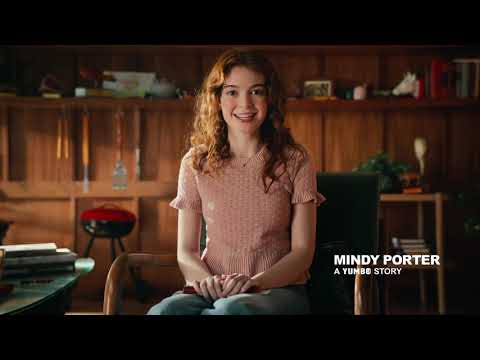
The execution uses a mockumentary format, a well-worn but effective tool for telling a story that feels authentic and entertaining. The narrative follows a simple Setup-Turn-Payoff structure. The setup introduces us to Mindy Porter, whose lifelong, all-consuming love for meat has made her an endearing outcast. Through a montage of cleverly produced home videos, we see her serving T-bone steaks at a tea party, winning 'Most Likely to be a Butcher' in high school, and getting fired for grilling at her desk. This montage establishes the core conflict: being a true 'meathead' is socially inconvenient. The turn is simple and effective. Mindy admits, 'It wasn't easy being a meathead,' immediately followed by the pivot, 'Now, it is.' The payoff is the product itself—the Yumbo meat stick, positioned as the easy, socially acceptable solution for her obsession. The final tagline, 'Meat for Real Meatheads,' codifies the new identity for the brand's target consumer. [7]
The key lesson from this campaign is the power of strategic positioning through redefinition. Havas Chicago didn't invent a new customer; they took an existing stereotype ('meathead') and cleverly flipped it 'on its head' to mean anyone with an intense love for meat, making it inclusive and humorous. [6] This allows Yumbo to create a unique space that competitors can't easily invade. By committing to this singular, quirky story, the brand becomes more than just a sausage stick; it becomes a badge of identity for a specific type of consumer.
Theme Keywords
Brand Position
Yumbo is the smart, convenient meat snack for people whose love of meat is a core part of their quirky identity.
Brand Archetype
The Jester
Creative Game Plan
We will turn the negative stereotype of a 'meathead' into a badge of honor by creating a funny and endearing origin story for a new kind of meat lover.
Diagnosis: Issues & Solutions
Primary Issue: Clarity of 'What's Next?'
The Problem:
The ad does an exceptional job of creating a tribe of 'Real Meatheads' but gives them nowhere to gather. After establishing this strong sense of community, the campaign ends without a hashtag, a social call-to-action, or a dedicated microsite, missing a critical opportunity to convert passive viewers into an active brand community.
The Solution:
Incorporate a simple digital call-to-action on the end card. A hashtag like #RealMeatheads or a simple URL like FindYourYumbo.com would provide an immediate next step for engaged viewers, allowing the brand to capture the enthusiasm generated by the ad and build a lasting community asset.
Secondary Issue: Strategic Sense
The Problem:
The branding on the packaging shown is 'Old Wisconsin Yumbo', but the campaign focuses almost exclusively on the name 'Yumbo'. This could create slight confusion for consumers at the point of sale who are looking for the 'Yumbo' brand but see 'Old Wisconsin' as the more dominant visual mark.
The Solution:
A simple voiceover or text lockup on the final packshot stating 'Yumbo, from Old Wisconsin' would instantly clarify the brand architecture, leveraging the heritage of the parent company while still establishing the new product's unique identity.