McDonald's Menu Receh - Loose Change - Ad Analysis

AI Editor notes
Straight from the gut!!
“This is just plain smart. Taking a boring problem—pocket change—and making it the villain in a series of movie spoofs is a solid creative leap. It avoids the typical, stale 'look how cheap our food is' angle and gives the brand a sense of humor and confidence. It’s memorable, funny, and the payoff actually makes sense. It feels like an ad made by people who respect the audience's intelligence.”
Quick Summary
This ad masterfully transforms a simple value proposition—an affordable menu—into a highly entertaining story. It repositions the minor annoyance of carrying loose change as a cinematic 'curse' that can only be broken at McDonald's, using hilarious, high-production movie parodies to make its point memorable.
Executive Summary
This McDonald’s Indonesia campaign is a textbook example of how to elevate a tactical, price-driven message into a piece of memorable brand storytelling. Instead of taking the direct and often forgettable route of simply showing low-priced food, the agency, Leo Burnett Indonesia, built a narrative around a clever, relatable insight: loose change is an annoyance. The ad then brilliantly exaggerates this minor nuisance into a series of life-threatening cinematic perils.
The Core Insight: The simple human truth at the heart of this ad is that in an increasingly digital world, physical coins are often seen as a hassle. They jangle, weigh down pockets, and lack significant individual value. The campaign taps into the shared feeling of wanting to just get rid of them. The insight was to find a positive, rewarding way to do just that, positioning the 'Menu Receh' (Loose Change Menu) as the perfect solution.
The Execution: The ad uses a classic Problem-Solution narrative structure, executed through the lens of humorous parody.
-
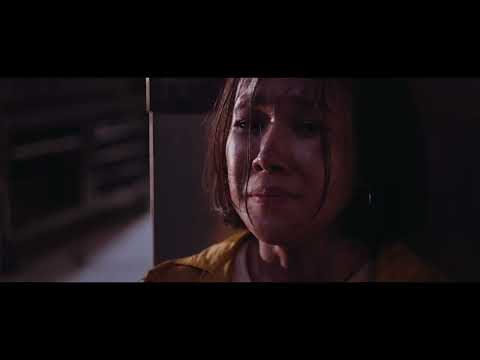
Setup (The Problem Amplified): For the first 45 seconds, the ad presents three distinct vignettes, each a meticulous parody of a famous film genre. We see a woman hunted by a dinosaur in a 'Jurassic Park'-style kitchen, a spy navigating a 'Mission: Impossible' laser grid, and a man terrified by a J-horror ghost. In each high-stakes scenario, the hero's downfall is the same: the sound of their own loose change falling from their pockets gives them away. This repeated motif cleverly establishes loose change as the true antagonist.
-
Turn (The Reframe): The turning point occurs at the 48-second mark with the on-screen text: 'LOOSE CHANGE. GET RID OF IT.' This simple line is the punchline to the entire setup. It reframes the preceding drama not as a fight against monsters or spies, but as a fight against the inconvenience of pocket change. It’s a witty pivot that connects the over-the-top narrative back to the core insight.
-
Payoff (The Solution): The resolution immediately transports the three protagonists from their perilous situations to the bright, welcoming interior of a McDonald's. They are seen enjoying fries, pies, and ice cream—the very items available on the 'Menu Receh.' The solution is presented as simple, satisfying, and social. The final shot of the menu board, clearly stating 'STARTS FROM IDR 5000,' provides the tangible offer and closes the strategic loop.
The Debrief: The key lesson from this campaign is that the creative vehicle can be more powerful than the message itself. By wrapping a simple value offer in high-quality entertainment that respects cultural context (global movie tropes mixed with regional horror), McDonald's created an ad that people would choose to watch and share. It proves that promotional advertising doesn't have to be boring; with a strong enough insight and a commitment to execution, it can be just as engaging as brand-building work.
Theme Keywords
Brand Position
The simple, satisfying, and clever solution to life's little annoyances.
Brand Archetype
The Jester
Creative Game Plan
Transform the mundane annoyance of carrying loose change into a cinematic, life-or-death problem that only McDonald's affordable 'Menu Receh' can solve.
Diagnosis: Issues & Solutions
Primary Issue: Strategic Sense
The Problem:
The ad's creative is brilliant, but it's a high-risk strategy to withhold all branding for the first 48 seconds in a digital environment where viewers can skip after five. A viewer who skips early would see a well-made movie parody but have zero brand association, defeating the ad's purpose entirely.
The Solution:
Integrate a subtle, non-intrusive brand cue earlier in the ad. For example, the clattering coins could have formed a faint 'ba-da-ba-ba-ba' jingle, or a subtle yellow and red color grade could have been applied to the lighting in each scene to subconsciously prime the viewer for the McDonald's reveal.
Secondary Issue: Clarity of "What's Next?"
The Problem:
The campaign is hyper-focused on driving in-store traffic by leveraging physical cash. While effective for its stated goal, it misses an opportunity to connect with the brand's digital ecosystem, such as the McDelivery app, where the value menu is also available.
The Solution:
A simple, non-intrusive addition to the final screen, like a 'Also available on the McDelivery app' icon or a QR code, could capture the impulse of viewers who are not immediately able to visit a physical restaurant, thus expanding the ad's conversion potential.
Additional Notes
Related Links
Credits
Share this Analysis
More McDonald's ad breakdowns
- McDO Moments are backMcDonald's
- Take a Trip Through McDonaldland | McDonald'sMcDonald's
- Everyone deserves a #ForeverDateMcDonald's
- McDonalds McCrispy Strips | Proper WayMcDonald's
- McDonald's UK | A Little More Mmm | 60"McDonald's
- McDonald's | December kan wel een beetje McDonald's gebruikenMcDonald's
- Fancy a McDonald's? #RaiseYourArchesMcDonald's
- McDonald's 50th BirthdayMcDonald's