Mars 2028 for Project Loveday. Made by Cathedra21 - Ad Analysis

AI Editor notes
Straight from the gut!!
“This is the ad you get when fans understand the brand's soul better than most agencies. The production value is incredible for a contest entry. It's so on-the-nose for the Musk-verse—Mars, SpaceX, Tesla—that it feels like an internal pitch film. The 'Elon, I'm kidding' line is the perfect touch of self-aware humor that makes the whole thing work. It solidifies the idea that Tesla isn't just a car; it's a piece of a much bigger story.”
Quick Summary
This ad's power comes from its perfect fusion of two distinct brand identities: Tesla and SpaceX. It doesn't sell a car; it sells a compelling, tangible vision of the future. By placing a familiar product in an extraordinary context, the ad elevates Tesla from an automotive company to a key player in humanity's biggest adventure, making ownership feel like an investment in that future.
Executive Summary
This spec ad, created for Tesla’s ‘Project Loveday’ contest, is a masterclass in modern brand building. It succeeds because it understands a fundamental marketing truth: you aren't selling what the product is, you're selling what it represents. The ad isn't about battery range or 0-60 times; it's about associating Tesla with humanity's most ambitious frontier—space exploration. The execution is what elevates it from a simple idea to a powerful piece of film. The piece follows a classic Setup-Turn-Payoff structure that works remarkably well.
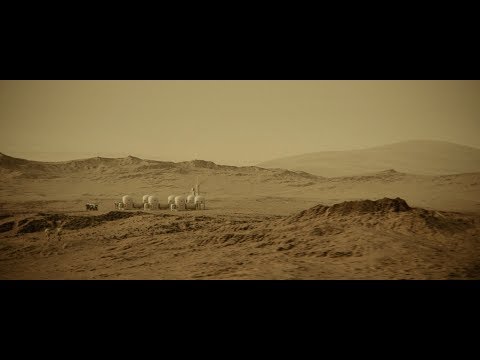
The Setup (0:00-0:17) is pure science fiction. We're dropped onto a beautifully rendered Mars, witnessing the landing of what is clearly a SpaceX Dragon capsule. The cinematic score, the dusty landscape, and the futuristic habitat establish a grand, almost reverent tone. This isn't a car ad; it's the opening of a movie. The audience is primed for a story about astronauts and exploration, setting expectations high.
The Turn (0:18-0:36) is the ad’s most effective moment. The capsule hatch opens, and instead of a rover or a crew in bulky suits, a sleek, white Tesla Model S silently emerges. This juxtaposition is the core of the creative idea. It instantly connects the rugged, ambitious world of SpaceX with the clean, sophisticated world of Tesla. It's an unexpected and delightful reveal that re-contextualizes the car. It's no longer just an earthly vehicle; it's presented as technology worthy of another planet.
The Payoff (0:37-1:03) solidifies the message. The casual, slightly humorous dialogue from the car's AI—'Elon, I'm kidding. Get in'—serves a critical function. It injects a human, relatable personality into the sterile, high-tech environment. This line prevents the ad from feeling self-important and winks at the audience who understands the Elon Musk ecosystem. The final shot of the Tesla driving across the Martian plains, accompanied by the tagline 'See you on Mars,' isn't a call to action; it's a statement of identity. The debrief for any team watching this is clear: when your brand has a unique, ownable story, tell it with confidence. Don't get bogged down in features when you can sell a dream. This ad reinforces the Tesla mythos not by making claims, but by showing a future that feels both aspirational and inevitable.
Theme Keywords
Brand Position
The vehicle that drives humanity forward.
Brand Archetype
The Explorer
Creative Game Plan
Visually equate the groundbreaking ambition of space travel with the experience of owning a Tesla.
Diagnosis: Issues & Solutions
Primary Issue: Emotional Connection
The Problem:
The primary emotion is awe, but it's directed more at the spectacle of Mars and SpaceX than at the human experience with the product. The astronaut is an anonymous figure, making it hard for the viewer to project themselves into the moment.
The Solution:
Add a 3-second shot from inside the helmet, showing the astronaut's subtle smile or look of relief upon entering the familiar, quiet cabin of the Tesla. This would shift the focus from the grand spectacle to a moment of personal, human comfort provided by the brand, even on another planet.
Secondary Issue: Strategic Sense
The Problem:
The ad's power relies heavily on the viewer's pre-existing knowledge of the connection between Tesla and SpaceX. For the uninitiated, the leap might feel abrupt or confusing, slightly weakening the strategic link.
The Solution:
A very subtle co-branded logo could appear on the side of the capsule as it lands—a faint 'Tesla x SpaceX' insignia. This would prime the audience for the car's reveal and make the strategic connection explicit without being heavy-handed.
Additional Notes
Credits
Share this Analysis
More Tesla ad breakdowns
- Advert for Polestar – Time To Move OnPolestar
- Shhh… It’s zombie proof. Kia’s all-electric rangeKia
- Renault ZE - The PostmanRenault
- EV Sahi Hai | Vishvendra Mehta | MG Motor IndiaJSW MG Motor India
- EV Sahi Hai | Abhishake Shukla | MG Motor IndiaJSW MG Motor India
- Hyundai ELEXIO: Looooooong Time (Born from 35 Years of EV Innovation)Hyundai
- Hey Porsche, watch this video. Love, ElectricityPorsche
- Renault ZE "Good resolutions"Renault