Lynx: The Birth - The Power of a Fragrance - Ad Analysis

AI Editor notes
Straight from the gut!!
“This is genuinely funny because it leans completely into deadpan awkwardness. Instead of a bronzed model swarmed on a beach, you have an ordinary nurse stealing a father's biggest life milestone just by standing near the bed. It's weird, uncomfortable, and memorable. Axe/Lynx lost its way trying to be overly earnest a few years back; this absurdist tonal shift proves they understand how to entertain a cynical young audience again.”
Quick Summary
Lynx successfully reinvents its classic 'irresistible attraction' trope for modern audiences by trading dated lad-culture machismo for deadpan, absurdist cinema that highlights premium fragrance over cheap spray.
Executive Summary
For decades, the Lynx (Axe) brand playbook relied on an unsubtle promise: spray this on, and women will chase you down the street. While effective in the 1990s and 2000s, that formula aged poorly in modern culture. Unilever’s recent pivot to position Lynx as a legitimate 'Fine Fragrance Collection' required a new creative language—one that retains the brand's core benefit of attraction while avoiding outdated chauvinism.
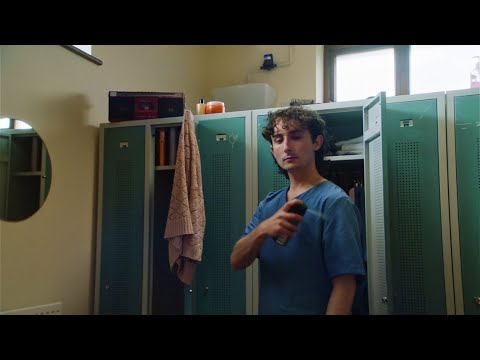
'The Birth' solves this problem by using deadpan absurdity. Directed by Lionel Goldstein (the pseudonym for Belgian duo Koen Mortier and Joe Vanhoutteghem), the execution follows a clear Setup–Turn–Payoff comedic narrative. The setup is grounded in documentary-like banality: Matthew, an unremarkable nurse, applies Lynx Blue Lavender in a mundane locker room before checking on a woman in active labor.
The turn occurs the moment Matthew steps near the bed with the thermometer. Rather than an exaggerated, cartoonish reaction, the mother’s response is played with absolute, quiet sincerity. Her attention pivots completely away from her partner and the physical agony of childbirth to fixate on Matthew’s scent. The deadpan acting sells the joke; there is no wink to the camera, just sincere bewilderment from the attending staff and partner.
The payoff reaches peak cringe as the mother delivers her baby, clutches Matthew’s scrubs, and tearfully whispers, 'Oh, we did it, Matthew.' The camera cuts to the stunned father, repeating the phrase in disbelief. The ad then snaps back to the locker room, framing the can of Blue Lavender as the sole culprit behind the logic-defying event.
Strategically, this works because Gen Z and Millennial consumers respond to self-aware irony. By pushing the 'Lynx Effect' to an extreme, socially taboo context—hijacking the birth of a child—the brand acknowledges the ridiculousness of fragrance advertising while cementing the product benefit in the viewer's memory.
Theme Keywords
Brand Position
The accessible premium fragrance that gives young men an undeniable attraction advantage.
Brand Archetype
Jester (Irreverent, witty, disruptive)
Creative Game Plan
Dramatize the irresistible power of fragrance by placing it in an intensely inappropriate, high-stakes life event.
Diagnosis: Issues & Solutions
Primary Issue: Strategic Sense
The Problem:
While the comedic narrative lands effectively, the ad does little to explain the specific aromatic qualities or ingredient story of 'Blue Lavender' beyond showing the can.
The Solution:
Incorporate a subtle visual or sound design cue that highlights the premium notes (e.g., essential oils, lavender extracts) during the close-up interaction to bridge comedy with product substance.
Secondary Issue: Clarity of "What's Next?"
The Problem:
The closing packshot is brief and lacks an explicit push to explore the wider Fine Fragrance Collection.
The Solution:
Extend the end slate slightly with an on-screen prompt or collection lineup visual to drive consideration across all scents in the range.