Let The Kids Play 2.0 - Ad Analysis

AI Editor notes
Straight from the gut!!
“This is a necessary and smart move. Baseball felt like it was losing the personality war to the NBA. This ad tackles that problem head-on. The execution is clever, especially knowing it was all composited. Still, the press conference setup, even when subverted, feels a bit formal. It's the league *telling* us to let the kids play, which isn't quite the same as a culture that just does it organically. But it's a solid step in the right direction.”
Quick Summary
This ad is MLB's direct counter-attack on its own reputation for being a staid, traditionalist league. It weaponizes its brightest young stars, letting their natural competitiveness and personality shine to send a clear message: baseball is shedding its old, unwritten rules and embracing a more expressive, fun, and modern identity.
Executive Summary
Major League Baseball's 'Let The Kids Play 2.0' is a calculated and effective piece of brand repositioning masquerading as a seasonal hype video. For years, MLB has wrestled with an identity crisis, perceived as a sport of tradition, reverence, and a set of 'unwritten rules' that stifled player personality. This ad is the league's public declaration that the tide is turning. It directly addresses its biggest cultural vulnerability and attempts to transform it into a strength.
The core insight is simple yet powerful: modern fans, particularly younger ones, connect with athletes as much as they do with teams. They crave the personality, swagger, and competitive fire that leagues like the NBA have successfully monetized. Baseball's culture of stoicism was becoming a commercial liability. The 'Let The Kids Play' campaign, in its entirety, is an effort to rebrand the league around its most charismatic and exciting young stars. [13]
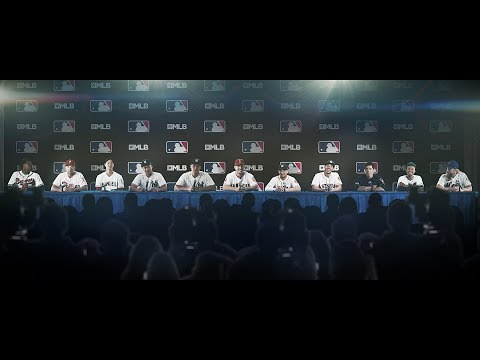
The execution uses a classic Setup-Turn-Payoff structure. The Setup is the painfully familiar and sterile sports press conference, where players offer generic, media-trained platitudes. This immediately grounds the viewer in the very stereotype the ad wants to dismantle. The Turn happens when Alex Bregman offers a bold, cocky prediction, breaking the script. This is the pivot point where the ad reveals its true intention. From there, it's a rapid-fire Payoff as the other players join in, escalating the trash talk and one-upmanship in a way that feels genuine and fun. The scene devolves into competitive chaos, a visual metaphor for what happens when the 'unwritten rules' are abandoned. The final punchline from Mike Trout—the sport's best but notoriously quiet player—delivering the tagline provides the perfect button, giving the campaign's central idea the ultimate endorsement.
The debrief for the team behind this ad would be positive. They successfully tackled a brand negative head-on, using the players themselves as the messengers for authenticity. The technical execution, seamlessly compositing over a dozen superstars who were filmed separately, is a major achievement that makes the concept possible. [1] The ad proves that MLB understands its cultural challenge and has a clear strategy for addressing it: positioning its players as the vibrant, entertaining core of its product.
Theme Keywords
Brand Position
The home of the next generation of expressive, charismatic, and supremely talented athletes.
Brand Archetype
The Jester
Creative Game Plan
Subvert the boring sports press conference to let the unfiltered personalities and competitive fire of baseball's young stars shine through.
Diagnosis: Issues & Solutions
Primary Issue: Emotional Connection
The Problem:
The ad is built on rivalry and trash talk, which creates excitement but can feel one-dimensional. There's a missed opportunity to show the camaraderie or respect that often exists alongside the competition, which would add a layer of humanity.
The Solution:
In a future iteration, intersperse the competitive banter with a quick, silent shot of two rivals sharing a laugh or a nod of respect, showing that the 'play' is rooted in a shared love for the game, not just antagonism.
Secondary Issue: Strategic Sense
The Problem:
The ad is entirely focused on the players, but it doesn't explicitly connect their expressive behavior to the fan experience. It shows why the players are exciting, but not why that excitement matters to the audience.
The Solution:
Integrate brief, stylized shots of diverse young fans reacting with joy and excitement to big plays on their phones or in a bar. This would visually link the 'Let The Kids Play' mantra to a more energized and engaged fanbase.
Additional Notes
Related Links
Credits
Share this Analysis
More Major League Baseball (MLB) ad breakdowns
- Where Major is MadeMajor League Baseball (MLB)
- MLB ImitationMajor League Baseball (MLB)
- Derek Jeter "Legacy" 2014 MLB CommercialMajor League Baseball (MLB)
- MLB London Series: Jimmy Carr pitches baseball to the UKMajor League Baseball (MLB)
- Lights Up. Let's Go.Toronto Blue Jays
- No hay soñador pequeño ni sueño demasiado grandeSevilla FC
- OAKLAND A'S - "CURVEBALL" - HUB TVOakland Athletics
- Here for the ClimbColorado Rockies