lego cl!ck - Ad Analysis

AI Editor notes
Straight from the gut!!
“This is the kind of work that makes you remember why you got into advertising. It's not trying to sell me a box of bricks; it's selling a much bigger, more potent idea about creativity itself. It's long, sure, but it earns that runtime. The casting of the inventor is perfect. It's just a lovely, confident piece of brand storytelling that feels utterly authentic to LEGO.”
Quick Summary
This film's power comes from successfully transforming the simple, physical 'click' of a LEGO brick into a universal metaphor for the mental 'click' of a great idea. It elevates the brand from a toy manufacturer to a facilitator of human creativity and innovation, telling a charming, dialogue-free story that positions LEGOs not as a product, but as the very building blocks of inspiration.
Executive Summary
LEGO's 'CL!CK' is a masterclass in brand storytelling that transcends the product to sell an idea. It’s not an ad about building castles or cars; it’s a three-minute film about the very nature of creativity, positioning the LEGO brick as the physical manifestation of inspiration. The campaign ran on the insight that the satisfying, tactile 'click' of two bricks locking together is a perfect metaphor for the cerebral 'click' that happens when a great idea solidifies in the mind. [1, 3]
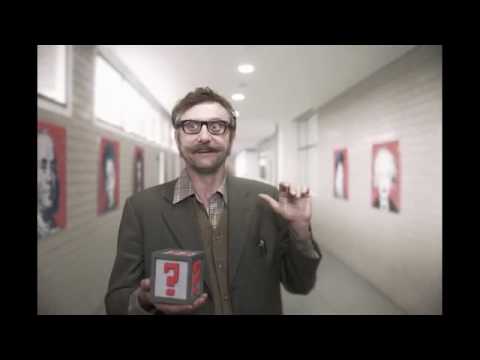
The execution follows a classic Setup-Turn-Payoff structure. The Setup establishes the universal struggle of creative block through its protagonist, a wonderfully eccentric inventor. His workshop is cluttered, his sketches are failures, and his frustration is palpable. He is a stand-in for anyone—child or adult—who has ever stared at a blank page. The Turn is the film's moment of magic. The appearance of the LEGO question-mark blocks and their subsequent explosion into a pile of colorful bricks is the catalyst. It’s the externalization of the internal 'eureka!' moment. The film smartly transitions from a drab, live-action world into a vibrant, fantastical space where LEGOs are the medium for grand ideas. The Payoff is twofold. First, we tour the 'idea factory,' a brilliant device that associates the LEGO brand with concepts far beyond toys, like 'world peace' and 'non-melting ice cream.' This elevates the brand's purpose. The second payoff is personal: the inventor uses his newfound inspiration to solve his own problem, creating rocket boots and achieving flight. His pure, unadulterated joy brings the emotional journey to a deeply satisfying close. The tagline, 'Great ideas just click,' doesn't feel like a marketing line; it feels like a conclusion the viewer has already reached.
The team behind this should learn that the most powerful brand advertising often has little to do with the product's features. By focusing on the feeling and the philosophy behind the brand, LEGO created a piece of content that feels like a gift to the viewer. Its success, which included over a million views in its first two weeks and a slew of industry awards, proves that a long-form, dialogue-free film can be immensely effective in the digital age if the story is universal and the execution is charming. [3, 6] It confidently argues that LEGO isn't just something you play with; it's something you think with.
Theme Keywords
Brand Position
LEGO is the catalyst for creativity and the fundamental building block of great ideas.
Brand Archetype
The Creator
Creative Game Plan
Dramatize the universal feeling of a 'eureka' moment by making the physical 'click' of LEGO bricks a metaphor for an idea clicking into place.
Diagnosis: Issues & Solutions
Primary Issue: Clarity of "What's Next?"
The Problem:
The film does an outstanding job building brand love but is less clear about the tangible next step. The `legoclick.com` URL appears, but the film doesn't signal what users will find there. The campaign relied on the broader ecosystem, including an iPhone app and PR, to connect the dots for the audience. [1]
The Solution:
A simple, non-intrusive animated graphic could have appeared alongside the URL, showing a phone with the LEGO Photo app icon or a cursor clicking on the blog, providing a clearer signpost for engagement without disrupting the film's tone.
Secondary Issue: Emotional Connection
The Problem:
While the inventor's emotional arc is strong, the 'idea factory' segment, though visually impressive, is emotionally cooler and more conceptual. It momentarily shifts the focus from the personal human story to a more corporate-feeling showcase of ideas.
The Solution:
Instead of just placards, the inventions in the factory could have been briefly shown 'in action' with LEGO minifigures, adding a layer of charming narrative and emotional resonance to each concept before returning to the main character.