LEARN - STA Travel Australia - Ad Analysis

AI Editor notes
Straight from the gut!!
“This is basically the genesis of the modern travel influencer video. It’s raw, fast, and sells a feeling, not a package tour. It's smart because it feels like a personal travelogue, not a corporate ad. You have to ask if this is an impossible dream for the average customer, but as a piece of aspirational content? It absolutely nails the wanderlust.”
Quick Summary
This ad reframes travel from a simple vacation into a transformative act of learning. By showing one person's rapid-fire journey of acquiring new skills across the globe, the film powerfully equates travel with personal growth. It cemented STA Travel's brand as the enabler of life-changing experiences, not just a seller of tickets.
Executive Summary
This campaign from STA Travel is a textbook example of how to build a brand by selling a feeling, not just a product. It arrived at a time when a new generation of travelers was beginning to value authentic experiences over passive sightseeing, and this ad captured that cultural shift perfectly. Its core insight is that the most valuable souvenirs are the skills you learn and the person you become. Travel isn't an escape; it's an education.
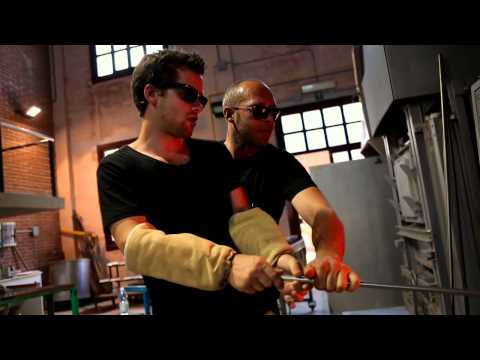
The execution follows a simple but relentlessly effective structure. The Hook is the title card 'LEARN' followed immediately by the energetic, rhythmic music and a flurry of quick cuts. There's no slow build-up; the viewer is dropped directly into the action. The film then builds its case through a rapid montage of the protagonist, Andrew Lees, actively participating in a dozen different cultures. He isn't just watching a tango show; he's learning to dance. He isn't just eating pasta; he's in the kitchen making it. This constant reinforcement of 'doing' rather than 'seeing' is the engine of the ad. Each clip, from weaving in Peru to Muay Thai in Thailand, serves as another proof point for the core idea.
The Payoff arrives in the final moments. After the high-energy montage, the pace slows for a quiet, breathtaking shot of the traveler looking over Machu Picchu. This moment of reflection allows the audience to absorb the cumulative effect of the journey. The on-screen text, 'I WANT TO LEARN' followed by 'I WANT TO TRAVEL,' explicitly connects the two concepts and articulates the feeling the entire ad has been building. The STA Travel logo appears last, positioning the brand not as a travel agent, but as the facilitator of this entire transformative experience.
The debrief for any marketing team watching this is clear: authenticity wins. This campaign, created by a small, independent crew, felt more real and inspiring than a multi-million dollar production because it mirrored the kind of content the audience itself aspired to create. [4, 5] It was a pioneering piece of content marketing that understood the power of showing, not telling, and in doing so, created a viral hit that defined the brand for a generation. [1, 13]
Theme Keywords
Brand Position
The travel company for those who want to be transformed, not just transported.
Brand Archetype
The Explorer
Creative Game Plan
Demonstrate that the true value of travel is measured in the skills you acquire and the connections you make.
Diagnosis: Issues & Solutions
Primary Issue: Clarity of "What's Next?"
The Problem:
The ad does a phenomenal job of creating desire but a poor job of channeling it. After building immense inspiration, the final frame is just a logo and a generic URL, leaving the energized viewer with no clear next step.
The Solution:
The end card should have included a more direct and actionable invitation, such as 'Start your own learning journey' or 'Find experiences like these at statravel.com.au/learn', linking the inspiration directly to a tangible conversion path.
Secondary Issue: Emotional Connection
The Problem:
While the fast pace is key to the ad's energy, it can also keep the viewer at a distance. The relentless montage of activities risks feeling like a checklist of 'cool things to do' rather than a series of deep, human connections.
The Solution:
Briefly slow the pace for one or two mid-film moments. Allowing a single, meaningful interaction—a shared laugh with the pasta-making nonna, a moment of understanding with the weaving artisan—to breathe for two seconds longer would add a layer of human depth to the aspiration.