At Least My Feet Don't Hurt: Outbreak - Ad Analysis

AI Editor notes
Straight from the gut!!
“This works because it does not take itself seriously. Orthopedic shoe commercials usually look like daytime pharma ads with walking pensioners in pastel polo shirts. Setting a product pitch in a grungy basement next to a chained-up zombie teenager is absurd, but it grabs attention and delivers the actual product benefits and return policy without feeling like a chore.”
Quick Summary
KURU cuts through the clinical, geriatric clichés of orthopedic footwear advertising by framing chronic foot pain relief as a luxury powerful enough to outshine the literal zombie apocalypse.
Executive Summary
The orthopedic footwear category has historically suffered from an image problem: products designed for pain relief frequently look and feel like medical appliances aimed at the elderly. KURU challenges this category norm by targeting 30-to-50-year-olds experiencing early heel and arch discomfort who resist buying 'old people shoes.' The core insight is simple: chronic foot pain is a grinding, all-day background distraction that ruins ordinary life, meaning true relief feels life-altering—almost disproportionately valuable.
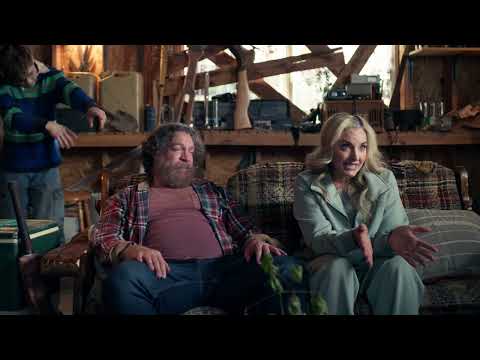
The spot structures this insight using a classic Setup–Turn–Payoff narrative layered over a direct-response product breakdown. In the setup (0:00–0:10), we meet a regular middle-aged couple lounging on a sofa. The turn subverts expectations immediately: they are surviving an active zombie apocalypse, complete with their undead son chained behind the couch. Rather than lamenting the breakdown of civilization, the husband deadpans about the true misery of his pre-collapse life: constant foot pain.
The commercial then shifts seamlessly into product proof (0:11–0:40). As the couple trades absurd survival anecdotes—scavenging sneakers off marching band zombies and corpses—the creative introduces hard utility. We see close-ups of modern, clean footwear rather than clunky corrective shoes. An anatomical heel-cup graphic illustrates the patented KURUSOLE support mechanism, immediately followed by live-action visual proof of durability as the characters stomp and kick through undead hordes.
In the payoff (0:41–1:09), the spot delivers classic risk-reversal direct response messaging wrapped in comedy. The wife outlines the '91-Day Feel Better Promise' return policy, punctuated by the husband feeding soup to their zombie teenager with a wooden spoon. The closing scene—the father showering peacefully while a tethered zombie mows the grass—solidifies the core brand takeaway: when your feet do not hurt, even surviving an apocalypse is manageable.
The debrief for creative teams is that performance and brand building do not need to be separate silos. By anchoring hard-selling direct response mechanics (anatomical animation, 91-day trial, URL) inside a high-concept comedic narrative, KURU earns high watch-time while delivering lower-funnel purchase justifications.
Theme Keywords
Brand Position
The stylish, modern pain-relief footwear engineered around heel support that lets everyday people live actively without foot pain.
Brand Archetype
Everyman / Jester
Creative Game Plan
Demonstrate that foot comfort is so transformative that even during a horrific zombie outbreak, having pain-free feet is the ultimate silver lining.
Diagnosis: Issues & Solutions
Primary Issue: Clarity of "What's Next?"
The Problem:
The closing frame relies on a passive static URL and tagline without a specific promotional hook or search prompt to immediately capture high-intent digital viewers.
The Solution:
Incorporate an on-screen search cue (e.g., 'Search KURU Foot Pain') or a visible intro offer overlay during the final four seconds to reduce friction.
Secondary Issue: Emotional Connection
The Problem:
The heavy reliance on zombie tropes risks overshadowing the genuine physical relief message for buyers who want serious orthopedic reassurance.
The Solution:
Integrate a quick, authentic customer quote or review count overlay alongside the animated heel graphic to bridge the spoof with real-world clinical trust.