KIA: Questions - Ad Analysis

AI Editor notes
Straight from the gut!!
“This is a solid piece of work. It’s simple, relatable, and avoids the usual car ad clichés. The dialogue feels authentic, and the 'Why is my butt hot?' line is a perfect, kid-logic payoff that lands the final feature demo with a genuine smile. It’s not groundbreaking, but it’s an effective and memorable spot that builds brand warmth.”
Quick Summary
This ad cleverly reframes a list of product features as a charming and authentic conversation between a father and his curious son. It successfully positions the Kia Sorento not just as a vehicle with technology, but as a smart, thoughtful car that intuitively provides answers for the everyday challenges of family life.
Executive Summary
The core insight driving this ad is the simple truth that for parents, a car's value is measured in how well it solves the small, constant challenges of family life. It's not about horsepower or torque; it's about having enough hands, keeping kids entertained, and managing their comfort. Kia taps into this by framing the Sorento as the ultimate problem-solver, a partner that has a ready 'answer' for every need.
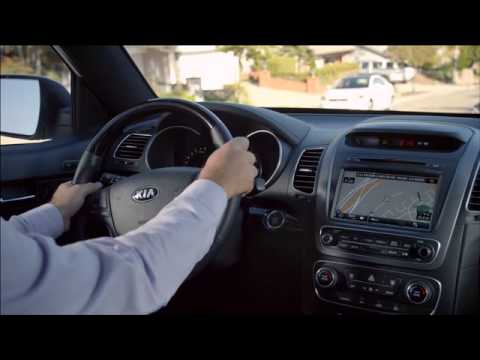
The execution uses a classic, direct Problem-Solution narrative structure, cleverly disguised as a natural dialogue. Each of the son's questions represents a common family-related 'problem' or need. The setup is the question, like 'Why does the back close by itself?' The 'turn' is the dad's answer, which translates a feature (power liftgate) into a real-world benefit ('Cause daddy doesn't have three hands'). This repeats four times, demonstrating power-folding mirrors, a panoramic sunroof, and heated rear seats. Each exchange is a mini-demonstration, but it feels like a story, not a sales pitch. The final payoff is the on-screen tagline, 'It has an answer for everything,' which retroactively defines the entire ad's theme and cements the car's positioning.
The debrief for the creative team is that a feature list doesn't have to be boring. By grounding technical specs in a universally understood human interaction—a child's endless curiosity—the ad makes them emotionally resonant. The script is the hero here; its wit and authenticity transform a product demo into a piece of brand storytelling. This approach effectively builds warmth and communicates tangible benefits at the same time, a difficult balance that this spot nails.
Theme Keywords
Brand Position
The intelligently designed family SUV that has a thoughtful feature for every need.
Brand Archetype
The Sage/Caregiver. It provides wise answers and reliably looks after the family's needs.
Creative Game Plan
Demonstrate how the Kia Sorento's thoughtful features provide simple, clever answers to the everyday demands of family life.
Diagnosis: Issues & Solutions
Primary Issue: Strategic Sense
The Problem:
The ad's primary weakness is its lack of strong brand distinctiveness. The 'charming family in an SUV' concept is heavily used territory, especially by competitors like Honda, Toyota, and Subaru. A rival brand could have produced a very similar spot, making it difficult for Kia's specific brand identity to cut through the category clutter.
The Solution:
Future creative should work to weave in a visual or narrative element that is uniquely Kia. This could mean leaning more heavily into the brand's signature design language or connecting the 'answers' to a broader, ownable brand philosophy that feels less generic.
Secondary Issue: Clarity of "What's Next?"
The Problem:
While excellent for building awareness, the ad misses an opportunity to capture immediate interest. For a product launch campaign, there's no clear, low-friction next step for a viewer whose interest has been piqued by the features shown.
The Solution:
A simple, clean URL or call-to-action on the final card, such as 'See all the answers at Kia.com/Sorento,' would effectively bridge the gap between awareness and the consideration phase of the purchase journey.
Additional Notes
Credits
Share this Analysis
More Kia ad breakdowns
- Kia India | The Kia Carnival Limousine | A new world of luxury & techKia
- #KiaSeltos I Inspired by the badass in youKia
- Kia | The new Sonet | #TheUrbanWilds | EP07: The ChallengeKia
- Kia India | #TheLegendOfBadass | AnthemKia
- Kia | The new Sonet | #TheUrbanWilds | EP02: Trust FallKia
- The new Seltos | Badass Spotlight | Dual Zone Fully Automatic ACKia
- Kia India | The Clavis | Arriving SoonKia
- New Seltos | The game begins #TheBadassRebornKia