Kia: Joyride - Ad Analysis

AI Editor notes
Straight from the gut!!
“Okay, so you take a bunch of toys—Muno is a deep cut for parents of a certain era—and send them on a wild road trip. It's weird, it's memorable, and it's way more interesting than another shot of an SUV driving through a suburb. It feels like a follow-up, which it is. The question is, does the borrowed interest from the characters overshadow the car itself? It's fun, but I'm not sure I remembered the car's name five minutes later.”
Quick Summary
This ad effectively repositions the Kia Sorento from a purely practical family vehicle into a vessel for adventure, reassuring Millennial parents that adult responsibilities don't mean the end of fun. By bringing childhood toys to life on an epic road trip, Kia created a memorable and distinctive campaign that cut through the typically bland messaging of the mid-size SUV category.
Executive Summary
In 2011, the mid-size SUV market was a sea of sameness, filled with ads promising safety, practicality, and room for the kids. Kia, still cementing its identity as a challenger brand, needed to do something different. This 'Joyride II' spot for the Sorento is a strong example of a brand choosing personality over product points to build equity.
The Core Insight: The ad is built on a simple, resonant human truth for its target audience of Millennial parents: becoming a parent, with all its toys and responsibilities, doesn't mean your spirit of adventure has to die. [6] The car isn't just a tool for errands; it's an enabler of the fun, spontaneous life you still want to lead. The toys aren't just passengers; they are literal baggage of parenthood that is being brought along for the ride, not holding you back.
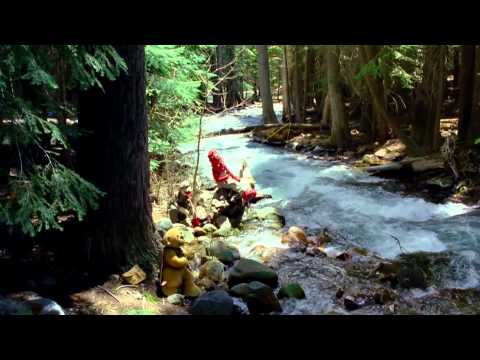
The Execution: The ad uses a simple, effective montage structure. There's no complex narrative, just a series of increasingly surreal and joyful vignettes that build on each other. The hook is immediate and absurd: recognizable toys posing as bodybuilders. This sets a tone of playful subversion that carries through the entire spot. The pacing is relentless, driven by the indie-rock soundtrack, jumping from surfing to line-dancing to skydiving. This isn't a problem-solution ad; it's a 'Lifestyle/Aspirational' piece that sells a feeling rather than a feature. By casting a sock monkey, Muno from Yo Gabba Gabba!, and other toys, the ad cleverly uses nostalgia and pop culture as a shortcut to an emotional connection. The Kia Sorento is the constant presence, the dependable vehicle that makes this entire fantasy road trip possible. The final tagline, 'A departure from the expected,' works perfectly, as it describes both the car and the ad itself.
The Debrief: The key takeaway is the power of a strong creative platform. This ad was a continuation of a campaign that launched during the Super Bowl, demonstrating confidence in the core idea. [7, 12] It proves that you don't need to list features to sell a car; selling a feeling can be more powerful, especially for a brand trying to build an identity. The use of licensed characters created immense stopping power and memorability. The team should learn that when you have a distinctive and successful campaign, doubling down on it is a smart move that builds brand consistency and recognition.
Theme Keywords
Brand Position
The fun-loving, stylish, and capable SUV for those who embrace the adventure of family life.
Brand Archetype
The Jester
Creative Game Plan
Bring the literal baggage of parenthood (toys) to life and send them on an epic road trip to show that the Kia Sorento is the perfect vehicle for parents who refuse to stop having fun.
Diagnosis: Issues & Solutions
Primary Issue: Strategic Sense
The Problem:
The ad's greatest strength—its reliance on charming, borrowed-interest characters—is also a potential weakness. The toys are so entertaining that they risk completely overshadowing the product, leaving the viewer remembering the sock monkey but not the Sorento.
The Solution:
Integrate the car's features more organically into the characters' adventure. For example, show the toys using the spacious cargo area to pack for their trip or utilizing the sunroof to gaze at the stars, subtly linking the fun to the vehicle's attributes without resorting to a boring feature list.
Secondary Issue: Clarity of "What's Next?"
The Problem:
The ad successfully generates a feeling of joy and excitement but provides no clear path for the viewer to channel that energy. Ending with just a logo and URL is a missed opportunity to convert brand affinity into consideration or action.
The Solution:
A more effective call-to-action could have been implemented. For instance, a simple end card like 'Start your own joyride. Test drive the Sorento,' or a prompt to a website where users could build their own virtual road trip, would have given interested viewers a concrete next step.
Additional Notes
Related Links
Credits
Share this Analysis
More Kia ad breakdowns
- Kia India | The Kia Carnival Limousine | A new world of luxury & techKia
- #KiaSeltos I Inspired by the badass in youKia
- Kia | The new Sonet | #TheUrbanWilds | EP07: The ChallengeKia
- Kia India | #TheLegendOfBadass | AnthemKia
- Kia | The new Sonet | #TheUrbanWilds | EP02: Trust FallKia
- The new Seltos | Badass Spotlight | Dual Zone Fully Automatic ACKia
- Kia India | The Clavis | Arriving SoonKia
- New Seltos | The game begins #TheBadassRebornKia