KFC Thailand - For real? - Ad Analysis

AI Editor notes
Straight from the gut!!
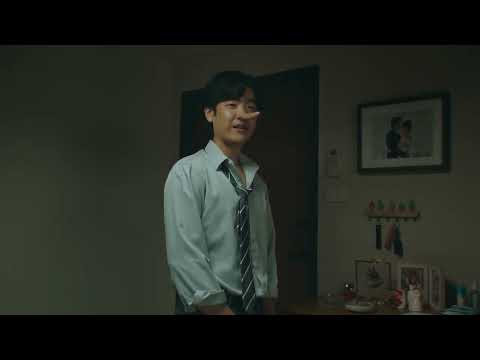
“This is peak Thai advertising. It’s a three-and-a-half-minute short film that just happens to be for chicken. The Pinocchio nose gag is a simple, brilliant visual to anchor the story of mistrust. It takes its sweet time getting to the product, but the emotional and comedic payoff is so strong, it works. It feels less like an ad and more like content you'd willingly share, which is the holy grail.”
Quick Summary
This ad masterfully uses a relatable, high-stakes relationship drama as a Trojan horse to deliver a highly improbable product message: KFC now sells chicken rice in Thailand. The core genius is subverting expectations—the unbelievable truth turns out to be more shocking than the suspected lie, creating a memorable and humorous way to announce a market-disrupting product.
Executive Summary
KFC Thailand's 'For real?' is a prime example of how to launch a product by wrapping a simple, disruptive fact in a complex, emotionally resonant narrative. At nearly four minutes long, it defies the conventional wisdom of short attention spans, proving that if a story is good enough, people will watch. The ad isn't just selling chicken rice; it's selling a story about trust, suspicion, and the absurdity of truth.
The Core Insight: The campaign is built on a sharp human insight: sometimes the truth is so strange, it's harder to believe than a lie. For KFC, a brand synonymous with American fried chicken, to launch a quintessentially Thai dish like chicken rice is, on its face, unbelievable. The creative team at Wolf BKK weaponized this disbelief, making it the central conflict of the story. The narrative mirrors the audience's own potential skepticism, funneled through the girlfriend character who represents the incredulous consumer.
The Execution: The ad follows a classic Setup-Turn-Payoff structure. The setup is a tense, cinematic interrogation of a man who has come home late, looking guilty. The use of the Pinocchio nose is a brilliant visual shorthand for his lies, immediately establishing the stakes and the comedic tone. The tension builds as his partner relentlessly questions him. The 'Turn' occurs when he tells the truth—'I went to have a chicken rice'—and his nose shrinks. This should resolve the conflict, but instead, it escalates it. His truth is rejected as the most ridiculous lie of all, perfectly mirroring the brand's challenge. The 'Payoff' is masterful. The call to Colonel Sanders himself serves as the ultimate 'deus ex machina,' the final word on what is real. This moment provides not only comic relief but also an unimpeachable brand endorsement. The subsequent food shots are the reward for the audience's emotional investment, and the final joke—'Who were you with?'—leaves the audience laughing, ensuring the ad ends on a high note.
The Debrief: The key lesson from this campaign is the power of narrative to overcome a core marketing challenge. Instead of simply announcing the new product, KFC created an event. They understood that to enter a crowded, traditional market like Thai chicken rice, they couldn't just show up; they had to make a statement. By using humor and emotional storytelling, they made their entry charming and memorable rather than arrogant or intrusive. The campaign demonstrates that for the right insight, a long-form ad isn't a risk; it's a necessary vehicle to build the emotional equity needed for a message to land with force.
Theme Keywords
Brand Position
KFC is the surprising, trusted authority on chicken, boldly and authentically embracing beloved local flavors.
Brand Archetype
The Jester (using humor and misdirection) with a touch of The Sage (with Colonel Sanders as the ultimate source of truth).
Creative Game Plan
Dramatize the unbelievable reality of our new product by framing it as the shocking, exonerating truth in a high-stakes relationship dispute.
Diagnosis: Issues & Solutions
Primary Issue: Strategic Sense
The Problem:
The ad's greatest strength—its length and narrative complexity—is also its biggest strategic risk. It invests heavily in a story that takes over two minutes to connect back to the brand or product, which could lead to significant viewer drop-off in less patient viewing environments.
The Solution:
Develop a suite of shorter, 6 and 15-second assets that leverage the core 'For Real?' idea and the Pinocchio visual gag but get to the product reveal almost immediately. This would allow the campaign to work effectively in high-cost, low-attention placements like non-skippable pre-roll or broadcast.
Secondary Issue: Clarity of "What's Next?"
The Problem:
The ad successfully generates desire for the product but fumbles the final step of conversion. It ends on a joke rather than a clear, actionable instruction, potentially leaving interested customers wondering about availability or price.
The Solution:
Incorporate a simple, clean end-card after the final joke that says 'Uncle KFC's Chicken Rice. Available Now. Only 59 Baht.' This would close the loop and convert the emotional engagement into a direct commercial outcome without disrupting the story's flow.