Introducing the Roku Press Paws Remote - Ad Analysis

AI Editor notes
Straight from the gut!!
“This is a smart, well-executed April Fools' joke. It avoids being a cheap prank by committing to the bit, building a whole plausible product launch around it. The attention to detail, like the 'Director of Product Management, Pet Division' and 'Bark Assistant,' is what makes the humor land. It’s self-aware and perfectly targeted at pet-loving Roku users. A solid piece of brand work.”
Quick Summary
This is a textbook example of a successful April Fools' Day brand-building campaign. By creating a funny, absurd, but exceptionally well-produced mock product launch, Roku reinforces its brand personality as fun, user-centric, and in tune with its audience, generating positive social buzz without needing to sell a single thing.
Executive Summary
Roku's 'Press Paws Remote' is a masterclass in the modern corporate April Fools' joke. It functions not as a simple prank, but as a sophisticated piece of brand marketing disguised as a product launch. The campaign operates on a simple, relatable human truth: pet owners, particularly in the Millennial and Gen X demographics, often treat their pets as integral members of the family, projecting complex human emotions and desires onto them. This ad cleverly taps into the fantasy of our pets wanting to choose their own entertainment.
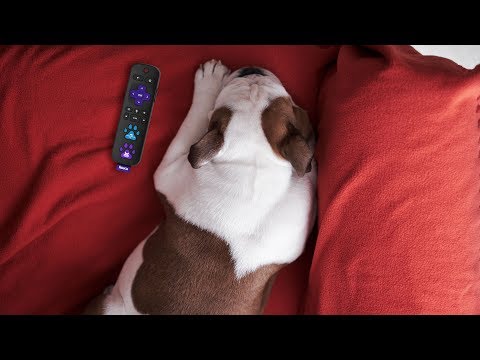
The execution follows a classic Problem-Solution narrative structure, perfectly parodying a standard tech product launch video. It begins by identifying a fictional 'major pet peeve' discovered through a 'survey'—that dogs can't use the remote. This 'problem' is substantiated with mock testimonials from earnest 'pet owners' and what appears to be user-generated footage of canine frustration. This setup gives the absurd premise a thin veneer of credibility. The 'solution' is then revealed: the 'Press Paws Remote,' a beautifully designed, albeit ridiculous, piece of hardware. The ad commits fully to the parody, detailing features like 'Bark Assistant Technology,' 'ergonomic paw buttons,' and even an interview with a straight-faced 'Director of Product Management, Pet Division.' This unwavering commitment to the format is the engine of the humor. The production value is high, ensuring the joke feels premium and deliberate, not cheap.
The debrief for the marketing team is clear: leveraging a cultural moment like April Fools' Day with a high-effort, on-brand piece of content can generate significant earned media and brand affinity. The success of this ad isn't just in the joke itself, but in the execution. By looking and feeling like a real campaign, it respects the audience's intelligence and rewards them with a clever, shareable piece of entertainment. It reinforces Roku's image as a fun, approachable brand in a competitive tech space, achieving its brand-building goals without ever having to ask for a sale.
Theme Keywords
Brand Position
Roku is the simplest, most enjoyable way for everyone—and we mean everyone—to stream.
Brand Archetype
The Jester
Creative Game Plan
Parody a serious tech product launch to introduce a fake remote control designed for dogs, reinforcing our brand as fun and accessible.
Diagnosis: Issues & Solutions
Primary Issue: Clarity of "What's Next?"
The Problem:
The campaign's call to action is, by design, a dead end. Once users realize it's a joke on April 1st, the engagement opportunity concludes abruptly.
The Solution:
The landing page for the 'Press Paws' remote should have immediately pivoted to a real offer after the reveal. For example, it could have offered a discount on a real Roku device or curated a new 'Pets Love These Movies' channel to convert the high-funnel attention into a more tangible brand interaction or even a sale.
Secondary Issue: Emotional Connection
The Problem:
While the ad is humorous, the connection it creates is fleeting and entirely dependent on the one-off gag.
The Solution:
To create a more lasting impact, the campaign could have tied the joke to a genuine cause. For instance, partnering with an animal shelter or pet-focused charity and making a donation would have added a layer of social responsibility, turning a funny moment into a more meaningful brand statement.