Introducing #PUMAxBALMAIN created with Cara Delevingne | PUMA - Ad Analysis

AI Editor notes
Straight from the gut!!
“It's all mood. This is a classic fashion film trying to sell an attitude, not joggers. It's trying very hard to be cool and exclusive, and mostly succeeds. The boxing theme is a bit cliché for 'strength', but the execution is slick. You immediately get that this is expensive sportswear. My only question is whether the PUMA customer and the Balmain customer are really the same person, or if this is just for the hypebeasts who live in the middle.”
Quick Summary
This campaign successfully merges PUMA's athletic heritage with Balmain's luxury swagger to create a new, desirable space in high-fashion streetwear. By using Cara Delevingne and a boxing metaphor, it positions the collection not just as apparel, but as armor for a modern, defiant consumer, making the collaboration feel both culturally relevant and commercially potent.
Executive Summary
This campaign for the PUMA x BALMAIN collaboration is a textbook example of how to launch a high-fashion and sportswear partnership. It’s less of an advertisement and more of a statement piece, designed to generate cultural heat and position the collection as a must-have item for the style-conscious. The strategy hinges on the fusion of two distinct brand identities: PUMA's performance heritage and Balmain's Parisian luxury. [1] By adding Cara Delevingne—a personality known for her rebellious and unapologetic image—the campaign solidifies its target audience: a generation that values authenticity and defiance.
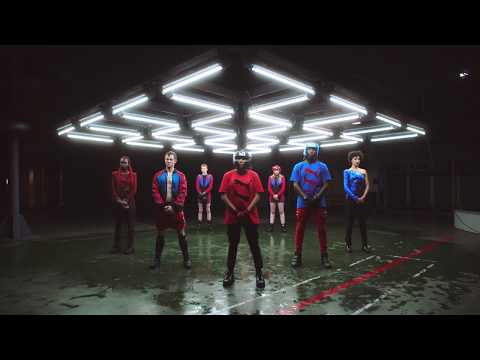
The core insight is that for this consumer, clothing is a form of self-expression and armor. The campaign taps into the idea of fighting for one's identity. [2] The boxing motif, while a common trope for strength, is executed here with a high-fashion lens. It's not about the grit of the sport but the attitude of the fighter. The industrial, almost dystopian setting, combined with the slick, high-contrast lighting, creates a world where these clothes are the uniform for a cool, modern 'army'.
The execution follows a simple but effective narrative: Reveal–Intensify–Assemble. It opens with a mysterious Setup, where the rising lights reveal the key collaborators, Cara Delevingne and Balmain’s Olivier Rousteing. This isn't just a product reveal; it's the anointing of a new creative partnership. The ad then moves into an Intensification phase, using rapid cuts, grainy black-and-white footage, and close-ups on Delevingne’s intense expression and the collection's details. This montage builds a sense of tension and energy. The Payoff is the final shot where the full 'crew' assembles, standing together looking powerful and unified. This visually cements the collection's identity and invites the viewer to join this exclusive group. The ad successfully sells a mood and an identity before it sells a single product.
The debrief for the team is clear: when launching a collaboration, the story is more important than the product details. By blending the credibility of a luxury creative director, the star power of a celebrity muse, and the mass-market appeal of a sports brand, they created something that felt bigger than just a clothing line. The key learning is that for a launch, the primary goal is to create desire and cultural conversation. The announcement of the launch date in the description is the only direct-response mechanism needed; the film’s job is to make sure people are listening when that date arrives.
Theme Keywords
Brand Position
The definitive intersection of luxury fashion and performance sportswear, for the defiant individual.
Brand Archetype
The Rebel
Creative Game Plan
Fuse Parisian luxury with sportswear grit to create the ultimate uniform for the modern 'fighter'.
Diagnosis: Issues & Solutions
Primary Issue: Strategic Sense
The Problem:
The ad does an excellent job of creating a mood but risks being too insular. While it speaks fluently to those already embedded in high-fashion and streetwear culture, it might feel alienating or generic to a broader audience who may not recognize Olivier Rousteing or grasp the significance of the Balmain name.
The Solution:
In future cross-brand collaborations, consider a secondary asset that tells the 'why' behind the partnership more explicitly. A short, interview-style piece with Delevingne and Rousteing explaining their shared vision could broaden the appeal and give the collection a more accessible entry point without diluting the main film's 'cool' factor.
Secondary Issue: Clarity of "What's Next?"
The Problem:
The film successfully builds hype but offers no immediate, integrated pathway for the interested consumer. The call to action ('Launching worldwide on November 21') exists only in the text description, creating a disconnect between the immersive visual experience and the commercial objective.
The Solution:
Incorporate a subtle, integrated call-to-action within the final frames. An elegant solution could be a simple URL overlay (e.g., PUMA.COM/BALMAIN) or a 'Notify Me' end card that feels native to the ad's aesthetic, seamlessly guiding high-intent viewers to the next step in the purchase funnel.