Buckle Up Your Dreams: The Pastry Chef - Ad Analysis

AI Editor notes
Straight from the gut!!
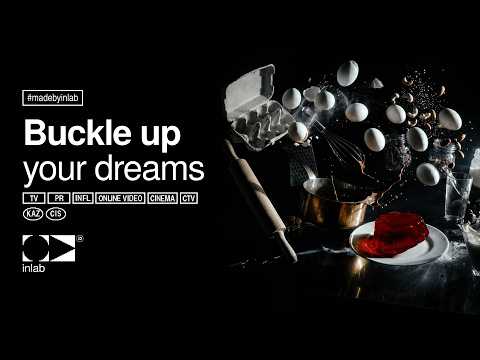
“Using AI slow-motion to shatter kitchen ingredients instead of showing blood and crushed metal is a clever detour. It grabs your attention without feeling like a lecture from the transport ministry. That said, tying it cleanly back to inDrive's specific service feels very subtle until the very end; if you blink during the green seatbelt shot, you might miss who paid for the PSA.”
Quick Summary
inDrive sidesteps traditional, gruesome road-safety scare tactics by reframing the seatbelt not merely as a safety harness, but as an insurance policy on your life's unfinished dreams.
Executive Summary
The Core Insight: Most public service announcements regarding traffic safety rely on fear, graphic crash footage, or sterile accident statistics. However, drivers and passengers routinely tune these out because human psychology defaults to optimism bias—people simply do not believe a catastrophe will happen to them on a routine errand. inDrive bases this campaign on a different human truth: people do not travel just to change locations; they travel toward their aspirations. Threatening an abstract concept of mortality is less effective than threatening the tangible dreams people are actively building.
The Execution: The film adopts a concise Problem–Solution structure executed across thirty seconds. The Setup (0:00–0:09) establishes emotional equity through character-driven storytelling. We meet an older woman who defied age conventions by training as a pastry chef and taking out a business loan. The visual atmosphere is grounded, tactile, and relatable. The Turn (0:10–0:19) delivers the shock without blood. Utilizing slow-motion AI generation, the kitchen dissolves into an explosive suspension where eggs, cream, flour, and a heart-shaped dessert shatter against a pitch-black void. The visual mimics the sudden kinetic violence of a vehicular impact without alienating the viewer with gore. The Payoff (0:20–0:30) resolves the tension by transitioning back into live action inside a car cabin. As the protagonist fastens her bright green seatbelt, the copy lands the double meaning: 'Buckle up. Buckle up your dreams.'
The Debrief: The lesson here for brand strategists is how to execute Corporate Social Responsibility (CSR) without being self-righteous or grim. inDrive recognized that in markets like Kazakhstan, rear-seat belt compliance is historically low. Rather than lecturing riders with regulatory fines, they turned the physical act of pulling a seatbelt into an act of self-preservation for one's future. While the integration of inDrive's explicit brand assets is restrained, the halo effect of leading a nationwide safety dialogue elevates the brand's cultural stature above competitors who treat mobility purely as a transaction.
Theme Keywords
Brand Position
The people-first mobility platform that values individual agency and human potential above algorithmic transactions.
Brand Archetype
Caregiver / Everyman (Compassionate, Grounded, Protective)
Creative Game Plan
Reframe the routine habit of buckling up from a tedious traffic regulation into an emotional pledge to safeguard one's life ambitions.
Diagnosis: Issues & Solutions
Primary Issue: Brand Distinctiveness
The Problem:
The piece relies heavily on the green seatbelt and typography color as the sole brand markers, making it easy to mistake for an unbranded government PSA.
The Solution:
Introduce a subtle inDrive sonic branding cue or a clean end-card logo lockup beneath the final tagline to ensure immediate attribution.
Secondary Issue: Clarity of 'What's Next?'
The Problem:
The film does not directly connect the behavioral prompt back to the inDrive app experience where users actually make their travel decisions.
The Solution:
Add a brief secondary line or in-app prompt reference encouraging passengers to check their seatbelt before starting their inDrive trip.