India Gate Basmati | Samruddhicha Swaad - Ad Analysis

AI Editor notes
Straight from the gut!!
“This is solid, bread-and-butter emotional advertising. It’s not going to win a Cannes Lion, but it doesn't need to. The strategy to go after a specific region (Maharashtra) with a tailored message is sharp. [10] Linking 'prosperity' (samruddhi) not to wealth, but to family togetherness is a clever emotional hook that feels authentic, not forced. It does exactly what it needs to do for the target market.”
Quick Summary
This ad repositions rice from a simple commodity to a symbol of shared prosperity, targeting Maharashtrian families by equating the daily grind of hard work with the emotional reward of eating together. It’s a smart, culturally-attuned play to make a national brand feel local and transform it from a 'special occasion' product into an everyday essential.
Executive Summary
India Gate's 'Samruddhicha Swaad' is a textbook example of strategic, heart-on-its-sleeve brand building aimed at a specific regional market. Rather than a grand, national statement, this is a targeted piece of communication designed to embed a market-leading brand into the daily fabric of Maharashtrian life. [4, 10] It operates on a simple, powerful premise: in modern life, where work often pulls families apart, the shared meal is the ultimate act of unity and the truest measure of prosperity.
The core insight is that for the target audience—a striving, millennial Maharashtrian family—'prosperity' (Samruddhi) isn't just financial success, but the emotional richness derived from family bonds. The husband's late night at the factory is a symbol of his hard work for the family's future, a common reality for many. The brand cleverly reframes this sacrifice not as a negative, but as something worthy of celebration—a celebration facilitated by his wife bringing the family meal to him.
The execution follows a classic emotional narrative arc. The Setup establishes the problem: the husband is too busy to come home for dinner. The Turn is the wife's decision not to accept this, but to instead bring the comfort of home to his workplace. This simple act elevates the moment from a mundane dinner to a special occasion. The Payoff is twofold: the family enjoying the meal in an unconventional setting, and the mutual appreciation between the husband and wife. He works hard for them; she ensures they stay connected. India Gate rice is positioned not just as food, but as the catalyst for this moment of connection. The final tagline, 'Yaat aahe samruddhi cha swaad' ('It has the taste of prosperity'), masterfully links the product to the emotional climax.
The debrief for the team is that regional specificity works. By using Marathi and focusing on a culturally resonant theme, the brand makes a direct, personal appeal that a generic national campaign could never achieve. It demonstrates that even for a staple commodity like rice, branding is about owning an emotion. Here, India Gate isn't just selling rice; it's selling the feeling of a family acknowledging and cherishing each other's efforts. It’s a smart, efficient, and emotionally resonant piece of advertising that understands its audience and its objective perfectly.
Theme Keywords
Brand Position
The taste of shared family prosperity.
Brand Archetype
The Caregiver
Creative Game Plan
Equate the emotional reward of family togetherness with the 'taste of prosperity' found in our rice.
Diagnosis: Issues & Solutions
Primary Issue: Brand Distinctiveness
The Problem:
The central theme of 'food bringing the family together' is a well-worn trope in the FMCG category. While emotionally effective, the story could, with minor changes, be used by a competitor brand of cooking oil, flour, or spices. The ad relies heavily on the final tagline to land the brand, rather than weaving the brand's uniqueness into the narrative itself.
The Solution:
Subtly integrate a brand-specific element earlier in the story. For example, a passing line of dialogue where the wife says she's making his 'favorite' rice, or a visual cue showing the India Gate pack as she makes the decision to cook, could tie the emotional motivation more directly to the brand from the start.
Secondary Issue: Clarity of 'What's Next?'
The Problem:
The ad successfully builds an emotional connection but stops short of guiding the consumer to a specific action beyond general brand preference. Given the campaign goal of driving daily usage and the introduction of new daily-use variants, there's a missed opportunity to connect the story to the specific product range shown at the end.
The Solution:
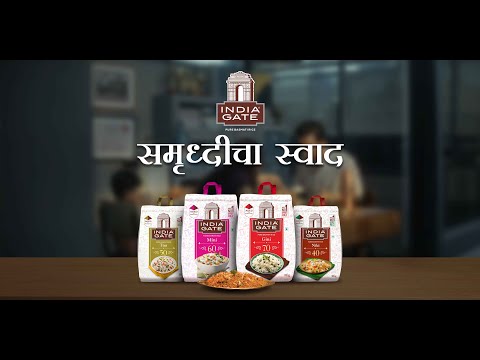
Modify the end-card to briefly highlight the new 'daily' variants (Gini, Mini, etc.) mentioned in the campaign strategy. [10] A simple superimposition like 'Now for your everyday meals' under the product shot would bridge the emotional narrative with the practical product strategy, giving consumers a clear next step.