Hotels.com Rewards | Get 1 free night in every 10! - Ad Analysis

AI Editor notes
Straight from the gut!!
“This is smart, sharp, and funny. It's refreshing to see a travel ad that isn't just a montage of happy people on beaches. The 'jungle madness' line is a killer. It treats the audience like they're in on the joke, creating a sense of shared wit. It's a classic example of making a simple loyalty program feel like a high-stakes decision. This works.”
Quick Summary
This ad effectively uses dark, deadpan humor to make a simple, powerful point: not using the Hotels.com Rewards program is a comically bad decision with absurdly dire consequences. It transforms a forgettable value proposition into a memorable and highly distinctive piece of brand communication.
Executive Summary
This Hotels.com spot is a solid piece of strategic creative that understands a fundamental truth about advertising: being remembered is half the battle. In the homogenous world of travel advertising, typically filled with smiling couples walking on beaches, this ad takes a hard left turn into dark, deadpan humor. It’s an effective strategy that allows the brand to stand out and makes its core message—the value of its loyalty program—far more impactful.
The core insight is that people often make small, forgettable mistakes while traveling, and they rarely consider the consequences of overlooking something like a rewards program. The ad takes this minor oversight and inflates it to a life-or-death situation, creating a humorous disconnect between the scenario (a monkey bite) and the supposed cause (not using Hotels.com Rewards). This positions the brand's program not just as a 'nice to have,' but as the 'obvious choice' for anyone with common sense. [3, 5]
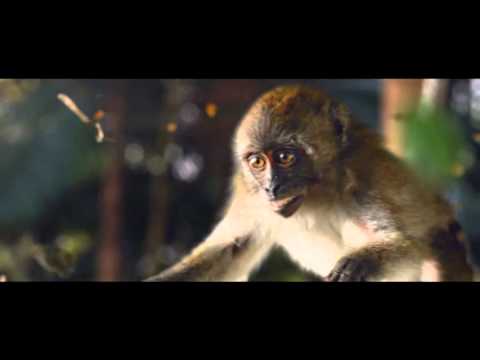
The execution follows a clean Setup-Turn-Payoff structure. The Setup (0:00-0:06) presents a familiar tourist scene: a woman taking a selfie with a monkey. A David Attenborough-esque voiceover begins, lulling the viewer into expecting a nature documentary. The Turn (0:07-0:16) is the critical moment where the ad reveals its true intent. The voiceover breaks the fourth wall, directly addressing 'Kate' and chastising her for forgetting her shots and, more importantly, for forgetting to use Hotels.com Rewards. The consequence is absurdly linked: instead of a free night, she gets tetanus. The Payoff (0:17-0:30) escalates the dark humor. The narrator cheerfully informs Kate that the impending bite will also cause 'jungle madness,' but not to worry, she'll laugh about it hysterically later. This final, absurd threat perfectly sets up the solution: the simple, sane, and valuable offer of 'Book 10 Nights, Get 1 Free'.
The debrief for the creative team here is clear: distinctiveness trumps cliché. While the global 'Captain Obvious' campaign set the stage for this kind of humor, this Australian execution proves the platform's flexibility. [1, 6] It demonstrates that a brand can build equity and drive a performance-based message simultaneously. By creating a unique and ownable tone of voice, Hotels.com made its simple loyalty program famous and, in the process, made itself the memorable, witty choice in a sea of forgettable competitors.
Theme Keywords
Brand Position
The smart and obvious choice for booking hotels.
Brand Archetype
The Sage (mixed with The Jester)
Creative Game Plan
Dramatize the failure to use Hotels.com Rewards as a catastrophic, yet hilarious, travel mistake.
Diagnosis: Issues & Solutions
Primary Issue: Emotional Connection
The Problem:
The ad's primary strength—its cynical, dark humor—is also its biggest potential weakness. This tone, while memorable for the target audience, could alienate viewers who prefer more positive, aspirational, or family-friendly travel content, potentially limiting its broad appeal.
The Solution:
Develop a parallel creative stream that communicates the same 'Obvious Choice' message but through a lens of positive, clever problem-solving rather than negative consequence. This could capture a wider audience without diluting the main campaign's edge.
Secondary Issue: Strategic Sense
The Problem:
The ad is excellent for retention and reminding existing users of the rewards program. However, it does less to convince a new customer, who has never used Hotels.com, why they should start. It assumes a level of familiarity with the booking process.
The Solution:
A future spot could be aimed squarely at 'first-timers,' framing the rewards program as the compelling reason to switch from a competitor or book for the first time, highlighting the ease of starting to earn rewards from day one.
Additional Notes
Related Links
Credits
Share this Analysis
More Hotels.com ad breakdowns
- Booking.yeah with The MuppetsBooking.com
- Booked it yet? Listen to your holiday selfWotif.com
- Yankees fans love Boston with Booking.comBooking.com
- Escape the Stress.See the World for Less (Stress Eating)-30s | Amazing deals on hotelsAgoda
- AIR DANCERTajawal
- BestDay Sausage, by McCann MexicoBestDay.com
- LateRooms.com Sale TV Ad (30) - How could this business trip get any better?LateRooms.com
- MakeMyTrip: Book The Trip Now. Think Of An Excuse Later. (Swamp Award)MakeMyTrip