Honda HR-V: Dreamrun - Ad Analysis

AI Editor notes
Straight from the gut!!
“This is a big, expensive swing, and it mostly connects. The *Inception*-style visuals are well-executed and the talking dog is a solid, weird-in-a-good-way touch. It feels very on-brand for Honda's history of ambitious films. My only question: Does anyone remember a single feature of the car afterwards? It's all vibe and spectacle, which is fine for a launch, but the product itself feels a bit like a passenger in its own commercial.”
Quick Summary
Honda masterfully connects its long-standing 'Power of Dreams' tagline to a tangible product, positioning the all-new HR-V not just as a practical SUV, but as a vehicle for imagination, adventure, and escape from the mundane. It uses a high-concept, cinematic dream chase to make the car's launch feel like a significant cultural event rather than just another automotive ad.
Executive Summary
Honda's 'Dreamrun' is a confident and ambitious piece of brand storytelling designed to launch the HR-V into a competitive compact SUV market. Rather than listing features or focusing on fuel efficiency, the campaign, led by Leo Burnett Melbourne, makes a strategic choice to sell an idea: the car as a conduit to freedom and imagination. It’s a direct and literal interpretation of Honda's global tagline, 'The Power of Dreams,' a theme the brand has consistently explored in its most famous advertising. [1, 2, 3]
The Core Insight here is that people buy SUVs, especially their first one, for more than just the daily commute. They buy the possibility of adventure. The car represents a key to unlock a life less ordinary, even if that life is only lived on weekends or in daydreams. This ad taps directly into that aspirational desire for escape from the quiet desperation of routine, symbolized by the mundane diner at the start.
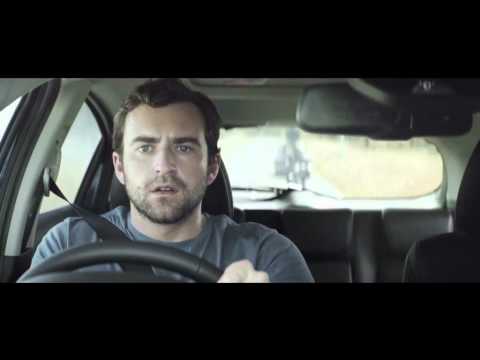
The execution follows a classic Setup-Turn-Payoff narrative structure. The Setup is the quiet diner, where our hero Brian realizes he's in a lucid dream (0:00-0:13). The Turn is the arrival of the 'dream police,' an external force that compels him to act and escape (0:14-0:21). It's here the product is introduced not as a mere object, but as the solution to his problem—a vehicle literally constructed from his will to get away. The Payoff is the extended, surreal chase sequence (0:22-1:12). This segment functions as a dynamic, if abstract, product demonstration. The HR-V is shown to be agile and capable as it navigates the bizarre, crumbling dreamscape. The final scene, where Brian wakes up to find the HR-V is real, masterfully bridges the fantasy with reality. The dream was aspirational; the car is the attainable piece of that dream. The use of a cover of 'Sweet Dreams' is an almost perfect musical choice, reinforcing the theme with lyrical and tonal relevance.
The debrief for the team would be overwhelmingly positive. 'Dreamrun' succeeded in creating a memorable, cinematic event that generated buzz and established a distinct personality for the HR-V. It won numerous creative awards for its direction and visual effects. [1] The strategy to forgo feature-talk in favor of a high-concept narrative was a calculated risk that paid off in distinctiveness. However, the team should note the reliance on pure spectacle. While effective for a launch, follow-up communications would need to ground this aspirational image with more tangible product benefits to convert intrigued viewers into buyers.
Theme Keywords
Brand Position
The imaginative and clever compact SUV for those who dream of adventure.
Brand Archetype
The Explorer
Creative Game Plan
Visualize Honda's 'Power of Dreams' tagline by creating a cinematic dream-chase where the all-new HR-V is the ultimate vehicle for escape and adventure.
Diagnosis: Issues & Solutions
Primary Issue: Strategic Sense
The Problem:
The ad does a phenomenal job of selling the dream but a poor job of selling the car's specific features. Aside from a panoramic sunroof, viewers learn nothing about what makes the HR-V a smart purchase (e.g., 'Magic Seats', fuel efficiency, safety tech). The car is a prop in its own story.
The Solution:
Integrate one or two key product features directly into the escape narrative. For example, Brian could have used Honda's flexible 'Magic Seats' to make an obstacle disappear, or used a lane-keep assist feature to navigate a treacherous, shifting road, subtly grounding the fantasy in real-world innovation.
Secondary Issue: Emotional Connection
The Problem:
The ad is visually impressive and entertaining, but the character of 'Brian' is a blank slate. We don't know why he's dreaming of escape, so the stakes feel low. The result is a spectacle that's cool to watch but doesn't create a strong empathetic link with the audience.
The Solution:
Add a three-second opening shot that establishes a motive for the escape. Show Brian looking bored in a cubicle or stuck in traffic. This would give the subsequent fantasy sequence more emotional weight and make his eventual escape more satisfying for the viewer.
Additional Notes
Credits
Share this Analysis
More Honda ad breakdowns
- All New Honda Elevate | You're The ChaseHonda
- First-in-Segment Honda SENSING ADAS | All-New Honda AmazeHonda
- The New Honda Sensing Enabled City & City e:HEVHonda
- Room for All Your Adventures | All-New Honda AmazeHonda
- All-new Honda Elevate | Boldly Stylish Design | Bookings OpenHonda
- Honda Elevate Signature Black EditionHonda
- Honda Forza 750 Faster than TwitterHonda
- KHEA - NAVI (Official Video)Honda