Homes r Us | Affordably Good - Ad Analysis

AI Editor notes
Straight from the gut!!
“It's a clever, workmanlike ad. The 'he wants a recliner, she wants a stylish sofa' trope is as old as advertising itself, but the fast-paced, TikTok-style execution makes it feel current. They correctly identified that the real conflict isn't taste—it's the budget. By making the brand the solution to the budget problem, they sidestep the cliché and deliver a clear, compelling message. Solid, if not groundbreaking.”
Quick Summary
This campaign successfully repositions the stressful, expensive process of furnishing a first home as a fun, solvable challenge. By framing the classic 'his taste vs. her taste' debate and resolving it with affordability, Homes r Us becomes the hero that allows young couples to get the style they want without the financial compromise.
Executive Summary
Homes r Us's 'Affordably Good' campaign is a sharp piece of strategic communication that understands its audience's core tension: the dream of a beautiful first home versus the reality of a tight budget. It takes a well-worn creative trope—the couple with conflicting tastes—and revitalizes it for a Millennial, social-media-savvy audience in the Middle East. The ad doesn't just sell furniture; it sells a resolution to a couple's first major financial and aesthetic negotiation.
The Core Insight: The simple human truth at the heart of this ad is that furnishing a new home together is a proxy for bigger things. It’s a test of a couple's ability to compromise and build a shared life. However, the biggest source of friction isn't necessarily taste—it's money. The fear of making an expensive mistake or breaking the bank is the real villain. By positioning itself as 'affordably good,' Homes r Us reframes the conflict from 'his choice vs. her choice' to 'a choice we can both love and afford.'
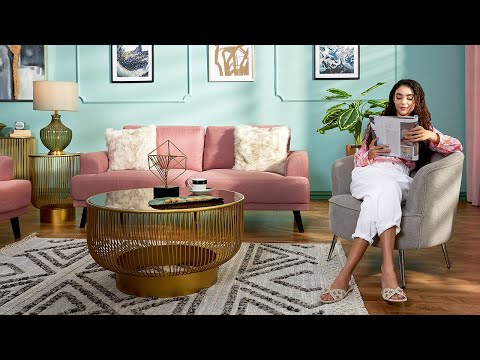
The Execution: The ad follows a classic Setup-Turn-Payoff structure, executed with a modern, dynamic visual language. The Setup is simple: a young couple stands in their empty new home, a blank canvas for their future. The Turn is a fast-paced, humorous montage that visualizes their conflicting desires. With finger snaps and magical 'poofs', his dark leather recliners are replaced by her chic pink sofas; his industrial dining table is swapped for her elegant one. This sequence is effective because it's purely visual, works without sound, and uses a visual trick popular on platforms like TikTok and Instagram Reels, making it feel native to the target audience's media diet. [2] The music is light and whimsical, preventing the disagreement from feeling like a real fight. The Payoff arrives with the voiceover: "The best decisions are made together." The couple finds a happy medium, not through compromise on style, but through the brand's affordability. The final shots transition from lifestyle narrative to hard-sell performance marketing, with clear product shots and prices in AED. This dual structure serves both brand building (associating Homes r Us with happy resolutions) and driving immediate sales.
The Debrief: The team should recognize the power of marrying a relatable human insight with a contemporary execution style. The 'magic furniture' device is a strong visual metaphor for the ease of browsing and wish-listing. The most important lesson is how the ad successfully identified the true enemy—price anxiety—and made the brand the hero that defeats it. This allows the couple to remain united, strengthening the ad's positive emotional takeaway. It’s a solid blueprint for targeting first-time buyers in any category: solve the underlying financial stress to unlock the emotional joy.
Theme Keywords
Brand Position
The smart, stylish solution for young couples to affordably furnish their dream home without compromise.
Brand Archetype
The Everyman
Creative Game Plan
Demonstrate how our affordable prices eliminate the classic 'his vs. hers' decorating conflict, making furnishing a first home a fun, shared victory.
Diagnosis: Issues & Solutions
Primary Issue: Strategic Sense
The Problem:
The primary weakness is a lack of deep brand distinctiveness. While the ad is well-executed, the core idea—an affordable furniture store solving a couple's decorating debate—is not a highly ownable concept. A competitor could plausibly run a very similar campaign.
The Solution:
Future campaigns should work to embed a more unique brand asset or point of view. For instance, focusing on the specific Middle Eastern origin ('home-grown brand') or a unique design philosophy could build a more defensible strategic position beyond just affordability.
Secondary Issue: Emotional Connection
The Problem:
The ad creates a light, humorous connection but stops short of a deeper emotional moment. The line 'The best decisions are made together' feels slightly generic and tacked-on rather than a fully earned conclusion from the preceding scenes.
The Solution:
A single, brief shot showing a moment of genuine collaboration or a shared, quiet smile after finding the perfect item could have landed the emotional beat more authentically, elevating the ad from just clever to truly heartwarming.