Himalaya BabyCare | Himalaya Baby Shampoo - Ad Analysis

AI Editor notes
Straight from the gut!!
“This is baby advertising by the numbers. Adorable baby? Check. Loving mom? Check. Soft lighting? Check. It’s a safe, predictable ad that does its job but takes zero creative risks. The 'pH 5.5' and 'Doctor Prescribed' claims are the only things that keep it from being completely generic. It feels competent but is ultimately forgettable.”
Quick Summary
This ad effectively fuses the emotional reassurance of a gentle bath time with the rational security of scientific claims ('pH 5.5') and authority ('No.1 Doctor Prescribed'). It works by making the smart, scientific choice also feel like the most loving one, a powerful combination for new parents.
Executive Summary
This Himalaya Baby Shampoo ad is a masterclass in risk-averse, benefit-driven marketing, tailored for the anxious new parent. Its core strategy rests on a simple, powerful insight: modern parents, particularly mothers, crave both emotional connection and scientific validation when choosing products for their children. They want to feel like a loving caregiver, but also a smart, informed one.
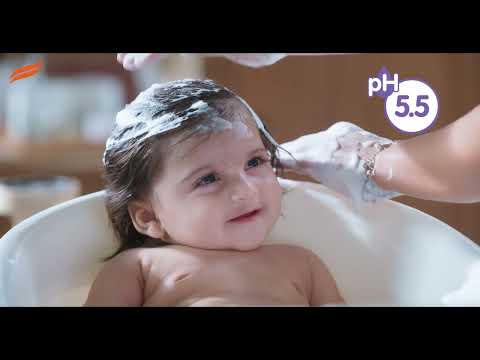
The execution follows a straightforward Problem-Solution-Proof framework. The implied problem is the fear of using a harsh or unsafe product on a baby's delicate scalp. The ad immediately presents Himalaya Gentle Baby Shampoo as the ideal solution, framed within an aspirational lifestyle scene of a serene, happy bath time. This visual serves as the emotional proof. The baby is calm, the mother is confident—this is the desired outcome the product promises to deliver. But the ad doesn't stop at emotion. It systematically layers on rational reasons to believe, which is where it builds its real case. First, it introduces 'pH 5.5' as a scientific marker of gentleness. This is a direct appeal to the consumer who does their research. Second, it leans heavily on authority with the 'No. 1 Doctor Prescribed Brand' claim, substantiated by a named third-party research firm (Ipsos) in the fine print. This is the crucial social proof that alleviates anxiety. Finally, it reinforces its natural positioning with a quick showcase of ingredients like Hibiscus and Chickpea, appealing to a desire for less synthetic formulations.
The debrief for the team would be that the ad succeeds in its primary mission: to reinforce trust and defend market share. It effectively blends the brand's 'natural' heritage with clinical-sounding validation. However, the team must also recognize that this safety-first approach results in generic creative. The ad is highly effective as a piece of tactical communication but does little to build a unique, ownable brand world. It confirms what the audience already believes about Himalaya rather than giving them a new, exciting reason to love the brand.
Theme Keywords
Brand Position
The safest, most trusted baby care, where natural gentleness is proven by science.
Brand Archetype
Caregiver
Creative Game Plan
Visually reassure mothers with a gentle, loving bath time scene, while providing a checklist of rational reasons why our shampoo is the safest choice.
Diagnosis: Issues & Solutions
Primary Issue: Emotional Connection
The Problem:
The mother-baby interaction feels too perfect and staged. It lacks a spark of authenticity that would make the emotional moment more memorable and relatable.
The Solution:
Incorporate a small, unscripted-feeling moment. A genuine giggle from the baby as they splash, or a quick, candid expression from the mom would make the scene feel less like a commercial and more like a captured memory.
Secondary Issue: Strategic Sense
The Problem:
The ad presents a checklist of claims (pH 5.5, natural, no tears, doctor prescribed) that can feel cluttered. By trying to say everything, it slightly dilutes the power of its single strongest claim.
The Solution:
Elevate the 'No. 1 Doctor Prescribed' claim from a supporting point to the central theme of the entire ad. Build the narrative around the trust that medical professionals place in the brand, making it the hero of the story.