Heathrow Bears Christmas TV Advert - #HeathrowBears - Ad Analysis

AI Editor notes
Straight from the gut!!
“This is textbook British Christmas advertising, and I mean that as a compliment. It's incredibly sweet, maybe a little too safe, but it absolutely nails the objective. Using the bears is a smart move; it sidesteps the complexities of casting real people and creates a universally cute, ownable asset. Following their story from the year before was a solid, confident play that rewards loyal viewers.”
Quick Summary
This ad cements Heathrow's role not as a piece of infrastructure, but as the enduring stage for life's most important emotional moments. By telling the 50-year love story of two teddy bears, it transforms the sterile airport environment into a warm, nostalgic theater of human (or bear) connection, making the brand synonymous with the feeling of coming home for Christmas.
Executive Summary
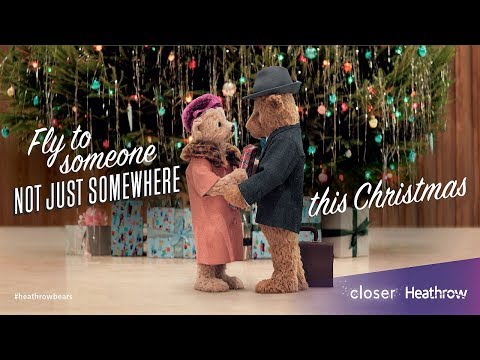
Heathrow's 2017 Christmas ad is a masterclass in building an ownable brand platform through long-form storytelling. Functioning as a prequel to their successful 2016 debut, the film tells the 50-year love story of its two animatronic teddy bear protagonists, Doris and Edward Bair. [1, 3] This strategic choice to build a multi-year narrative deepens the audience's emotional investment and transforms the characters from a one-off gimmick into beloved brand mascots.
The core insight is powerful in its simplicity: airports are not merely transit points, but the settings for our most profound reunions. The ad leverages the universal feeling of 'coming home for Christmas' and positions Heathrow as the silent, steadfast facilitator of these moments for half a century. Using bears as the protagonists is a clever creative device. It allows the story to feel universal, bypassing the specifics of race, culture, and even language, while simultaneously creating a charming and visually distinct world.
The execution, a montage set to Petula Clark's nostalgic 'I Couldn’t Live Without Your Love', follows the couple's journey from their first meeting on a BOAC flight in 1967 to their present-day reunion as the heads of a sprawling bear family. [3, 10] The production is meticulous, with period-perfect details in wardrobe, airline branding (from BOAC to British Airways), and airport architecture, all filmed in Heathrow's decommissioned Terminal 1 for authenticity. [1, 3] This attention to detail grounds the fantasy in a believable historical context, triggering nostalgia for older viewers and providing a rich visual narrative for all. The animation from The Mill brings a subtle, heartfelt humanity to the bears, making their connection feel genuine. The final payoff, where the now-elderly couple is greeted not by humans but by their entire bear family, solidifies the campaign's charming internal logic and delivers a deeply satisfying emotional conclusion. It’s not just about one couple; it’s about the generations of families that Heathrow helps bring together.
Theme Keywords
Brand Position
The enduring heart of Britain's most cherished reunions.
Brand Archetype
The Caregiver
Creative Game Plan
Trace the 50-year love story of our Heathrow Bears to prove the airport has always been the place where Christmas reunions happen.
Diagnosis: Issues & Solutions
Primary Issue: Emotional Connection
The Problem:
The ad's emotional journey is linear and predictable, following the well-established tropes of the UK Christmas advertising genre. It's heartwarming but lacks a moment of genuine tension or surprise to elevate the final reunion.
The Solution:
Introduce a small, relatable moment of travel friction—a near-missed connection, a moment of being lost—that the couple overcomes together. This would have made their 50-year journey feel more earned and the final reunion even more powerful.
Secondary Issue: Strategic Sense
The Problem:
While brilliant for brand warmth, the ad does little to address the real-world passenger experience, which is often the most significant driver of brand perception for an airport. The story is entirely emotional, detached from any functional benefit.
The Solution:
Subtly weave in a visual cue that hints at an improved customer experience. For example, in the modern-day scene, show the elderly bear using a seamless digital check-in or finding his way easily, connecting the warm feeling to a tangible aspect of the service.