GROSS OQ YO'L ENG CASE - Ad Analysis

AI Editor notes
Straight from the gut!!
“This is smart, sharp work. Fighting against culture is a losing game, so they reframed it. The smoking billboard is the kind of PR stunt you remember. Renaming the product 'Oq Yo'l' is the masterstroke. It feels less like buying a sterile policy and more like participating in a familiar tradition. It’s a clever way to bridge the gap between the old guard's beliefs and the younger generation's pragmatism.”
Quick Summary
This campaign's success comes from a simple, powerful move: instead of fighting a deep-seated cultural superstition around travel protection, it joined the conversation and cleverly repositioned its insurance product as a superior, modern version of the same thing. By renaming its policy 'Oq Yo'l'—a traditional Uzbek blessing for a good journey—the brand transformed a generic financial product into a culturally resonant good luck charm that actually works.
Executive Summary
In a market where 'insurance' is an unfamiliar, and perhaps untrusted, concept, GROSS Insurance faced a significant hurdle. Their core challenge wasn't a rival company; it was centuries of cultural tradition. This campaign is a solid case study in how to tackle cultural inertia not by direct opposition, but by clever reframing.
The Core Insight: The foundational insight is that Uzbeks already have a system for travel protection: superstition. They burn herbs (isryk) and use charms because they desire peace of mind on their journey. [5] They aren't rejecting safety; they're just using the tools they know and trust. The agency realized the job-to-be-done wasn't to sell 'insurance,' but to offer a more reliable way to achieve that same peace of mind.
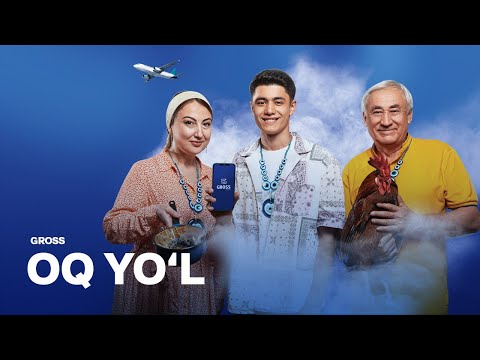
The Execution (Problem-Solution-Proof): The execution follows a classic narrative structure. It opens by humorously establishing the Problem: a family is going through absurd, chaotic rituals to ensure a safe trip. The smoke, the rooster, the charms—it's portrayed as well-intentioned but ultimately inefficient. This frames superstition not as sacred, but as a hassle. The Solution arrives with the younger, modern son. He doesn't mock his parents' desire for safety but instead offers a better tool for the job: the GROSS insurance policy, conveniently on his phone. The masterstroke is in the branding—renaming the policy "Oq Yo'l" (a traditional blessing for a good journey) transforms it from a cold financial product into a warm, familiar concept. [2] It becomes the modern evolution of the old charms. The final part of the video provides the Proof: the case study elements. We see the integrated campaign in action—smoking billboards that physically manifest the central idea, social media buzz, and influencer content. Crucially, it ends with hard numbers: a 317% sales increase, proving the campaign's commercial effectiveness. [5]
The Debrief: The key lesson here is the power of cultural fluency. This campaign worked because it spoke the local language, both literally and figuratively. It didn't try to impose a generic, globalized message about risk management. Instead, it found a point of connection within the existing culture and built its entire strategy around it. It demonstrates that the most powerful competitor isn't always another company, but the status quo. To beat it, you have to understand it, respect it, and then offer a genuinely better alternative that feels like a natural next step, not a radical departure.
Theme Keywords
Brand Position
The smart, culturally-aware choice for modern Uzbeks who want real peace of mind.
Brand Archetype
The Sage
Creative Game Plan
Reframe insurance as the most effective modern-day version of the traditional good luck charms that travelers already trust.
Diagnosis: Issues & Solutions
Primary Issue: Emotional Connection
The Problem:
The campaign's humor relies on portraying traditional beliefs as slightly absurd. While effective, this risks alienating the very audience it seeks to convert by making them feel their long-held customs are being mocked, however gently.
The Solution:
Future campaigns could evolve the message to one of 'both/and.' Frame the insurance not as a replacement for tradition, but as a modern supplement to it, honoring the spirit of the rituals while adding a layer of practical security.
Secondary Issue: Strategic Sense
The Problem:
The campaign is so successful and tied to this one specific cultural insight ('Oq Yo'l' for travel) that the brand risks becoming a one-trick pony. The creative idea is brilliant for travel insurance but may not be easily extendable to their other insurance products (auto, property, etc.).
The Solution:
Broaden the platform from 'the best good luck charm' to a more encompassing idea like 'Modern protection for modern Uzbekistan.' This would allow GROSS to use other cultural insights to launch other products without diluting the power of the 'Oq Yo'l' campaign.