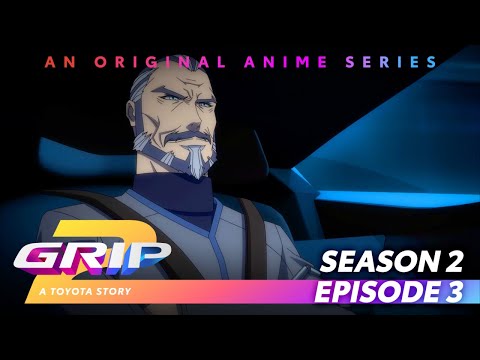
GRIP Anime Series | Season 2 Episode 3 | The Decision | Toyota - Ad Analysis

AI Editor notes
Straight from the gut!!
“This is a serious, long-term investment in branded content. Creating a whole narrative series is a smart play to target a younger audience that's immune to traditional ads. But I have to ask: is anyone outside the die-hard car and anime niche actually watching? It feels like a brand trying very hard to be cool, and the serialized format demands a lot of commitment. Does it actually sell cars, or just entertain a very specific segment?”
Quick Summary
Toyota is bypassing traditional car commercials entirely, opting instead to build an entire fictional universe through an anime series. This strategy uses the cultural currency of anime to embed its GR performance brand directly into the world of its target Gen Z audience, making the cars the heroes of a story rather than just products in an ad. [1, 2, 10]
Executive Summary
This episode of Toyota's 'GRIP' is a textbook example of content marketing replacing traditional advertising. The core insight is that to capture the loyalty of a cynical Gen Z audience, you can't just sell them a car; you have to sell them a world they want to be a part of. [2, 10] Toyota has correctly identified that for a significant segment of young consumers, particularly those with an interest in Asian-American pop culture, anime is not just entertainment but a core part of their identity. [1, 7] By creating a high-quality anime series, Toyota isn't just advertising to this culture; it's actively contributing to it, building brand equity with every view.
The execution follows a classic content marketing structure designed for episodic engagement. It begins with a powerful Hook: the first nine seconds are a flurry of action, showcasing the protagonist, Linh, and her red GR Supra in a stylish, futuristic race. This immediately signals the genre and grabs the target viewer. The Value is delivered through the narrative itself—a mini-story of intra-team rivalry, determination, and sportsmanship, culminating in a face-off against the series' main villain. This plot provides the entertainment that justifies the viewer's time. The Proof is woven implicitly throughout the story. The Toyota GR Supra isn't just present; it's the hero's chosen vehicle, the tool for achieving her goal. Its performance is validated by its role in the narrative, a far more powerful endorsement for this audience than a list of specs. Finally, the Ask is not 'buy a car,' but 'watch the next episode.' The cliffhanger ending is a deliberate mechanism to drive deeper, sustained engagement with the brand's content ecosystem.
The key learning from this campaign is the power of trading reach for resonance. While a traditional car ad might be seen by more people, it's also likely to be forgotten by most. 'GRIP' focuses on forging a strong, memorable connection with a specific, high-value community. By creating entertainment that this audience would seek out on its own, Toyota embeds the GR brand in a positive, exciting context, building advocates who will carry the brand's 'cool factor' far more effectively than any paid media campaign could. It's a long-term play that prioritizes cultural relevance over short-term sales metrics, a strategy more brands should be brave enough to adopt.
Theme Keywords
Brand Position
Toyota GR: Where real-world performance meets the aspirational fantasy of Japanese car culture.
Brand Archetype
The Hero
Creative Game Plan
Embed the Toyota GR brand into the heart of youth culture by creating an authentic anime series that car enthusiasts and anime fans will genuinely want to watch.
Diagnosis: Issues & Solutions
Primary Issue: Emotional Connection
The Problem:
For a viewer encountering this episode as a standalone ad, the emotional investment is limited. The characters and their motivations lack immediate weight without the context of previous episodes, making the drama feel somewhat generic and reliant on tropes.
The Solution:
Incorporate a 3-5 second 'Previously on GRIP...' montage at the start of the ad. This would rapidly onboard new viewers, establish the core conflict and character dynamics, and give the emotional stakes of this specific episode greater impact.
Secondary Issue: Clarity of "What's Next?"
The Problem:
The call-to-action is effective at keeping viewers within the YouTube ecosystem but misses a crucial opportunity to connect the fantasy of the show to the tangible product. There is a disconnect between the hero car in the anime and the real car in the showroom.
The Solution:
Enhance the end-card with a QR code or a clickable link that takes viewers to a 'Meet the Hero's Car' page on the Toyota website. This page could feature the real-world specs of the GR Supra, connecting the aspirational excitement of the anime directly to a product.
Additional Notes
Related Links
Credits
Share this Analysis
More Toyota ad breakdowns
- Hum Hai Fuel-Efficient. #HumHaiHybridToyota
- Hum Hai Green. #HumHaiHybridToyota
- Take the HY road with the all-new Toyota Urban Cruiser HyryderToyota
- Hum Hai Affordable. #HumHaiHybridToyota
- Over 10 years of Hybrid Leadership in India | #ToyotaIndiaToyota
- Hum Hai Hybrid. Hum Hai Young. #HumHaiAwesomeToyota
- GRIP Anime Series S1 | Teaser | ToyotaToyota
- Toyota | Find Your Drive | Case FilmToyota