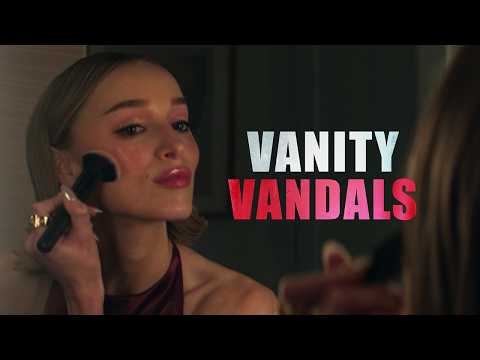
Vanity Vandals - Ad Analysis

AI Editor notes
Straight from the gut!!
“A nine-minute ad has no right holding attention this well, but the deadpan commitment to prestige true-crime tropes makes it work. Casting Phoebe Dynevor to play an unrepentant blush hoarder against serious procedural actors turns what could have been a dry value pitch into pure entertainment.”
Quick Summary
e.l.f. smartly reframes a widespread domestic pain point—cluttered bathroom sinks—from compulsive clutter into an empowering celebration of creative access and unbeatable product affordability.
Executive Summary
The core insight driving 'Vanity Vandals' stems from an everyday social truth: shared bathroom countertops are battlegrounds where makeup lovers accumulate massive volumes of products. Instead of viewing bathroom clutter as careless hoarding, e.l.f. recognizes that consumers collect multiple shades and formulas because the brand's low price point makes experimentation financially viable.
Executing this narrative through the Setup–Turn–Payoff structure, the film opens with the setup of a serious procedural thriller. Detective Bob Fleck and behavioral profiler Dr. Erika Sparrow investigate a suburban crime scene draped in yellow police tape, where cosmetic bottles and brushes are marked as evidence numbers 1 through 7. The narrative establishes marital tension between Dante and Maya Formosa, treating Maya's countertop sprawl as criminal pathology.
The turn arrives when Dr. Sparrow interrogates Maya and subsequently consults the exiled beauty icon Tigris Archimedes. Archimedes dismantles the psychological profile, explaining that layering, lighting shifts, and cheek aesthetics require precise, distinct tools. In the interrogation room, Maya dumps the evidence bag on the table and demonstrates sunset blush, boyfriend blush, and ombré blush techniques, showing that each item has a dedicated functional purpose.
The payoff crystallizes on the detective's evidence board. Connecting receipt totals of $4 to $11 with red string to product snapshots, the investigators realize that Maya is not guilty of excess; e.l.f. is guilty of democratizing prestige formulations at accessible prices. A tongue-in-cheek disclaimer closes the piece, stating that e.l.f. accepts full responsibility for the epidemic.
The strategic debrief for marketing leaders is evident: long-form branded content works when brands respect storytelling conventions. By committing fully to cinematic direction, high-caliber casting, and straight-faced parody, e.l.f. earns consumer attention without alienating its audience with transparent sales pitches.
Theme Keywords
Brand Position
The cultural champion of premium-quality cosmetics made universally accessible.
Brand Archetype
Everyman / Jester
Creative Game Plan
Parody prestige streaming true-crime documentaries to reframe bathroom vanity clutter as an innocent symptom of accessible beauty.
Diagnosis: Issues & Solutions
Primary Issue: Clarity of "What's Next?"
The Problem:
At nine and a half minutes, the narrative wraps without an integrated commercial bridge or clear prompt directing viewers from video consumption to product discovery.
The Solution:
Introduce interactive end-screen overlays or subtle episodic chapters that invite viewers to explore curated 'evidence bundles' directly on digital storefronts.
Secondary Issue: Strategic Sense
The Problem:
The middle sequence featuring Tigris Archimedes slightly slows narrative momentum before returning to the central dynamic between Maya and the profiler.
The Solution:
Tighten the guru segment to keep the investigation focused tightly on consumer application techniques.
Additional Notes
Credits
Share this Analysis
More e.l.f. Cosmetics ad breakdowns
- Halo Glow Liquid Filter: Not a One-Trick Pony (Full Version)e.l.f. Cosmetics
- What the h.e.l.f.? | e.l.f. Hair Launche.l.f. Cosmetics
- In e.l.f we Trust | e.l.f Cosmetics Game Day Commercial 2024e.l.f. Cosmetics
- e.l.f. Presenta: Melisae.l.f. Cosmetics
- Melisa: The e.l.f.enovelae.l.f. Cosmetics
- Lakmé Absolute Matte Revolution Lipstick | #FreeYourLipsLakmé
- This festive season we have got #RedsForAll! Have you found yours?Lakmé
- Lakmé 9 to 5 Lip & Cheek ColorLakmé