Dear Seattle | Dreamcatcher (A film by Matty Brown) | Seattle Story Award Winner - Ad Analysis

AI Editor notes
Straight from the gut!!
“This is beautiful, but is it effective marketing? As a 4.5-minute art film, it feels more like a film festival entry—which it was—than a tool to drive bookings. It's high on brand-building artistry but very low on commercial urgency. Who is the target that will sit through this without a compelling reason? It's gorgeous, but potentially forgettable in the way many abstract, beautiful films are.”
Quick Summary
This isn't a tourism ad; it's a poetic, cinematic attempt to define the soul of Seattle by weaving a personal, intergenerational story rooted in Native American heritage with impressionistic visuals of the city's unique blend of nature and urban life. It's an ambitious piece of brand building that sells a feeling, not just a destination.
Executive Summary
Visit Seattle’s "Dreamcatcher" is less of an advertisement and more of a short film that functions as a piece of high-concept brand building. Rather than showcasing a checklist of tourist attractions, it attempts to sell the intangible: the very soul of the city. The strategy is to move beyond the stereotypical perceptions of Seattle—rain, coffee, tech—and establish a deeper, more profound emotional connection with potential visitors, positioning the city as a place of authentic experiences and personal transformation.
The core insight driving the work is that a city's identity is not defined by its landmarks, but by the collection of stories, memories, and feelings it holds. To truly market Seattle, the campaign needed to let viewers feel the city's spirit, not just see its sights.
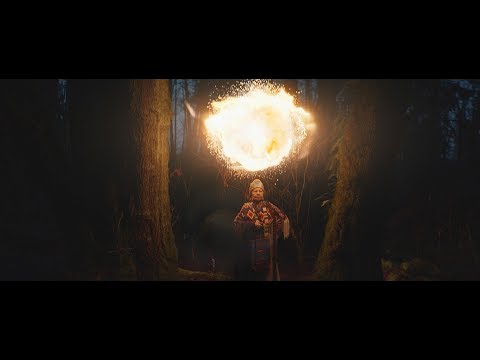
The execution follows a poetic, non-linear narrative arc that can be broken down into four phases: Immersion, Exploration, Connection, and Legacy. It begins by immersing the viewer in a moody, atmospheric world, guided by the contemplative voice of a Native American elder. This immediately frames Seattle not as a bustling city, but as a place of history and reflection. The second phase, Exploration, brings this to life through the eyes of a child—the elder’s past self—experiencing the city’s blend of nature and urbanity with a sense of wonder. Scenes of her running on the beach and flying a kite against the skyline anchor the poetic narration in tangible moments of joy. The third phase, Connection, broadens the scope from the individual to the community, showing diverse groups of people finding friendship, love, and belonging, suggesting Seattle is a place where different 'colors' come together. The final phase, Legacy, brings the story full circle. The elder passes on her story not through words, but by showing it, symbolized by a flock of paper airplanes soaring through the forest. The payoff is the idea that Seattle's story is continuous, and the only way to understand it is to become part of it by visiting.
The debrief for the creative team is that this kind of emotional, story-driven marketing can be incredibly powerful for building a premium brand identity. It successfully differentiates Seattle from competitors by creating a unique, soulful positioning. However, the significant risk is alienating a broader audience that may not have the patience for a 4.5-minute art film. It’s a masterclass in brand-love, but a poor lesson in direct-response marketing.
Theme Keywords
Brand Position
Seattle is not just a city; it's a living entity with a deep soul, where nature, culture, and personal stories intertwine.
Brand Archetype
Sage
Creative Game Plan
Show, don't tell, the soul of Seattle by weaving a poetic, dream-like visual story around the memories and legacy of a Native American elder.
Diagnosis: Issues & Solutions
Primary Issue: Strategic Sense
The Problem:
The film does an excellent job of selling the 'why' (Seattle has a deep, soulful character) but completely neglects the 'how' or 'what'. It creates a powerful feeling of inspiration but provides no clear pathway for a potential traveler to act on that inspiration, leaving them with an emotion but no itinerary.
The Solution:
Complement the high-level brand film with a tactical content series under the same 'Dreamcatcher' theme. For example, create short videos or articles like 'Find Your Beacon: A Guide to Seattle's Lighthouses' or 'Where Souls Connect: A Tour of Seattle's Coziest Cafes,' directly linking the film's abstract concepts to bookable, tangible experiences.
Secondary Issue: Clarity of "What's Next?"
The Problem:
There is no call to action. For a piece of content funded by a destination marketing organization, this is a fundamental miss. The film ends abruptly after the logos, leaving the viewer's journey incomplete and failing to capture the interest it worked so hard to generate.
The Solution:
Incorporate a simple, unobtrusive end card with a clear URL and a compelling tagline. A simple screen with text like, 'Your story is waiting. Plan your journey at VisitSeattle.org/stories,' would bridge the gap between inspiration and action without undermining the film's artistic feel.
Additional Notes
Related Links
Credits
Share this Analysis
More Visit Seattle ad breakdowns
- Visit Seattle | Let's Unwrap This Town | Magic in the MarketVisit Seattle
- Dubai: A Captivating Saga | Zac Efron & Jessica AlbaVisit Dubai
- Waterfail | Scenic Silver Run Falls | For Real, Visit NCVisit North Carolina
- Ravensburg - Better than everStadt Ravensburg
- Morocco - Kingdom of LightVisit Morocco
- Cycling the Classics with Belgian Fries and Belgian Beers | Cycling in Flanders | Discover Belgium 🚲Cycling in Flanders
- My Island Adventure: The SeaQuelSentosa
- Boston Harbor Cruises Whale WatchBoston Harbor Cruises