Deadpool & Wolverine & Chicken Strips - Ad Analysis

AI Editor notes
Straight from the gut!!
“It's smart, it's cheap, and it works. This is classic Maximum Effort. Why spend millions on a complex story when you can get Deadpool to make fun of your own ad for 15 seconds? It respects the audience's intelligence—we know it's a tie-in, they know it's a tie-in, so they make that the joke. It's the perfect handshake between a challenger fast-food brand and a disruptive movie franchise.”
Quick Summary
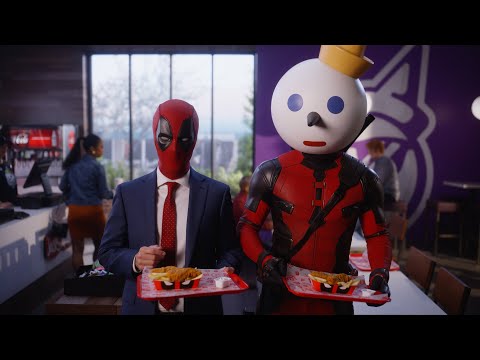
This is a masterclass in efficient co-branding. By using Deadpool's signature self-deprecating humor to poke fun at the ad itself, Jack in the Box leverages the movie's massive cultural hype to make a simple product deal feel clever, relevant, and perfectly aligned with both brands' irreverent personalities.
Executive Summary
This Jack in the Box and 'Deadpool & Wolverine' collaboration is a textbook example of modern, culturally-attuned advertising. It’s not just a logo-slap or a toy in a kids' meal; it’s a genuine fusion of brand personalities. The core insight driving this campaign is that audiences, particularly the cynical, media-savvy demographic that loves Deadpool, are tired of lazy corporate tie-ins. The strategy, therefore, is to lean into that cynicism and make the advertisement's own lack of a 'big idea' the central joke.
The execution follows a simple but effective Hook-Value-Ask structure, optimized for short-form video. The Hook is immediate and visual: Deadpool and the Jack in the Box mascot, an odd and instantly intriguing pair, standing in a restaurant. This is enough to stop a user from scrolling. The Value is delivered through humor. Instead of a hard sell, the ad provides entertainment by having Deadpool critique the very concept he's a part of. When he says, "This wasn't good... Anything would be better," he’s voicing the audience's potential skepticism, which paradoxically makes the ad more likable and trustworthy. The final five seconds deliver the Ask: a clear product shot, name, and price point ("Spicy Chicken Strips Starting at $5"), followed by the co-branded logo lockup. It’s a transaction: we gave you a chuckle, now here's what we're selling.
The debrief for the team that created this should be centered on the power of synergy. This works because Jack in the Box has spent years cultivating a 'challenger' brand persona that is slightly offbeat and irreverent. Deadpool is the ultimate irreverent character. The overlap is perfect. Had a more earnest brand like McDonald's attempted this, it would have felt dissonant. The key learning is that the most effective co-branded campaigns aren’t just about shared audiences; they’re about shared attitudes. This ad doesn't feel like a forced marketing obligation; it feels like a natural conversation between two entities that speak the same language.
Theme Keywords
Brand Position
The fast-food choice for those who crave something a little different and appreciate an irreverent attitude.
Brand Archetype
Jester
Creative Game Plan
Leverage Deadpool's signature meta-humor to execute a movie tie-in that is self-aware, making the promotion itself the punchline.
Diagnosis: Issues & Solutions
Primary Issue: Clarity of "What's Next?"
The Problem:
The ad's primary weakness is a slightly diluted call-to-action inherent in co-branded campaigns. Is the main goal to sell chicken strips, drive ticket sales for the movie, or get app downloads? By trying to serve two masters (Jack in the Box sales and Marvel promotion), it doesn't push one single action with maximum force.
The Solution:
For future co-promotions, attempt to create a single, unified call-to-action. For instance, a deal that explicitly links the two, such as "Show your 'Deadpool & Wolverine' ticket stub for a free side of Spicy Chicken Strips," would create a stronger, more integrated user journey.
Additional Notes
Related Links
Credits
Share this Analysis
More Jack in the Box ad breakdowns
- The Spiciest Player in the GameJack in the Box
- McVeggie + Coke Zero @ Just ₹149!Coca-Cola
- KFC Howzzat- Match DayKFC
- Pizza Hut Javenge, 99 Mein Khavenge | Ad feat. Bhuvan Bam | Tastiest Pizzas Now @99 by Pizza HutPizza Hut
- KFC - 83 FilmKFC
- KFC Epic Savers 20s | KannadaKFC
- Pizza Hut's new MELTS - Crispy, Cheesy, Loaded @Rs 169Pizza Hut
- Pizza Hut Javenge, 99 Mein Khavenge | Ad feat. Bhuvan Bam | Tastiest Pizzas Now @99 by Pizza HutPizza Hut