Dainik Bhaskar Sarthak Deepawali I 🪔Diwali 2024🪔 #SochBadlo #ListBadlo - Ad Analysis

AI Editor notes
Straight from the gut!!
“It's the standard festive season 'do-gooder' template. Is it effective? Mildly. Is it original? Not at all. The execution is clean, but it feels like a dozen other ads from the Diwali feel-good playbook. It's safe, heartwarming brand-building that's hard to dislike but also hard to remember specifically. Is this changing anyone's mind, or is it just a pat on the back for the brand and its audience?”
Quick Summary
This ad's core message is that true festive joy comes not from consumerist wishlists but from giving to those who have nothing. By pivoting from a family's personal desires to the needs of underprivileged children, Dainik Bhaskar positions itself as a catalyst for a more meaningful, empathetic celebration of Diwali, reinforcing its brand as socially conscious.
Executive Summary
Dainik Bhaskar's 'Sarthak Deepawali' is a textbook example of festive season, purpose-driven marketing. The film operates on a simple, yet potent, human insight: during the consumerist frenzy of festivals, the most profound joy often comes from generosity, not acquisition. The ad aims to elevate Dainik Bhaskar from a mere news provider to a socially conscious leader that guides its readers toward more meaningful values. The campaign was created by the agency One Advertising & Communication Services Limited. [3, 4, 5, 6]
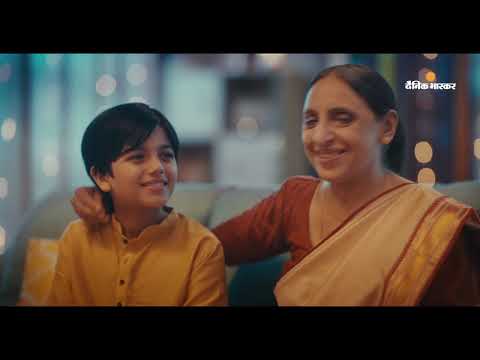
The execution uses a classic Setup–Turn–Payoff narrative structure that works efficiently within its 60-second runtime. The Setup (0:00-0:22) establishes a relatable, modern family dynamic focused on material desires—a gaming console, a new phone. This creates a familiar baseline of middle-class consumerism. The Turn (0:23-0:38) is the film's emotional core, masterfully delivered by the grandmother. When asked for her wishlist, she lists items not for herself, but for underprivileged children. Her line, "These are the children whose names are on no one's list," instantly reframes the entire concept of a Diwali list from one of receiving to one of giving. This is where the ad's central idea lands. The Payoff (0:39-0:59) resolves the emotional arc. The children, inspired by their grandmother's selflessness, willingly sacrifice their own wishes. The family unites around this new, altruistic purpose, and the campaign tagline, '#ListBadlo' (Change the List), provides a clear, actionable summary of the film's message. [3, 5]
The debrief for the creative team would be a story of successful emotional engineering but missed strategic opportunity. The ad effectively creates a warm, positive feeling, aligning the brand with universally approved values of family and charity. However, its greatest weakness is its generic nature. The story has no intrinsic link to Dainik Bhaskar's identity as a newspaper. By only placing the brand at the very end, the film feels interchangeable with any other corporate entity's CSR message. The key learning is that while emotional storytelling is effective, the strongest brand-building integrates the brand's purpose into the narrative, rather than simply signing off on a pleasant story.
Theme Keywords
Brand Position
The socially conscious voice of the Indian heartland.
Brand Archetype
The Sage / Caregiver
Creative Game Plan
Juxtapose the familiar, materialist wishlists of Diwali with the quiet, selfless generosity of a matriarch to redefine a 'meaningful' celebration.
Diagnosis: Issues & Solutions
Primary Issue: Strategic Sense
The Problem:
The ad is strategically generic. It could have been produced by any corporation wanting to signal virtue during Diwali. There is no connection to Dainik Bhaskar's core product or purpose—being a newspaper—making the message feel borrowed rather than owned.
The Solution:
Integrate the product organically. For example, the grandmother's inspiration could have come from an article she read in the Dainik Bhaskar newspaper about local children in need. This would have grounded the altruistic act in the brand's function as an entity that informs and connects the community.
Secondary Issue: Clarity of "What's Next?"
The Problem:
The call to action '#ListBadlo' is a powerful sentiment but an ambiguous instruction. It inspires a feeling but leaves the viewer with no clear, tangible way to act on that feeling through the brand.
The Solution:
Provide a concrete pathway for action. The campaign could have partnered with an NGO and ended with a simple message like, 'Start your new list. Scan here to donate a gift via our partner foundation.' This would convert emotional energy into measurable impact and deepen the brand's role.