Dacia Duster €5 a day - The Magazine - Ad Analysis

AI Editor notes
Straight from the gut!!
“This is smart, simple, and effective. It doesn't try to be a sweeping emotional epic; it's a single-minded retail ad with a great comedic twist. Transposing a new-car owner's excitement onto a magazine is a clever bait-and-switch that lands the price point perfectly. The deadpan delivery is what makes it work. Solid, no-nonsense advertising for a no-nonsense brand.”
Quick Summary
This ad brilliantly simplifies Dacia's core value proposition—shocking affordability—by creating a funny, memorable metaphor that makes the price tangible and the product feel like an incredible deal. It’s a masterclass in single-minded, benefit-driven communication.
Executive Summary
Dacia's 'The Magazine' is a sharp, efficient piece of advertising that understands its job and executes it with precision. It operates on a simple, powerful insight: most people perceive a new car as a massive, intimidating purchase, but when you reframe the cost into a small, daily expense, the barrier to entry collapses. The ad's success lies in how it dramatizes this reframing not with charts or boring voiceovers, but through a clever and relatable comedic scenario.
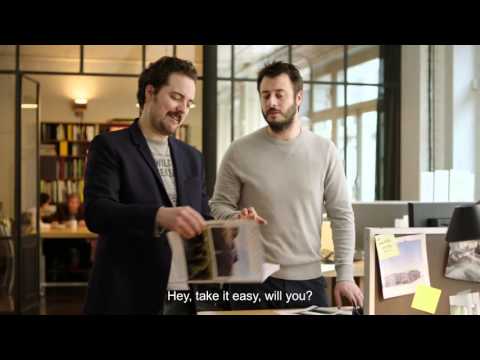
The creative execution follows a classic Setup–Turn–Payoff structure. The Setup (0:00-0:15) places us in a familiar office environment. The absurdity begins immediately as one man reacts to his colleague's magazine with the reverence one might reserve for a supercar, praising its 'metallic paintwork' and 'four-wheel drive.' The humor is born from the disconnect between the object and the reaction. The Turn (0:15-0:24) escalates the joke. The magazine's owner becomes protective, reinforcing its perceived value, culminating in the final absurd feature: a 'leather steering wheel.' This moment solidifies the bizarre premise, leaving the audience to wonder what is actually going on. The Payoff (0:25-0:32) is perfectly timed. The voiceover delivers the simple, clarifying punchline: 'Drive a Dacia for the price of a magazine.' The visual cut to the actual Dacia Duster, accompanied by the explicit '€5 a day' offer, resolves the comedic tension and lands the strategic message with force. The entire ad is a misdirection that leads to a powerful point.
What the team should learn from this is the power of a single-minded idea. Dacia's brand is built on affordability. Instead of just stating the price, the agency created a tangible, humorous metaphor that makes the value proposition memorable and shareable. It proves that retail-focused, performance-driven advertising doesn't need to be dry or uninspired. By respecting the audience's intelligence and using humor, Dacia makes its core selling point not just clear, but also entertaining.
Theme Keywords
Brand Position
Dacia owns the position of being the smartest, most refreshingly honest and affordable choice for a new car.
Brand Archetype
The Everyman: unpretentious, relatable, and pragmatic.
Creative Game Plan
Dramatize the Duster's shocking affordability by showing someone treating an equally-priced everyday item with the reverence and excitement typically reserved for a luxury car.
Diagnosis: Issues & Solutions
Primary Issue: Emotional Connection
The Problem:
The ad is exceptionally strong at communicating rational value but does little to build an emotional connection to the product experience. The feeling is 'what a great deal,' not 'I can't wait to go on an adventure in that Duster.'
The Solution:
A follow-up spot in the campaign could show the same characters now enjoying the actual Duster, making the tangible benefits of ownership feel just as good as the price.
Secondary Issue: Clarity of "What's Next?"
The Problem:
The ad presents a compelling offer but lacks a direct, frictionless call to action. It relies on the viewer to take the next step of seeking out a dealer or website on their own.
The Solution:
Add a simple, clear URL (e.g., Dacia.fr) to the final frame to immediately direct interested customers to the online offer page, reducing friction and capitalizing on the interest generated.