Code of Conscience - Raoni Metuktire - Ad Analysis

AI Editor notes
Straight from the gut!!
“This is a beautiful, powerful piece of communication. It's the kind of work agencies dream of making. But is it a real-world solution or just an award-show case study? The idea is so clean it feels almost frictionless. The skeptic in me questions if a piece of open-source code can truly stand in the way of the multi-billion dollar forces driving deforestation. It's incredibly inspiring, but the path from this film to a real-world shutdown of a bulldozer feels very, very long.”
Quick Summary
This campaign's power comes from reframing an overwhelming, complex environmental problem into a brilliantly simple, elegant technological solution. It uses the unimpeachable moral authority of an indigenous leader to introduce a 'conscience' not for the people, but for the machines they use, making the abstract idea of corporate responsibility feel tangible and actionable.
Executive Summary
The 'Code of Conscience' film is a masterclass in modern, purpose-driven advertising. It avoids the common pitfall of overwhelming viewers with guilt and instead offers a tangible, almost poetic solution. Its strategic foundation rests on a powerful core insight: you can't force a conscience upon those who lack it, but you can program one directly into the tools they use for destruction.
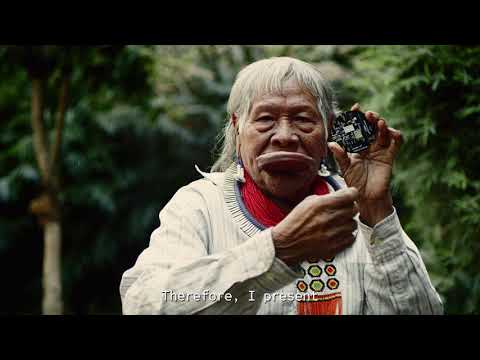
The execution follows a classic Problem-Solution framework, delivered with emotional weight and intellectual clarity. The setup is handled by Chief Raoni Metuktire, who serves as the film's moral and emotional anchor. [3] His presence isn't a celebrity endorsement; it's an authentic plea from the heart of the conflict. He speaks of the forest as a living entity, establishing the profound stakes. The cinematography reinforces this, with lush, reverent shots of the Amazon contrasted with grainy, unsettling footage of its destruction. This grounds the problem in a visceral reality. The turn is the film's moment of genius. At 0:41, Raoni, a symbol of ancient tradition, holds up a piece of modern technology—a circuit board. This single image bridges millennia of wisdom with 21st-century innovation. He doesn't just ask for help; he presents the solution. The film then pivots its entire aesthetic, shifting from cinematic nature documentary to a clean, code-inspired explainer. This visual shift mirrors the strategic shift from an emotional problem to a logical solution. The payoff explains that the code is an open-source, GPS-enabled kill switch for heavy machinery entering protected lands. [6] It's democratic, accessible, and technologically sound. The call to action, while somewhat soft for a general audience, is clear: pressure manufacturers to adopt this code. The debrief for the creative team is clear: when tackling an intractable problem, reframe the point of intervention. Instead of trying to change the minds of millions, change the behavior of the machines. This film demonstrates that a powerful idea, embodied by an authentic voice and explained with absolute clarity, can make a complex technological solution feel like a simple, moral imperative.
Theme Keywords
Brand Position
The intelligent bridge between ancient wisdom and technological innovation for environmental protection.
Brand Archetype
The Sage (offering a profound solution) and The Magician (using technology to transform a situation).
Creative Game Plan
Use an unimpeachable moral authority to introduce a brilliantly simple technological 'hack' that can save the world's forests.
Diagnosis: Issues & Solutions
Primary Issue: Clarity of "What's Next?"
The Problem:
The primary weakness is the indirectness of the call to action for the average viewer. 'Spread the word' is a low-agency ask. The campaign's success hinges on influencing a few B2B decision-makers at companies like Caterpillar or Komatsu, yet it uses a B2C-style awareness film, creating a strategic disconnect.
The Solution:
Develop a specific, actionable tool for the public. For example, create a pre-populated form on the website that allows users to easily email or tweet at the top 10 manufacturers, turning passive awareness into focused, targeted pressure.
Secondary Issue: Strategic Sense
The Problem:
The campaign presents itself as a purely altruistic movement, which is inspiring but perhaps naive in a corporate context. It misses an opportunity to frame adoption of the code not just as a moral good, but as a smart business decision.
The Solution:
Create a parallel communications track aimed directly at manufacturers that highlights the PR and ESG (Environmental, Social, and Governance) benefits. Frame the 'Code of Conscience' as a brand safety tool that prevents their equipment from being featured in the next viral deforestation video, turning it from a cost into an insurance policy.