Claudia sings Sunshine on a Rainy Day (Full Version) | WaterAid - Ad Analysis

AI Editor notes
Straight from the gut!!
“Finally, a charity ad that doesn't feel emotionally manipulative. It's a smart move. For years, the sector has been stuck in a rut of sad music and guilt-tripping visuals that audiences have become numb to. [11] This feels different. Using a nostalgic pop song is a clever hook for a British audience, and reframing the narrative around hope and resilience is far more compelling. It makes the problem feel solvable and my potential donation feel impactful.”
Quick Summary
This ad succeeds by deliberately subverting the charity category's reliance on guilt. Instead of showing suffering to elicit pity, it uses the ironic joy of the song 'Sunshine on a Rainy Day' against a backdrop of hardship to demonstrate the transformative power of clean water. The strategy shifts the donor's motivation from alleviating sadness to investing in tangible happiness, making the call to action feel empowering rather than obligatory.
Executive Summary
In a sector saturated with images of despair, WaterAid's 2016 'Sunshine on a Rainy Day' campaign was a calculated and refreshing departure. Created by Atomic London, the ad consciously rejected the established formula of melancholic music and depictions of suffering that the public had become desensitized to. [5] Instead, it built a narrative of hope and resilience, demonstrating the impact of a donation rather than just the need for it. This strategic pivot from pity to empowerment is the cornerstone of its success.
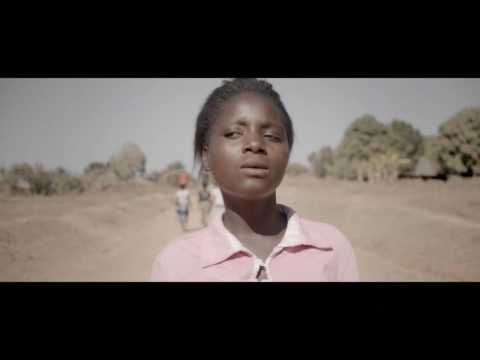
The core insight is that the true cost of the water crisis isn't just hardship; it's the theft of joy, community, and potential. The ad brings this to life through a simple, powerful narrative structure: Setup-Turn-Payoff. The Setup establishes a stark contrast between two worlds. It opens on a rain-streaked window in the UK, a familiar scene of gloom for the target audience, before immediately cutting to the sun-baked, arid landscape of Zambia where 16-year-old Claudia begins her long, daily walk for water. [3] The brilliant creative choice is having her sing an a cappella version of Zoë's 90s hit 'Sunshine on a Rainy Day'. This creates a powerful irony—a song of hope performed during a moment of struggle, instantly engaging a UK audience with a piece of their own pop culture. [5]
The Turn is the journey itself. As Claudia walks, her lone voice is joined by the sights and sounds of her community. We see others on the same journey, others tilling dry soil. The song's lyrics, 'make me feel like I belong... don't leave me here all alone,' are layered with new meaning. This isn't just a pop song anymore; it's a plea for community and a testament to endurance. The film uses naturalistic, handheld camerawork to create a sense of documentary truth, positioning the viewer as a witness to her daily life. [13]
The Payoff is one of the most effective reveals in modern charity advertising. Claudia arrives not at a muddy puddle, but at a functioning water pump. As the clean water flows, her solo performance blossoms into a joyous, full-throated chorus sung by the entire community. The visual palette shifts from dusty and muted to vibrant and colorful. The camera captures explosions of pure joy—splashing, laughing, and communal celebration. This is the 'sunshine'. It’s the direct result of the solution WaterAid provides. Only after establishing this profound emotional high does the ad present the problem (the statistic that 650 million people still lack clean water) and the solution (the text-to-donate call to action). [6]
The debrief for any team watching this is clear: emotional connection doesn't have to be rooted in sadness. By showing the 'after' instead of just the 'before,' WaterAid made the viewer's donation feel like an investment in a tangible, positive outcome. It changed the proposition from 'help them stop suffering' to 'help them have more of this joy.' It’s a masterclass in respectful, empowering, and effective storytelling.
Theme Keywords
Brand Position
WaterAid is the charity that delivers tangible joy and unlocks human potential through clean water.
Brand Archetype
Caregiver
Creative Game Plan
Juxtapose the hardship of life without water with an iconic, joyful pop song to demonstrate how providing clean water unlocks a community's inherent happiness.
Diagnosis: Issues & Solutions
Primary Issue: Strategic Sense
The Problem:
The ad's greatest strength—its positive framing—could also be a minor pitfall. For an audience conditioned by decades of urgent, crisis-driven charity appeals, the joyful tone might slightly diminish the perceived severity of the issue for a small segment of viewers, potentially reducing immediate, reactive donations from that group.
The Solution:
The final statistic is well-placed to counter this, but its screen time is brief. To enhance urgency without sacrificing the positive tone, a follow-up social media asset could feature Claudia speaking directly about how her life was *before* the pump, providing the 'before' and 'after' context more explicitly for those who want to dig deeper.
Secondary Issue: Clarity of "What's Next?"
The Problem:
The campaign's hashtag, #ShareSunshine, is thematically strong but lacks a clear, inherent action. It's a prompt to share the video, but it's less instructive than it could be in guiding audiences toward the ultimate goal of donation.
The Solution:
A slightly more action-oriented hashtag, like #GiveSunshine, could have more directly bridged the gap between sharing the positive feeling and making the donation that creates it, tying the social action more tightly to the fundraising goal.
Additional Notes
Related Links
Credits
Share this Analysis
More WaterAid ad breakdowns
- Innan är det aldrig försentStockholms Stadsmission
- Soles4Souls 'Doors of Opportunity' (60 seconds)Soles4Souls
- The Gift of TogethernessRonald McDonald House Charities
- Świąteczny sygnał SOSSOS Wioski Dziecięce
- Work for ALSALS Liga - Ligue SLA
- Leucan presents : The DefendersLeucan
- Christmas Kettle 2018: DinnertimeThe Salvation Army
- British Heart Foundation - Ramp Up The Red TV advertBritish Heart Foundation