Child Labor - Ad Analysis

AI Editor notes
Straight from the gut!!
“This is a very clever, award-show-friendly idea. It's 'platform activism' in a nutshell. But the execution as a case study film feels a bit sterile. The Windows Phone UI mockup is also a little distracting. I'm left wondering if this was a real, widely-used feature or just a smart concept created for a portfolio. If it was real and sustained, it's a solid piece of brand building.”
Quick Summary
This campaign's core strength is turning a passive app into an active tool for social change. By integrating a 'boycott' button to report child labor directly within its restaurant discovery platform, Zomato transformed its entire user base into a network of citizen watchdogs, embedding the brand's social conscience directly into its product utility.
Executive Summary
This Zomato initiative is a prime example of a brand moving beyond messaging and into meaningful action. Instead of merely producing an ad about child labor, the company created a tool against it. This shift from communication to utility is what separates modern, effective CSR from the checkbook philanthropy of the past.
The core insight here is that consumers, particularly in a socially-aware market like India, want to contribute to positive change but often lack a simple, direct mechanism. Zomato identified this friction and provided a solution that leverages its existing ecosystem. The brand isn't just asking for donations; it's empowering its users and integrating them into the solution, which fosters a much deeper sense of brand loyalty and shared purpose.
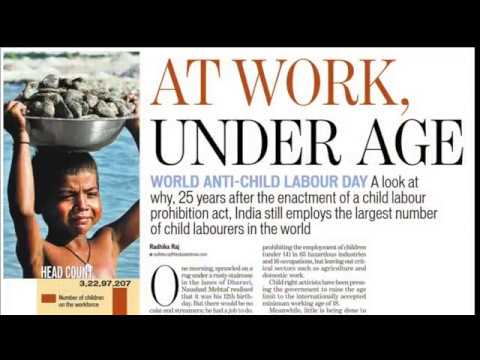
The execution follows a classic Problem-Solution case study narrative, clearly designed to explain the initiative's mechanics and impact. It opens by establishing the enormous scale of the problem with jarring statistics and imagery. This primes the audience to see the value in the solution that follows. The introduction of Zomato and its partner, Save the Children, positions the brand as a capable and credible agent of change. The walkthrough of the app functionality—the 'boycott' button—serves as the product demo, making the concept tangible. The visual of the app interface is critical, as it proves this isn't just an idea but a deployed feature. The payoff is a vision of collective action, where every Zomato user has the power to contribute to a 'better tomorrow.' The mixed-media approach, combining stark photography with clean animation and app mockups, allows the ad to convey both the gritty reality of the problem and the sleek efficiency of the tech-based solution. While the case study format can feel emotionally distant, its clarity and structure make the campaign's logic and value proposition undeniable. It's an ad built to persuade the mind more than the heart, showing competence and ingenuity as a form of corporate care.
Theme Keywords
Brand Position
Zomato is the food platform that actively works to better the communities it serves.
Brand Archetype
Caregiver
Creative Game Plan
Transform our app from a simple food utility into a powerful tool for social justice, empowering millions of users to help us eradicate child labor from restaurants.
Diagnosis: Issues & Solutions
Primary Issue: Emotional Connection
The Problem:
The video's greatest missed opportunity is its failure to bridge the gap between the massive, abstract problem ('60 million children') and a tangible, human story. The case-study format keeps the audience at arm's length, observing the problem and the solution rather than feeling the urgency.
The Solution:
Complement the 'how it works' video with a short, documentary-style film following the story of one child who was genuinely identified and helped through this app feature. Show their journey from labor to safety and education to make the campaign's impact personal and deeply resonant.
Secondary Issue: Strategic Sense
The Problem:
The campaign feels like a moment-in-time initiative rather than a permanent brand commitment. A viewer in 2025 has no idea if this feature still exists, which risks making the effort feel like a short-term PR play for awards rather than a sustained mission. [1]
The Solution:
Create a permanent, easily accessible section on the Zomato website or app that details the ongoing results of the partnership with Save the Children. A public-facing dashboard showing real-time or updated statistics would build long-term trust and prove the initiative's lasting impact.
Additional Notes
Credits
Share this Analysis
More Zomato ad breakdowns
- Secret Behind Bengaluru’s Weather Revealed | Dino Morea | @NiharikaNm | @Jordindian | ZomatoZomato
- Fuel Your Hustle feat. Shah Rukh Khan, Mary Kom, AR Rahman, Jasprit Bumrah | ZomatoZomato
- What is Shahid Kapoor's Favourite 3 AM Meal? | YouTube Shorts | ZomatoZomato
- A Short, Sweet Love Story That Started With Biryani | Short Film | Youtube Shorts | ZomatoZomato
- Ab Indiaaa-India ka time hai! | Ranveer Singh | Chris Gayle | Zomato | Cricket World Cup 2023 🇮🇳Zomato
- Official Diwali Short Film | Piyush Mishra | ZomatoZomato
- Summa Semma Zomato (Official) | Anirudh Ravichander | ZomatoZomato
- For appa | Father's Day | ZomatoZomato