Celebrating 50 years of Lamborghini Japan - Ad Analysis

AI Editor notes
Straight from the gut!!
“This is a classic luxury car mood film. It's visually slick, sounds powerful, and does exactly what you'd expect. But let's be honest, it's also a bit of a creative shortcut. Slapping elemental themes on a product is advertising 101. It looks expensive and feels exclusive, which is the goal, but there's zero surprise or human warmth here. It's a beautiful, cold, and ultimately forgettable piece of brand content.”
Quick Summary
To celebrate its 50th anniversary in Japan, Lamborghini created an ultra-exclusive, five-car collection that fuses its aggressive Italian design with the philosophical concept of Japan's five natural elements. The campaign is less about selling cars to the masses and more about creating a high-art tribute to flatter and solidify its relationship with its wealthy, culturally-attuned Japanese client base.
Executive Summary
In this film for its 50th anniversary in Japan, Lamborghini opts for a strategy of cultural reverence fused with product fetishism. The core idea is to legitimize an Italian symbol of excess within a culture often associated with minimalism and nature, by finding a shared value: a respect for elemental power. The result is a visually polished but strategically safe piece that prioritizes aesthetic appeal over narrative depth.
The Core Insight: The simple human truth at play is that raw, untamable power, whether in nature or in a machine, is an object of universal fascination. The ad posits that the force of a Lamborghini is analogous to the elemental forces—Water, Earth, Fire, Wind, and Sky—that are central to Japanese philosophy. This insight allows the brand to position itself not as a foreign intruder, but as a kindred spirit that understands and respects the foundational principles of Japanese culture.
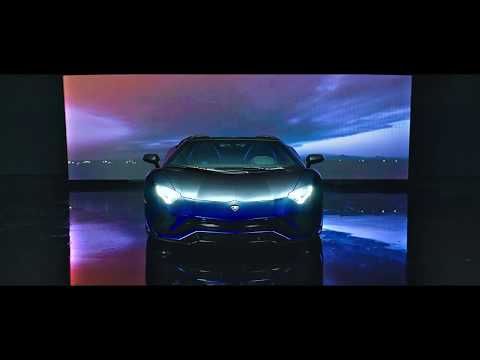
The Execution: The ad follows a clear reveal structure. It opens with a Hook of sensory stimulation—aggressive sound design and fragmented, extreme close-ups of the car's angular bodywork. This grabs the attention of the automotive enthusiast. The ad then builds Interest by introducing the core concept via on-screen text: 'WE WERE IMPRESSED BY JAPAN... BY ITS ELEMENTS.' This sets the stage for the main sequence, which aims to build Desire. Here, the film becomes a montage, matching each of the five bespoke car finishes to its corresponding element and Japanese Kanji character. The rapid cuts, dramatic lighting, and roaring engine sounds are all designed to make the car feel less like a vehicle and more like a mythical beast. The 'Action' phase is the weakest; the final card 'MEET THE ELEMENTS' is an invitation to admire, not to act. The final shot, which subtly places the Japanese flag's red sun behind the 'Sky' edition car, is a direct and clever visual homage to its target audience, sealing the intended message of tribute.
The Debrief: The creative team successfully produced a piece of content that feels premium, exclusive, and respectful. It achieves its narrow business goal of celebrating an anniversary and launching a hyper-limited product. However, the reliance on a well-worn creative trope (linking a product to the elements) prevents it from breaking new ground. The lesson here is that while this type of execution is effective for reinforcing existing brand perceptions among the faithful, it does little to attract a new audience or create a lasting cultural moment. It's a beautifully crafted compliment, but not a conversation starter.
Theme Keywords
Brand Position
The most theatrical and uncompromising of the world's supercars.
Brand Archetype
The Outlaw
Creative Game Plan
Demonstrate Lamborghini's reverence for the Japanese market by creating five bespoke supercars that embody the philosophical power of the nation's five natural elements.
Diagnosis: Issues & Solutions
Primary Issue: Emotional Connection
The Problem:
The film is emotionally sterile. By focusing entirely on the car as a flawless object and linking it to abstract concepts, it creates a sense of admiration but no genuine human warmth or relatability.
The Solution:
Incorporate a human element that embodies the spirit of Japanese craftsmanship. Feature a brief, stylized shot of a real Japanese artisan—a calligrapher painting one of the Kanji, for instance—drawing a visual parallel between their focused dedication and the creation of the car.
Secondary Issue: Clarity of 'What's Next?'
The Problem:
The campaign ends in a digital dead-end. After building interest in these five unique 'masterpieces,' it gives the viewer nowhere to go to learn more, squandering the engagement it created.
The Solution:
Add a simple, elegant URL to a dedicated microsite. This site could offer a deeper dive into the philosophy behind each of the five cars, showcase the craftsmanship, and tell the story of the 50-year anniversary, capturing viewer intent and providing a tangible next step.
Additional Notes
Related Links
Credits
Share this Analysis
More Lamborghini ad breakdowns
- Urus SE - Dare To Live MoreLamborghini
- Lamborghini Lanzador: Designed by new desiresLamborghini
- The Snowball: A Lamborghini Christmas StoryLamborghini
- Giro Polo Storico – The roar you hear is a heartbeatLamborghini
- Driving Humans BeyondLamborghini
- The brandnew and official Lamborghini Reventón Roadster film (HD!).Lamborghini
- The new Lamborghini Murciélago Superveloce in: "The art of speed".Lamborghini
- A true Christmas story for Lamborghini’s Real LoversLamborghini