Celebrate Gudi Padwa with Flipkart! - Ad Analysis

AI Editor notes
Straight from the gut!!
“This is a really clever piece of regional marketing. It doesn't just slap a Gudi Padwa banner on a generic sale ad; it digs into a genuine cultural insight—the specific, frantic hassle of festival prep. The generational storyline is a classic for a reason. It works. The whole thing feels authentic, from the Marathi language to the setting. My one concern is if the 70-second story is too slow for the impatient, skippable world of social media feeds.”
Quick Summary
This ad effectively positions Flipkart as the modern solution to a timeless problem. By showing three generations of a family struggling with the same last-minute chaos of festival shopping, it creates a powerful, nostalgic connection. The punchline—that today's generation can solve the problem instantly with Flipkart—lands perfectly, framing the brand not as a disruption to tradition, but as its essential enabler.
Executive Summary
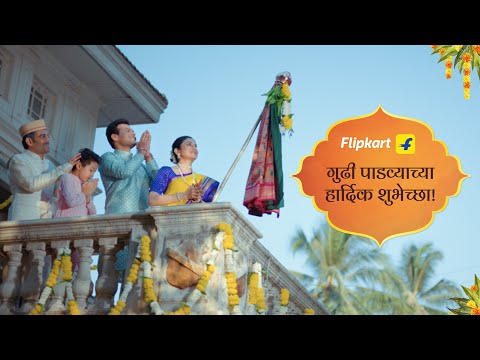
Flipkart’s “Celebrate Gudi Padwa” campaign is a sharp example of how to execute regional marketing with substance and heart. Rather than relying on superficial festive greetings, the ad is built on a simple, powerful human truth: the last-minute chaos of preparing for a festival is a tradition in itself. The campaign was conceptualized and produced by Wit & Chai Group to build strong brand affinity in the key market of Maharashtra. [1, 2, 3]
The execution follows a classic Setup-Turn-Payoff structure, which works well to build the narrative. The Setup spans two eras, 1975 and 2000. In each, we see the 'Bhole' family in the throes of Gudi Padwa preparations. A key item is inevitably forgotten by the man of the house, leading to a familiar scolding from his wife and the dispatching of their young son to the local market. This repetition is crucial; it establishes the problem as a recurring, generational pain point. The visual cues, from the vintage scooter and clothing in 1975 to the plaid shirt and newspaper in 2000, are authentic and anchor the story in a believable, nostalgic context. [5]
The Turn occurs in the 2025 segment. The familiar scene plays out—an item is forgotten—but the established pattern breaks. The son, instead of being sent on an errand, sits calmly with his smartphone. This moment creates narrative tension and signals a shift from the old way of doing things. The problem remains the same, but the solution is about to change.
The Payoff is clean and effective. The son orders the missing 'Kalash' on Flipkart, instantly resolving the issue that caused frantic running around for his father and grandfather. The final scenes show the entire family, now relaxed and happy, celebrating together. Flipkart isn't just a store; it’s the hero that preserves the joy of the festival by removing the friction. The tagline, “Aapla Flipkart” (“Our Flipkart”), masterfully positions the brand as a beloved, integral part of the family and tradition.
The key lesson from this ad is the power of hyperlocal insight. By focusing on a specific region (Maharashtra), language (Marathi), and cultural event (Gudi Padwa), Flipkart creates a connection that a generic, nationwide campaign could never achieve. [4, 5] It demonstrates that understanding the small, shared truths of a community is far more powerful than shouting about discounts.
Theme Keywords
Brand Position
Flipkart is the understanding e-commerce partner that simplifies the complexities of modern Indian life, allowing families to focus on the joy of tradition.
Brand Archetype
The Caregiver
Creative Game Plan
Demonstrate how Flipkart seamlessly resolves a timeless, generational festival hassle, making it an indispensable part of modern tradition.
Diagnosis: Issues & Solutions
Primary Issue: Strategic Sense
The Problem:
The ad's 71-second runtime, while effective for storytelling, is a significant risk in the context of skippable digital ads on platforms like YouTube and Instagram where attention spans are notoriously short.
The Solution:
Develop a suite of shorter, 15 and 30-second cutdowns. Each could focus on a single era (e.g., just the 1975 story) and cut immediately to the 2025 Flipkart solution, delivering the core message much more rapidly for pre-roll and feed-based placements.
Secondary Issue: Clarity of "What's Next?"
The Problem:
The final call-to-action screen, which displays multiple product categories (Ethnic Wear, Appliances, etc.), is informative but slightly generic and could feel unfocused to some viewers.
The Solution:
Leverage programmatic advertising to make the call-to-action dynamic. Serve versions of the ad where the final product shown is tailored to the user's recent browsing history on Flipkart, making the prompt to 'Shop Now' more personal and immediately relevant.
Additional Notes
Related Links
Credits
Share this Analysis
More Flipkart ad breakdowns
- Where Does Shraddha Shop for Ethnic Fashion?Flipkart
- Feel runway ready like Alia at India Ka Fashion Capital!Flipkart
- TVs that fit every budget! Only on Flipkart. #HarBudgetMeinQualityFlipkart
- EMIs now on Debit Card by Flipkart - India Chahe Jo, Hum Banaye Woh!Flipkart
- Are you buying a table, or a tabla? #BeFurniSureFlipkart
- Thank you to all those who made this happen, you know who you are 💛💜💚🧡Flipkart
- Flipkart Big Sale of Small ThingsFlipkart
- Flipkart Big Billion Days, Coming Soon!Flipkart