CAMPARI:"L'attesa". - Ad Analysis
 Pixloop Studio
Make ads like this in Pixloop Studio.

Create motion design videos you can edit.
Want an ad like this for your brand?
Pixloop Studio writes the script and generates the video. Sign up free and get 50 credits. No card needed.

AI Editor notes
Straight from the gut!!
“Okay, so they hired Joel Schumacher to make a Fellini-esque music video. It's beautiful, no question. The production value is off the charts. But it feels a bit... self-indulgent? It's selling a vibe so hard that it almost forgets to sell the drink. The connection between a baroque-meets-modern-rave and drinking Campari is a little thin. It's trying to be the coolest person at the party, but it might be trying too hard.”
Quick Summary
This ad successfully elevates Campari from a simple drink to a key ingredient in the sophisticated ritual of anticipation. By focusing on the exciting 'moment before' the party, it positions the brand not as the destination, but as the essential companion for the pleasure of the journey there. It's a pure brand-building play that sells an emotion—anticipation—rather than a product.
Executive Summary
Campari’s “L’attesa” is less of a commercial and more of a short film that functions as a moving piece of brand art. Directed by Hollywood veteran Joel Schumacher, the ad operates on a simple but potent philosophical insight: “The expectation of pleasure is itself a pleasure.” [1, 6] This isn't just a clever tagline; it’s the entire strategic and creative foundation of the piece, perfectly aligning the Campari brand with the cherished Italian tradition of the aperitivo—the ritual that precedes the main event.
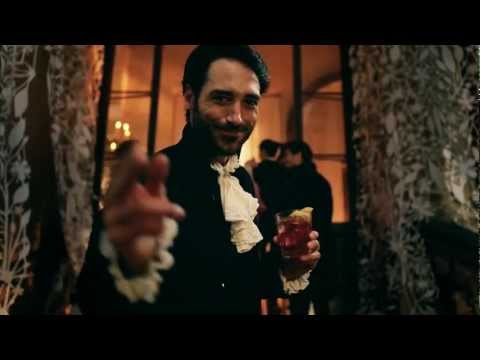
The execution follows a clear Hook-Value-Proof-Ask structure, albeit in a highly atmospheric way. The Hook is the stunning opening visual of a baroque villa at sunset, combined with the philosophical question posed by the voiceover. It immediately establishes a tone of cinematic luxury and intellectual curiosity. We're not being sold to; we're being invited into a story. The Value is delivered through the lush, unfolding narrative of a party in preparation. The ad presents the value proposition not as the drink itself, but as the feeling the drink facilitates: the sophisticated thrill of anticipation. We see a world where even the setup is an event—stylish, communal, and full of potential.
The Proof is embedded in the environment. The constant, artful presence of the color red, the knowing smiles of the beautiful cast, and the eventual reveal of the magnificent Campari bar all serve as proof that Campari is the catalyst for this elevated experience. The moment the music shifts from classical to electronic, the ad proves it can bridge the timeless with the contemporary, just as the brand itself aims to do. The final Ask is entirely implicit. By having the protagonist toast the viewer, the ad asks us to see ourselves in this world and to associate Campari with our own moments of pleasurable anticipation. The lack of a hard sell is a deliberate choice, reflecting the confidence of a market leader reinforcing its cultural territory rather than scrambling for sales.
The debrief for the creative team would be a positive one. They successfully translated a high-concept idea into a visually stunning film that feels premium and ownable to the brand. They resisted the urge to be literal, instead choosing to sell a mood. The collaboration with a high-profile director like Schumacher lent the project cinematic credibility, continuing Campari's long history of aligning with the arts. [14] The result is a piece that elevates the brand and solidifies its place not just in the bar, but in the culture of sophisticated leisure.
Theme Keywords
Brand Position
The indispensable catalyst for stylish anticipation and the embodiment of Italian 'Red Passion'.
Brand Archetype
The Lover (with elements of the Magician)
Creative Game Plan
Equate the feeling of drinking Campari with the sophisticated pleasure of anticipating a great event.
Diagnosis: Issues & Solutions
Primary Issue: Emotional Connection
The Problem:
The ad is so aesthetically perfect and cinematically cool that it can feel emotionally distant. The characters are more like beautiful props in a diorama than relatable people experiencing genuine emotion, making it a spectacle to be admired from afar rather than an experience the viewer feels invited into.
The Solution:
Introduce a single, micro-narrative within the larger montage. For example, briefly follow the story of two people who lock eyes during the setup and finally connect over a Campari at the end. This would ground the grand concept in a relatable human moment without sacrificing the overall style.
Secondary Issue: Strategic Sense
The Problem:
The ad's reliance on a philosophical quote, while clever, risks being too abstract for a broad audience. The connection between a German philosopher, a baroque party, and drinking Campari might be lost on viewers who aren't actively leaning in and paying close attention.
The Solution:
Simplify the voiceover's final lines to be more direct. Instead of quoting the abstract idea, land on a more brand-centric benefit like, 'The best moments start before they begin. Start yours with Campari.' This retains the core idea but makes the brand's role more explicit.