Cablevision: Father - Ad Analysis

AI Editor notes
Straight from the gut!!
“This is a classic for a reason. The setup is almost *too* much—the kidney donation is an absurdly high stake—but that's what makes the punchline work so well. It's a perfect encapsulation of teenage self-absorption and the modern hierarchy of needs. For a kid, bad Wi-Fi really *is* the end of the world. It’s a smart, funny, and painfully true observation that makes the brand feel like it just *gets* it.”
Quick Summary
This ad masterfully uses a bait-and-switch narrative, building an incredibly emotional story of a father's lifelong sacrifices—even donating a kidney—only to reveal that his teenage son's greatest source of anger is the unreliable internet. This lands a simple, powerful message: to a modern teenager, a fast, stable internet connection is the ultimate form of parental love, positioning Cablevision as the solution to a deeply relatable, modern family problem.
Executive Summary
This Cablevision spot from Tribal DDB Mexico is a textbook example of how to transform a functional product benefit into an emotionally resonant story. It operates on a simple, yet potent, human insight: the disconnect between what parents perceive as sacrifice and what children actually value in the moment. The ad succeeds not by listing speeds and data caps, but by dramatizing the emotional cost of getting the internet wrong.
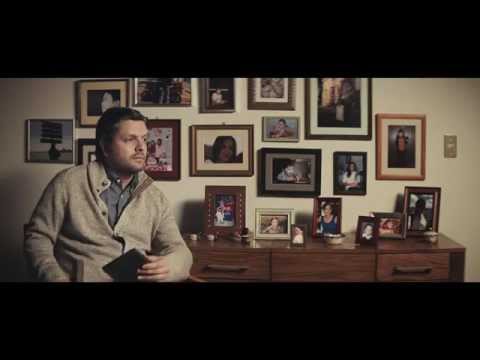
The execution follows a classic Setup-Turn-Payoff structure. The Setup is a nearly 50-second montage of profound fatherly devotion. We see the father battle rainstorms, soothe a sick baby, endure a bad Santa costume, and ultimately, donate a kidney to his son. Set to a tender cover of John Lennon's 'Beautiful Boy', the sequence builds a powerful emotional foundation, establishing the father as a selfless hero. The production quality, warm lighting, and nostalgic tone create a sense of genuine love and sacrifice. This long setup is a strategic risk, but it's essential for the payoff.
The Turn is swift and brutal. The voiceover pivots: 'Your kid only cares about one thing.' The music stops. The mood shatters. We are pulled from the warm past into the cold, harsh present of a teenager's bedroom. This sudden shift in tone is the critical moment that makes the ad work, creating immediate narrative tension.
The Payoff is the punchline. The son’s furious outburst, '¡Te odio!' ('I hate you!'), isn't about some deep-seated family trauma; it's because the internet dropped. The reveal of the father, fresh from surgery and holding a peace-offering sandwich, is the perfect visual gag. The ad lands its message: all your sacrifices are meaningless in the face of a bad connection. The tagline, 'Become the father you always wanted to be,' reframes the purchase of high-speed internet from a utility bill into an act of love.
The Debrief for the team is that emotional storytelling, when paired with a relatable, humorous insight, can make even a utility brand feel deeply human. The ad doesn't sell internet; it sells family harmony. The key lesson is that the perceived 'problem' from a brand's perspective (we need to sell connections) can be reframed through the customer's emotional lens (I just want my kid to not hate me). This repositioning from a technical solution to an emotional one is what gives the ad its power and memorability.
Theme Keywords
Brand Position
The internet provider that truly understands and solves the friction points of modern family life.
Brand Archetype
The Jester
Creative Game Plan
Dramatize the absurd gap between a parent's idea of sacrifice and a teenager's idea of a crisis to prove that reliable internet is the new currency of parental love.
Diagnosis: Issues & Solutions
Primary Issue: Emotional Connection
The Problem:
The ad's greatest strength is its comedic twist, but the 'I hate you!' line, while funny, is so harsh it risks making the son completely unsympathetic and could leave a slightly sour aftertaste for some viewers, momentarily undercutting the brand's feel-good resolution.
The Solution:
Soften the son's reaction slightly. Instead of 'I hate you,' a primal scream of frustration ('¡Nooooo!') followed by him complaining loudly to his dad about the internet would land the same comedic point without making him seem quite so cruel, preserving the humor while making the family dynamic more relatable.
Secondary Issue: Strategic Sense
The Problem:
The ad's 56-second runtime and slow emotional build are optimized for a captive TV audience. In a digital, skippable environment (like YouTube pre-roll), the majority of the story and the punchline would be lost before the audience could be hooked.
The Solution:
Develop shorter, digital-first cuts. A 6-second version could start with the son yelling about the internet, followed by a quick shot of the post-surgery dad looking stunned and the tagline. This would preserve the core gag for platforms where attention is scarce.
Additional Notes
Credits
Share this Analysis
More Cablevision ad breakdowns
- WOW! "Best in Internet"WOW!
- FTC Internet :30 - This one time in ScrantonFarmers Telephone Cooperative
- Lebanon Harlem ShakeConnect
- Congratulations Noah LylesXfinity
- Redefining Connectivity: ReliabilityComcast
- ImOn Communications Commercial - Wi-FiImOn Communications
- Bright House Networks - BurnedBright House Networks
- Quickline TV Advert: Don't Settle for 2nd bestQuickline