Budweiser: Friends Are Waiting - Ad Analysis

AI Editor notes
Straight from the gut!!
“This is emotional manipulation, and it's highly effective. Using a puppy to make a point about drunk driving is a classic bait-and-switch. You think you're watching a sweet story, then they hit you with the fear of loss. It's a bit formulaic, sure, especially for Budweiser. But for a message this important, you have to break through, and a sad dog waiting by the door is a guaranteed way to get anyone's attention.”
Quick Summary
This ad masterfully uses the emotional power of a man's bond with his dog to deliver a gut-punch of a social responsibility message. It's not about selling beer; it's about associating Budweiser with the responsible choice to protect the loved ones—human or canine—who are waiting for you to get home safely.
Executive Summary
Budweiser's "Friends Are Waiting" is a textbook example of how to execute a social responsibility campaign with maximum emotional impact. Released in 2014 as a digital-first initiative, it sidesteps the preachy, often-ignored tropes of anti-drunk-driving ads. [6, 7] Instead of showing mangled cars or statistics, it focuses on a deeply personal and universal insight: the consequences of our choices are most profoundly felt by those who wait for us at home.
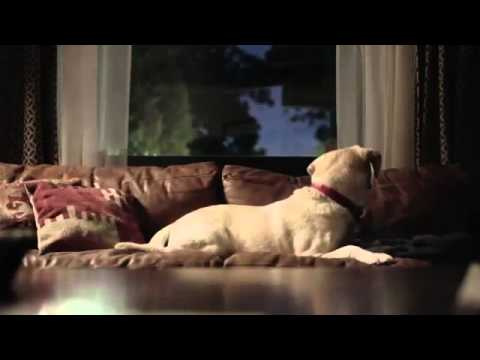
The ad employs a classic Setup-Turn-Payoff structure. The Setup (0:00-0:21) is a masterfully crafted montage of a man and his Labrador puppy growing into best friends. Accompanied by a gentle, heartfelt song, this section builds a powerful emotional foundation. We are invested in this relationship. The Turn (0:21-0:35) occurs when the owner leaves for a night out with friends and a case of Budweiser. The music shifts, the lighting darkens, and the dog's patient wait turns to anxious longing. This section builds a quiet, creeping dread in the viewer. The silence and the dog's whimpering are more powerful than any loud crash could be. The Payoff (0:35-1:01) is a brilliant piece of misdirection. The on-screen text, "For some, the waiting never ended," is a gut punch, leading the audience to assume the worst. We feel the dog's potential loss. When the owner walks through the door, safe, the sense of relief is immense. His explanation—"I decided I shouldn't drive home last night"—delivers the campaign's entire message. The final tagline, "Make a plan to make it home. Your friends are counting on you," lands with incredible weight because we've just vicariously lived the alternative.
The strategic decision to make this a story about a dog is critical. A dog's love is unconditional, and their reliance on their owner is absolute. This creates a pure, uncomplicated emotional stake. By making the dog the 'friend' who is waiting, Budweiser avoids the complexities of human relationships and delivers a purer, more potent emotional message. The team learned that you don't need to lecture your audience to change their behavior. By telling a compelling story and making the responsible choice the heroic resolution, Budweiser built immense goodwill and created one of the most effective and shareable PSAs in recent memory. [1]
Theme Keywords
Brand Position
Budweiser is the classic, dependable American beer brand that cares about the well-being of its customers and the people who love them.
Brand Archetype
Caregiver
Creative Game Plan
Show the devastating emotional consequence of drunk driving not through the eyes of the driver, but through the loyal, loving eyes of his dog who waits for him to come home.
Diagnosis: Issues & Solutions
Primary Issue: Strategic Sense
The Problem:
The Budweiser branding is so subtle that it risks being forgotten. The ad is remembered as 'that sad puppy PSA about drunk driving,' but the brand sponsoring the message can get lost, diminishing the strategic return on a significant creative investment.
The Solution:
To improve brand recall without disrupting the narrative, integrate the brand more organically in the opening montage. A shot of the owner wearing a vintage Budweiser t-shirt or having a classic Budweiser sign in his apartment would create a subtle link early on, reinforcing the brand association at the end.
Secondary Issue: Clarity of "What's Next?"
The Problem:
The call to action, while emotionally resonant, is purely behavioral. The hashtag #FriendsAreWaiting encourages conversation but doesn't provide a tangible tool to facilitate the desired action, which was a missed opportunity in the nascent age of the app economy.
The Solution:
Pair the emotional appeal with a functional solution. A simple partnership with a taxi service or an early ride-sharing app, offering a discount code tied to the campaign, would have transformed a passive message into an active, life-saving tool.
Additional Notes
Related Links
Credits
Share this Analysis
More Budweiser ad breakdowns
- Let It PourBudweiser
- Budweiser: Super Bowl LX Teaser 'Stable'Budweiser
- Choose Yellow – Yellow DoorPacifico
- INTRODUCING THE PATRICK PLUNGE from COORS LIGHTCoors Light
- The Best Things Come To The Curious | Carlsberg TV Ad Campaign | Creative Advertising Agency | Fold7Carlsberg
- Take FlightYuengling
- International Beer Day: Cheers to Bars 🍻Anheuser-Busch
- Sapporo Premium Beer | Return the FavourSapporo