Brazilian Creative Club (Clube de Criação) - Anger (Raiva) - Ad Analysis

AI Editor notes
Straight from the gut!!
“This is pure 'inside baseball' for the ad industry, and it's brilliant. It's not for a client or the public; it's a cathartic scream into the void for every creative who's seen a good idea get butchered by a thousand cuts. The insight is so sharp it hurts. Watching a head get turned into ramen noodles because the client wants something 'safer' feels hilariously, painfully true. This is how you get a cynical audience to pay attention: you show them you understand their pain.”
Quick Summary
This film perfectly captures the soul-crushing frustration of the creative process and reframes it as a necessary evil. It tells its hyper-specific audience of advertising professionals that the anger they feel from bad briefs and timid feedback is the very fuel required to produce work so good, it makes everyone else mad with envy. The reward for that pain isn't just a great idea; it's a coveted gold star from the Brazilian Creative Club.
Executive Summary
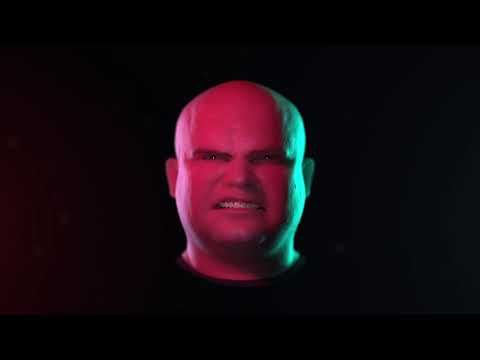
This film from FCB Brasil for the Brazilian Creative Club is not just an ad; it's a thesis on the nature of creativity itself, packaged as a surrealist fever dream. It operates on a simple, powerful insight: great work is born from great frustration. The 'anger' in the title isn't just a theme; it's the raw material. The ad argues that the maddening, illogical, and often painful process of client feedback and internal revisions is a crucible that forges award-winning ideas. The film is aimed squarely at a niche audience of advertising professionals, using their shared language and pain points as the foundation for its narrative. The execution is a masterclass in visual metaphor. We don't just hear about bad feedback; we see its visceral effect. A request to 'cut the copy' results in the creative's head being sliced like an orange. The classic 'it's been done' comment makes his eyes pop out. This isn't just animation for its own sake; every bizarre transformation is a direct, tangible representation of an abstract professional frustration. The sound design supports this perfectly, with a relentless, glitchy electronic score that mirrors the mounting anxiety of the creative. The narrative follows a classic emotional arc: from frustration to reward. The first 60 seconds are a descent into the hell of the creative process, a montage of suffering familiar to anyone in the field. The turning point is the line, 'You get really mad... until you get an idea that makes people go mad.' Here, the film pivots. The anger is transformed from a destructive force into a creative one. The sweaty, exhausted head doesn't explode; it is reborn as a shining gold star—the physical embodiment of the award, and the ultimate validation. In the end, the team should learn that the most powerful way to connect with a niche audience is to reflect their world back to them with unflinching, humorous honesty. This ad succeeds because it doesn't talk down to its audience or try to sell them something. Instead, it offers a moment of catharsis and a shared understanding, making the brand that offers it (the Creative Club) feel less like an institution and more like a confidante.
Theme Keywords
Brand Position
The ultimate validation for the arduous creative journey.
Brand Archetype
Jester
Creative Game Plan
Visually manifest the internal torture of the creative process to celebrate the award-winning ideas that make the pain worthwhile.
Diagnosis: Issues & Solutions
Primary Issue: Clarity of "What's Next?"
The Problem:
The film excels at building emotional desire but is less effective at providing a clear, immediate action. The call-to-action—the details of the awards ceremony—appears on a static card at the very end, feeling disconnected from the powerful creative journey that preceded it.
The Solution:
Integrate the call-to-action more organically into the narrative. For instance, the deadline date could have appeared momentarily within the chaotic visuals, or the final award could have morphed into a 'Submit Now' button, bridging the gap between inspiration and action.
Secondary Issue: Emotional Connection
The Problem:
The film's strength is also its limitation. Its reliance on industry-specific inside jokes and shared pain makes it profoundly resonant for creatives but utterly incomprehensible and alienating to anyone outside that bubble. This is a strategic choice, not a flaw, but it limits the asset's use.
The Solution:
For a broader audience (e.g., to explain the value of creativity to clients), a version could be created with a slightly modified VO that explains the 'why' behind the creative struggle, turning an internal rallying cry into an external piece of advocacy.