Big Red Backwash Can - Ad Analysis

AI Editor notes
Straight from the gut!!
“This has '2013 YouTube sketch' written all over it. The core idea is funny and relatable, but the execution feels a little clunky and stretched. It's trying to capture that early Dollar Shave Club or Old Spice viral magic, but it doesn't quite have the same sharp writing or pacing. It’s a solid, charming effort for what was likely a small budget, but it lives and dies as a one-note joke.”
Quick Summary
This is a textbook 2013-era digital ad that uses a low-budget, high-concept parody to solve a relatable social problem—the fear of backwash. By inventing a fake, over-engineered product, Big Red injects humor and personality into its brand, making a niche soda feel self-aware and shareable for a younger, online audience without a big media spend.
Executive Summary
Big Red’s “Backwash Can” is a product of its time, a mid-budget digital short that leans heavily into the viral marketing playbook of the early 2010s. The strategy is straightforward: find a small, universal human truth and build an absurd, humorous solution around it to showcase brand personality. For Big Red, a niche soda with a cult following, this approach is a smart way to compete for attention against beverage giants without a massive budget.
The Core Insight here is that while sharing is caring, nobody wants the germs that come with it. The minor social awkwardness around sharing a drink and the unspoken fear of 'backwash' is a highly relatable, if trivial, problem. By acknowledging this, Big Red shows it understands the small anxieties of its target audience—young people at social gatherings.
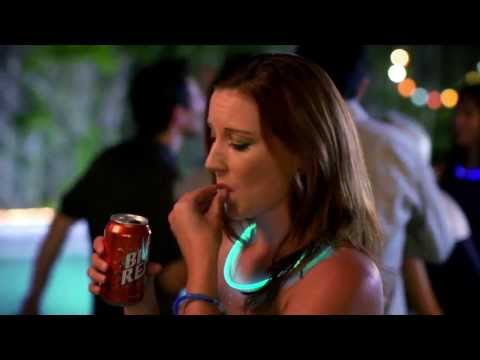
The Execution follows a classic Problem-Solution format, twisted into a parody. The Setup establishes the scene: a lively house party where sharing a Big Red is part of the social fabric. The Problem is introduced immediately through dialogue when one character hesitates to take a sip, voicing the 'backwash' concern. The Turn is the reveal of the fantastical solution: the 'Big Red Backwash Can,' a comically over-the-top gadget with sensors and a 'bilge pump.' The Payoff is the demonstration—the can detects the backwash and humorously sprays another partygoer, resolving the initial tension and getting a laugh. The ad wraps with a product shot and the tagline, 'Deliciously Different,' which perfectly frames the entire quirky exercise.
The Debrief for the team that made this would be positive but with clear lessons. First, humor rooted in a relatable insight is a powerful tool for a challenger brand. It creates an 'in-joke' with the audience. Second, you don't need a real product to make a point; a fake one can sometimes do a better job of communicating your brand's character. However, the campaign's weakness is its lack of a compelling next step. For a video designed to live on social media, simply ending on a tagline feels like a missed opportunity to deepen engagement through a stronger call to action.
Theme Keywords
Brand Position
The uniquely flavored soda for those who embrace being 'deliciously different.'
Brand Archetype
The Jester: Playful, humorous, and a bit of an oddball.
Creative Game Plan
We'll show we're a fun, 'different' brand by inventing an absurdly technical solution to the common, low-stakes problem of backwash.
Diagnosis: Issues & Solutions
Primary Issue: Clarity of "What's Next?"
The Problem:
The single biggest missed opportunity is the complete lack of a call to action. After establishing a fun, shareable concept, the ad just ends. It doesn't invite viewers to share their own 'backwash' stories, use a hashtag, or even follow the brand's social channels.
The Solution:
Add a simple end card prompting action. A line like 'Share with a friend (hygienically). #BackwashCan' or 'Follow @DrinkBigRed for more deliciously different ideas' would have provided a clear path for engagement and extended the campaign's life.
Secondary Issue: Strategic Sense
The Problem:
The creative concept, while funny, feels derivative of the 'viral ad' trend popularized by brands like Old Spice and Dollar Shave Club years prior. By 2013, the 'invent a wacky product' gag was a well-worn trope, which risks making the brand seem like a follower rather than an originator.
The Solution:
To feel more original, the concept could have been pushed into an even more self-aware direction. For example, the characters could have acknowledged they were in a silly ad, or the ad could have spoofed the tropes of other viral videos more directly, adding another layer to the humor.